


Psychedelic Rock roundup
The Best Psychedelic Rock Artists to Know
There's no single centre of this genre. Here are the essential artists, grouped by the scene and sound each one actually belongs to.
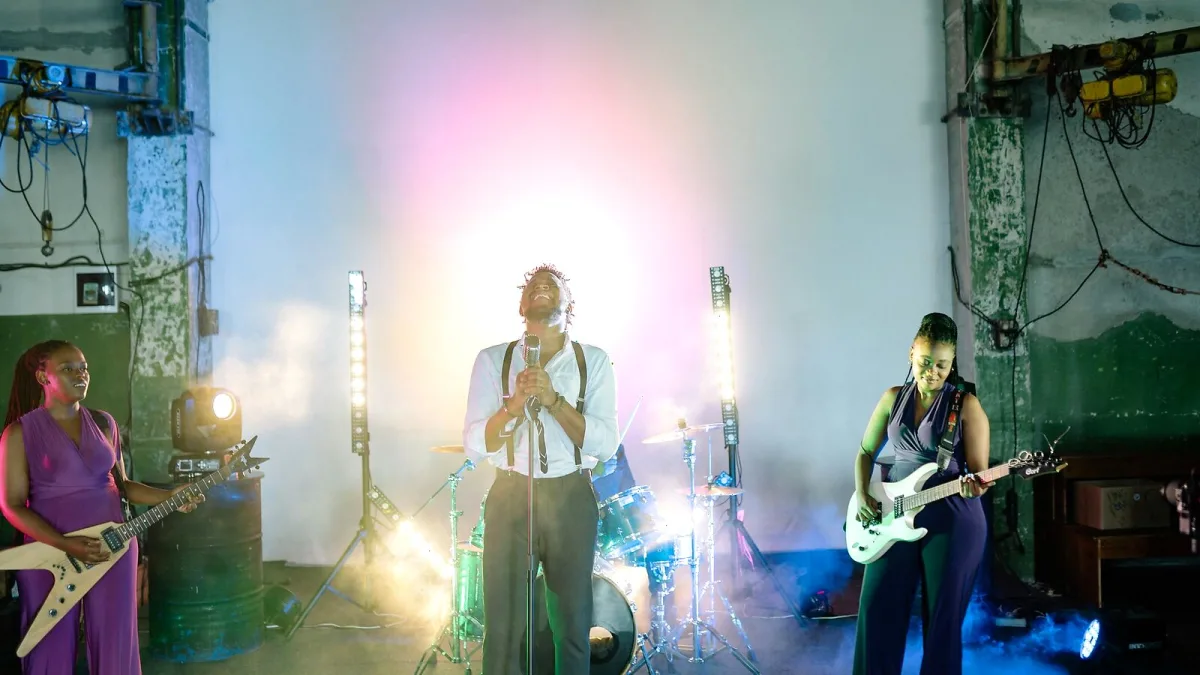
Right, forget trying to learn this genre chronologically — the quickest way in is scene by scene, because psychedelic rock never had one centre. It had several, all experimenting in their own direction at once. Here are the names worth actually knowing, grouped by where they came from and what they were reaching for.
British Psychedelia: The Studio Obsessives
London's scene leaned hard into the recording studio itself as an instrument — tape effects, ornate arrangements, unusual keyboard textures.
- The Beatles — tape loops, reversed sounds and dense production, especially on Sgt. Pepper's Lonely Hearts Club Band
- Pink Floyd — surreal, exploratory songwriting from their earliest work onward
- Cream — a heavier, blues-rooted take, built on extended instrumental interplay
- The Pretty Things — a rawer, garage-adjacent corner of the same scene
San Francisco: The Improvisers
The American West Coast scene kept its roots in blues and folk, but treated live improvisation as the whole point.
- Jefferson Airplane — one of the defining voices of San Francisco counterculture
- Grateful Dead — collective, open-ended improvisation as a genuine identity, not just a jam session
- Big Brother and the Holding Company — raw, blues-powered psychedelia from the same clubs and ballrooms
- Quicksilver Messenger Service — another key voice from the same scene, less commercially remembered but just as central to it
Acid Rock: Turn It Up
Running alongside both scenes, a harder, louder, blues-based strand — the labels "acid rock" and this genre overlap so much that critics use them inconsistently even now.
- Jimi Hendrix Experience — feedback, fuzz and wah-wah pushed further than almost anyone before or since
- Blue Cheer — volume and distortion as the entire statement
- Early Steppenwolf — a heavier bridge between blues rock and the acid-rock strand
Psychedelic Soul and Funk
The genre's tools — fuzz, drone, extended form, studio experimentation — weren't confined to guitar bands.
- Sly and the Family Stone — psychedelic textures folded into funk and soul songwriting
- Funkadelic — one of the most fully committed fusions of the genre and funk on record
Later Revivals: The Toolkit Keeps Getting Picked Up
Psychedelic rock's first commercial wave faded around 1970, but plenty of artists have kept reviving and reworking its ideas since. If you want the full arc of how that happened, our history of the genre lays it out properly — but the short version starts here:
- Hawkwind — pushed the sound toward space rock, all repetition and electronics
- The Soft Machine — a jazzier, more exploratory corner of the same era
- Spacemen 3 — minimalist drones and repetition that fed directly into shoegaze and later space rock
- Tame Impala — modern, studio-built neo-psychedelia
- King Gizzard & the Lizard Wizard — genre-blending psychedelic rock woven through with garage, metal and prog
Where to Actually Start With Psychedelic Rock
With this many names, the record itself matters as much as the artist — our essential albums guide pairs almost every artist above with the one release that explains them best, which is a far better use of an evening than trying to work through an entire back catalogue cold.
The Bottom Line
There's no single "correct" psychedelic rock artist to start with, because the genre never had a single centre of gravity. Pick a scene that matches your taste already — studio pop, blues jamming, heavier riffing, soul and funk, or the modern revival — and the rest of the map opens up from there.



Comments