


Psychedelic Rock article
Essential Psychedelic Rock Albums Explained
Records are where this genre actually lives. Here are the essential albums, and a straight explanation of what makes each one matter.
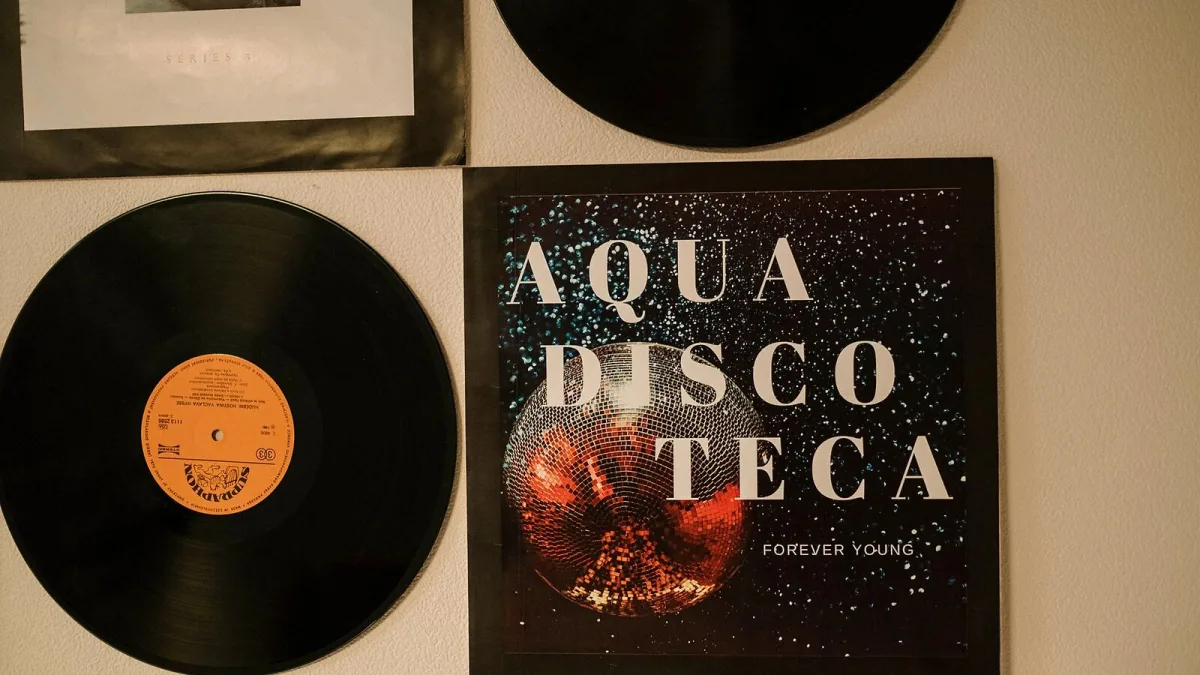
Artists matter, but records are where the genre actually lives — the specific choices made across forty minutes of tape that turned an idea into something you can put on and hear for yourself. These are the albums that explain psychedelic rock's main branches better than any amount of description could, with a note on what each one is actually doing.
The British Studio Records
| Album | Artist | Why it matters |
|---|---|---|
| Sgt. Pepper's Lonely Hearts Club Band | The Beatles | Tape loops, drones and studio manipulation folded into pop songwriting |
| The Piper at the Gates of Dawn | Pink Floyd | Surreal, exploratory British psychedelia at its most playful |
| Disraeli Gears | Cream | Blues-based psychedelia with heavy guitar tone and extended interplay |
All three come from the same city and roughly the same year, and sound almost nothing alike — a useful reminder that "British psychedelia" was never one sound.
The American Live Tradition
| Album | Artist | Why it matters |
|---|---|---|
| Surrealistic Pillow | Jefferson Airplane | San Francisco counterculture and psychedelic folk-rock, distilled into songs |
| Anthem of the Sun | Grateful Dead | Collective improvisation and open-ended form, built from live and studio takes combined |
If the scene these two came from interests you more than the individual records, our artists guide covers the wider San Francisco cast properly.
The Heavier End: Acid Rock
- Are You Experienced — Jimi Hendrix Experience. Feedback, fuzz, wah-wah and studio experimentation pushed further than almost any rock record before it.
- The Doors — The Doors. Organ-led atmosphere and modal tension, culminating in the sprawling "The End."
- The Psychedelic Sounds of the 13th Floor Elevators — 13th Floor Elevators. Early Texas psychedelia, built around electric-jug textures nobody else was using.
The Edges of the Canon
Not every essential record sits neatly inside "psychedelic rock" as a label. The Velvet Underground & Nico leans on drone, repetition, feedback and avant-garde influence more than any drug-culture aesthetic, and critics don't always file it under psychedelia at all — but its DNA runs through half the genre's later development regardless of the label.
Space Rock and the Later Revival
| Album | Artist | Why it matters |
|---|---|---|
| Space Ritual | Hawkwind | Repetition, electronics and heavy live psychedelic performance |
| The Perfect Prescription | Spacemen 3 | Minimalist drone and repetition, hugely influential on later shoegaze |
| Innerspeaker / Lonerism | Tame Impala | Modern, studio-built neo-psychedelia |
| I'm in Your Mind Fuzz / Nonagon Infinity | King Gizzard & the Lizard Wizard | Contemporary psychedelic rock fused with garage, metal and looping structures |
Where to Start Your Psychedelic Rock Hour
Pick one from the British table and one from the American table, back to back — the contrast tells you more about the genre's range than any single record could on its own. Genuinely new to all this? Our newcomer's guide lays out a gentler, more structured first playlist than a straight list of albums can.
A Word on "Essential"
These records are widely used entry points and turn up again and again in genre writing, but no single universally agreed canon exists — treat this as a strong, well-tested starting list rather than a definitive ranking. The point isn't ticking boxes; it's hearing how differently "psychedelic" could sound depending on who was making the record.




Comments