


Psychedelic Rock article
A Beginner's Guide to Psychedelic Rock
Forget the lava-lamp reputation — here's what psychedelic rock actually sounds like, and why, once you know what to listen for.
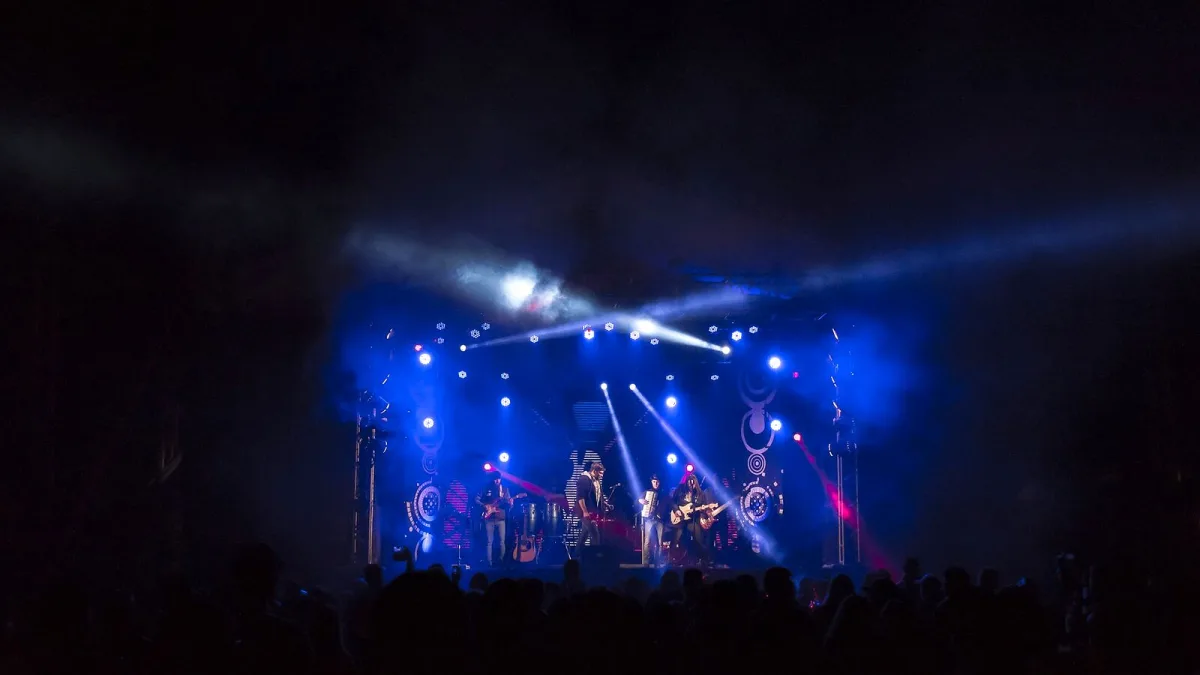
Right, let's cut through the mythology. Psychedelic rock gets talked about like it's all lava lamps and one specific drug, and that's doing it a disservice. It's actually one of the most sonically inventive movements rock ever produced, and once you know what to listen for, you'll hear it everywhere from 1966 to your Spotify recommendations this week. Here's your way in.
What Actually Makes a Track Psychedelic?
Forget any single mandatory ingredient — psychedelic rock is built from a cluster of features, and a track might only use a few of them at once:
- Repetition and hypnosis — a riff or drum pattern that just keeps going, well past where a normal pop song would move on
- Drones — a sustained note or tonal centre standing in for frequent chord changes
- Modal harmony — sitting on one scale rather than following a standard chord progression
- Unstable timbre — feedback, fuzz, phasing and reverb used as part of the composition, not just decoration
- Expanded form — songs that develop through jams, breakdowns and gradual layering instead of verse-chorus-verse
- Studio intervention — reversed tape, unusual panning, loops and odd edits you can actually hear
- Surreal vocals — doubled, drenched in reverb, filtered, or buried oddly far back in the mix
None of these are compulsory. That's genuinely part of the appeal — the genre is a toolkit, not a rulebook.
Where It Came From, in Brief
It took shape in the mid-1960s, as rock musicians started pushing past the concise pop song format — longer performances, louder amplification, stranger instrumentation, more studio experimentation. It grew alongside countercultural art, light shows and a wider fascination with altered states, though reducing it purely to "drug music" misses the recording-technology side of the story just as much as the culture.
Two Branches Worth Knowing Apart
| Branch | Tendency | Key names |
|---|---|---|
| British psychedelia | Studio experimentation, ornate arrangements, unusual keyboard colours | The Beatles, Pink Floyd, Cream |
| San Francisco psychedelia | Blues and folk roots, extended live improvisation | Jefferson Airplane, Grateful Dead |
The distinction is useful, not absolute — British bands improvised too, and American bands loved the studio just as much. For the artists worth knowing across both scenes, our guide to the genre's essential artists goes much deeper.
The Toolkit: Effects and Instruments
Reach for these sounds and you're squarely in psychedelic territory: fuzz, wah-wah, phasing, flanging, tremolo, tape echo and heavy reverb on the guitar side; sitar, tambura, tabla and Mellotron for the less conventional textures; and a general willingness to treat the recording studio itself as an instrument, rather than a neutral place to capture a performance.
Don't Mix These Up
| Term | How it differs |
|---|---|
| Acid rock | Heavier, louder, more blues-based; heavily overlapping usage |
| Space rock | Leans into cosmic themes, drone and expansive electronic textures |
| Neo-psychedelia | Later artists reviving the approach without recreating the 1960s exactly |
| Psychedelic pop | The same effects, folded into concise, melodic pop songwriting |
If those distinctions interest you, our subgenres guide breaks each one down properly.
The Bottom Line
Psychedelic rock isn't a costume or a decade — it's a set of tools musicians have kept reaching for since the mid-1960s because they still do something no other approach quite manages: stretch time, blur edges and make a three-minute song feel much bigger than it is. Once you can hear the drone, the fuzz and the studio trickery for what they are, the genre opens right up. Ready to actually press play? Our newcomer's starting guide and our full history are the two natural next stops.




Comments