


Pop Music article
Pop Music Subgenres, Explained
Pop isn't one sound. Here's what genuinely separates synth-pop, dance-pop, K-pop and the rest, without the usual waffle.
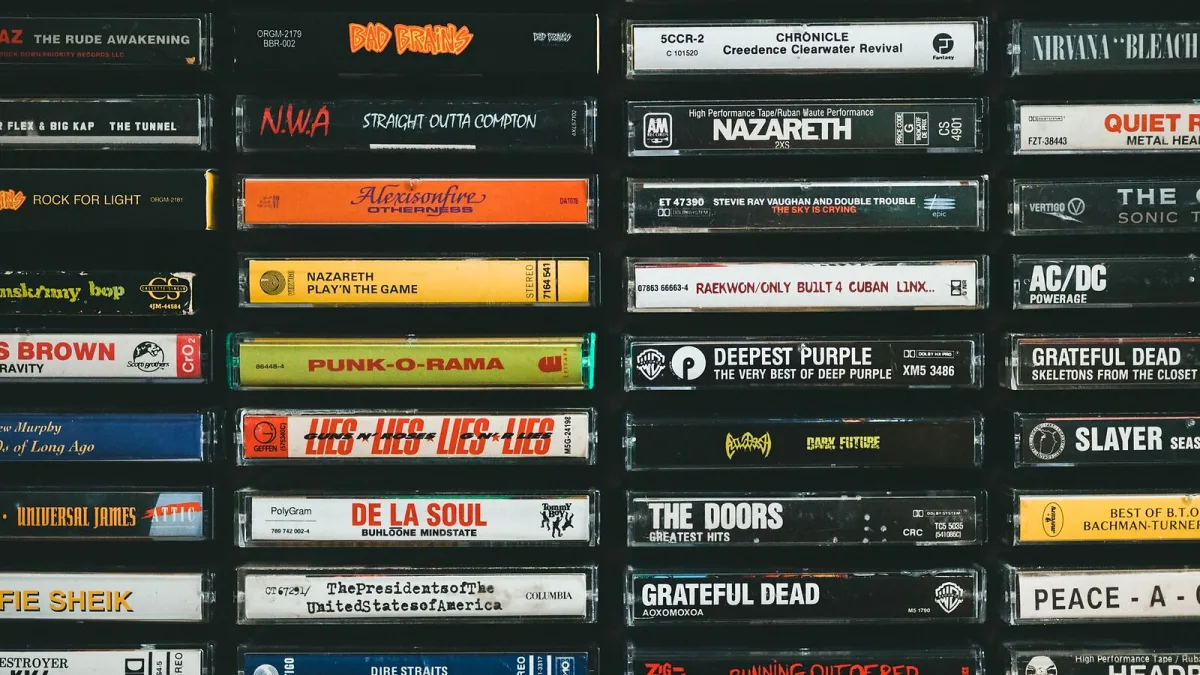
"Pop" — short for pop music — gets used as a catch-all for anything catchy and mainstream, and that's fair enough as far as it goes, but it hides a lot of genuinely different sounds underneath one label. If you've ever wondered what actually separates synth-pop from dance-pop, or why K-pop gets its own category entirely, here's the breakdown without the waffle.
Synth-Pop: Where the Keyboard Does the Talking
Synth-pop leans on synthesisers and drum machines rather than guitars and live drums as its main instrumental voice, a shift that took hold properly in the early 1980s as digital instruments became affordable and reliable enough for mainstream records. New Order and Depeche Mode are among the acts most closely tied to this sound, using electronic textures to carry melodies that guitar bands would otherwise have handled.
Dance-Pop: Built for the Floor First
Dance-pop treats the beat and the groove as co-leads alongside the vocal rather than a backdrop to it, prioritising a strong, repeatable rhythm you can actually move to. Madonna, Kylie Minogue and Pet Shop Boys are the names most associated with proving this could also mean genuine pop songwriting rather than functional club filler.
Electropop: The More Clinical Cousin
Electropop shares synth-pop's electronic backbone but tends toward sharper, more processed and sometimes deliberately colder production choices, often pulling more directly from electronic dance music's toolkit than from 1980s new wave. It's less about warm nostalgia and more about precision — tight sound design doing the emotional work that a guitar riff might do elsewhere.
Teen Pop: Built Around a Specific Audience
Teen pop isn't defined by a particular sound so much as a target audience and a commercial strategy built around it — polished, accessible songs paired with careful artist development aimed squarely at a young fanbase. It's less a genre with fixed sonic rules and more a marketing category that happens to produce a recognisable style: bright, uncomplicated and built to work on the radio formats that reach teenagers.
Power Pop: Guitars Doing Pop's Job
Power pop keeps pop's melodic instincts and hook-first songwriting but delivers them through a rock band's instrumentation — guitars, bass and drums played with real energy, rather than synthesisers or programmed beats. It's the subgenre that proves "pop" was never really about a specific set of instruments; it's about the songwriting priorities underneath whatever's playing them.
Art Pop: Ambition Over Accessibility
Art pop keeps pop's structural conventions — verses, choruses, hooks — but pushes the production, concept or lyrical content somewhere more experimental or ambitious than straightforward chart pop usually goes. It's proof that pop's basic architecture is sturdy enough to carry genuinely unconventional ideas without collapsing under them.
Indie Pop: Pop's DIY Relative
Indie pop takes pop's melodic, hook-driven approach and runs it through independent production values and a rougher, less studio-polished sensibility, usually released outside the major-label system. The songwriting instincts are the same as any other pop subgenre; what's different is the budget, the polish level, and often the attitude behind both.
K-Pop: A Whole System, Not Just a Sound
K-pop refers to pop music produced within South Korea's specific industry system, one built around intensive artist training, tightly choreographed visual presentation and genre-blending production that freely borrows from hip-hop, EDM, R&B and Western pop songwriting. BTS is the clearest example of this system reaching genuinely global pop audiences, proving language was never the barrier some assumed it to be.
| Subgenre | What defines it | Associated acts |
|---|---|---|
| Synth-pop | Synthesisers and drum machines as the lead instrumental voice | New Order, Depeche Mode |
| Dance-pop | Beat and groove treated as co-leads with the vocal | Madonna, Kylie Minogue, Pet Shop Boys |
| Teen pop | Defined by target audience and artist development strategy | Late-1990s and 2000s youth-market pop |
| Power pop | Pop hooks delivered through rock-band instrumentation | Guitar-led hook-first bands |
| K-pop | South Korea's specific industry system and production model | BTS |
Why Bother Knowing the Difference
None of this is trivia for its own sake. Knowing whether you actually like dance-pop's rhythm-first approach or power pop's guitar energy makes it far easier to find more of what you're after, rather than wading through everything filed loosely under "pop" hoping something sticks. If you want the fuller picture of how these strands emerged over time, our history of pop music traces the decades that produced each one.
Putting Names to Each Sound
Every subgenre here has real artists attached to it worth hearing directly rather than taking my word for it — our guide to pop's essential artists goes deeper into the names mentioned above, and our essential pop albums guide picks out full records to actually sit down with.
The Bottom Line
"Pop" was never one sound, and it's not supposed to be. It's a set of songwriting priorities — melody, hook, structure — that gets dressed up in whatever instrumentation, production style or industry model happens to fit the moment. Learn the subgenres and the whole landscape stops looking like one giant, undifferentiated blob.





Comments