


Pop Music article
Essential Pop Music Albums Explained
Singles get you a hit; albums prove an artist can sustain an idea for forty minutes. Here are the pop albums genuinely worth hearing in full.
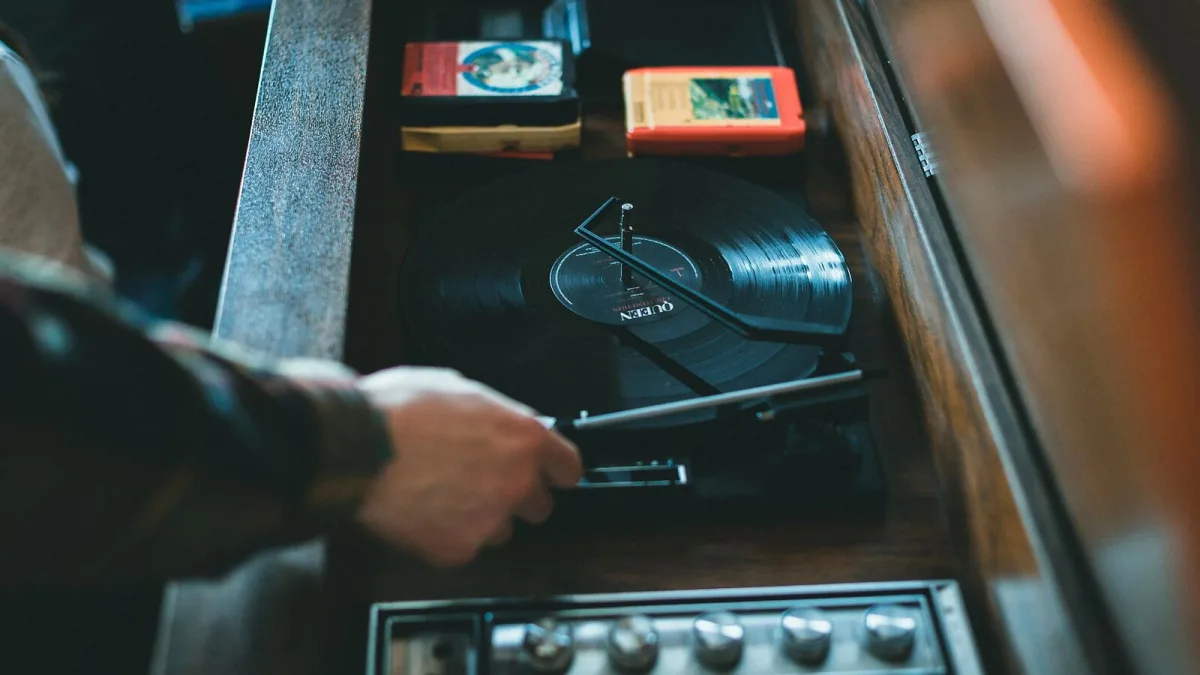
Singles get you a hit. Albums are where an artist actually has to prove they can sustain an idea across forty-odd minutes, and a handful of pop records have done that so completely they've become reference points for everyone who came after. These are the albums worth hearing start to finish, not just streaming the singles from.
What Actually Makes a Pop Album "Essential"
It's not just sales figures, though the biggest ones certainly moved a lot of units. What separates a genuinely essential pop album from a collection of decent songs is consistency of craft — strong writing and production carried all the way through, not front-loaded onto the singles — and a sense that the record actually shaped what pop sounded like afterwards. A few tracks are never enough on their own to earn that reputation.
Michael Jackson — Thriller (1982)
It's hard to overstate how thoroughly this record set the template for the modern blockbuster pop album: a run of singles strong enough that almost every track could have been a hit on its own, tied together by production that still sounds sharp decades later. It's the album most commonly cited when people talk about pop reaching genuine mass-culture status.
Madonna — Like a Virgin (1984)
Madonna's second album is where dance-pop, sharp songwriting and deliberate visual reinvention properly fused into a single package. It's a genuinely important reference point for the idea that a pop artist's image and sound could be one coherent statement rather than two separate things.
Whitney Houston — Whitney Houston (1985)
Her self-titled debut brought a genuinely rare level of vocal technique into the pop mainstream and proved it could sit comfortably alongside pure pop songwriting rather than being confined to R&B. It's the record that set the bar every subsequent pop vocalist has been measured against, whether they intended to be or not.
Amy Winehouse — Back to Black (2006)
This is a record that pulled soul and pop songwriting together with total conviction, and it's stayed influential precisely because it never feels like a pastiche of older styles — it sounds like its own thing. It's a good reminder that "essential" doesn't require the biggest sales figures, just work that genuinely changed what came after it.
Taylor Swift — 1989 (2014)
This album marks Taylor Swift's full move from country into pure pop songwriting, and it's stuck around as a genuine reference point for how a singer-songwriter's voice and perspective can survive a complete genre change intact. The writing carries the same personal specificity as her earlier country records, just dressed in synth-pop production.
Beyoncé — Lemonade (2016)
Rather than a straightforward pop record, this is a visual album that pulls in R&B, rock, country and more while never losing its pop songwriting backbone. It's essential listening for understanding how far a mainstream pop artist can push conceptual ambition without losing the audience that made them a star in the first place.
| Album | Artist | Year | Why it matters |
|---|---|---|---|
| Thriller | Michael Jackson | 1982 | Set the template for the blockbuster pop album |
| Like a Virgin | Madonna | 1984 | Fused dance-pop songwriting with visual reinvention |
| Whitney Houston | Whitney Houston | 1985 | Brought elite vocal technique into pure pop |
| Back to Black | Amy Winehouse | 2006 | Fused soul and pop with total conviction |
| 1989 | Taylor Swift | 2014 | A singer-songwriter's full move into pop |
| Lemonade | Beyoncé | 2016 | Conceptual ambition without losing the mainstream |
How to Actually Listen to These
Play them front to back, ideally without skipping to the singles you already know. What makes each of these records essential is exactly the connective tissue between the hits — the arrangement choices, the sequencing, the songs that never got a single release but do just as much work. Our beginner's guide to pop music explains the song structure and production techniques you'll hear at work across every one of these albums.
Putting Names to the Sound
Every record here comes from an artist worth knowing on their own terms, and our guide to pop's most important artists covers the wider context each of them came from. If you want a sense of how the genre got to the point where these albums could exist at all, our history of pop music traces that thread decade by decade.
The Bottom Line
None of these six albums sound alike, and that's rather the point — each one redefined what a pop record could do for its own moment, and each still holds up as a complete, front-to-back listen rather than a delivery system for two or three hit singles. That's the actual test of an essential pop album, and it's a smaller club than the sales charts alone would suggest.




Comments