


Symphonic Metal article
Symphonic Metal Subgenres, Explained
The genre divides into several distinct subgenres based on tempo, tonal character and compositional emphasis — understanding the differences helps you find the variant that suits your preferences.
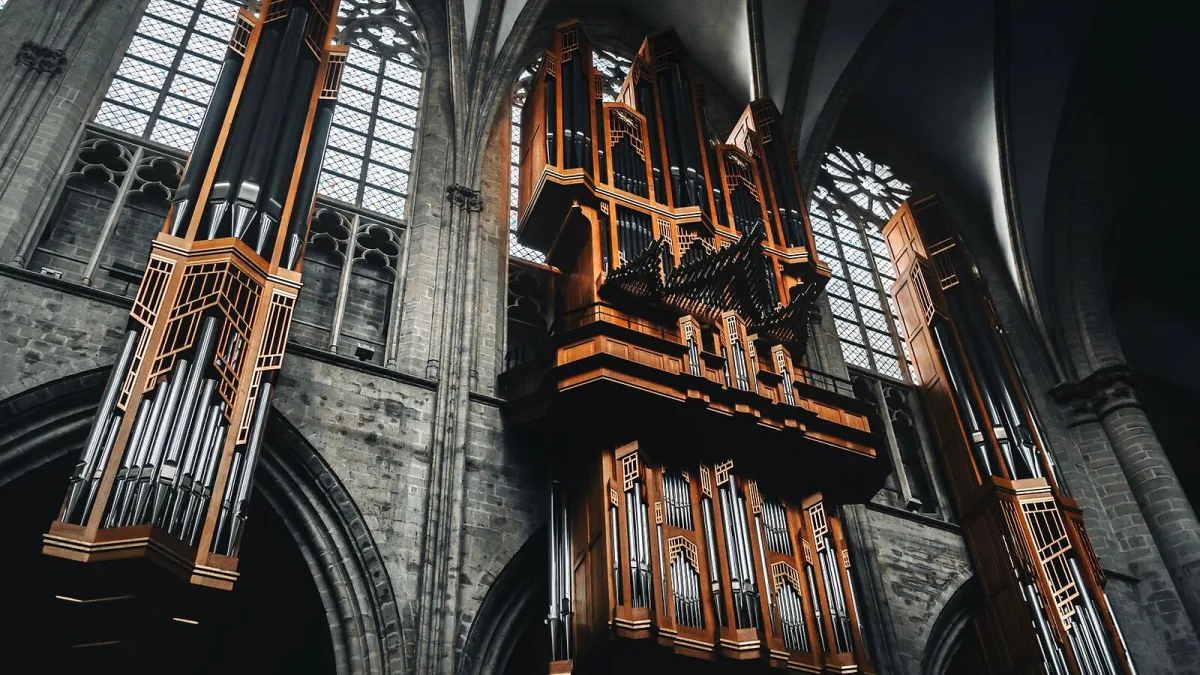
Symphonic metal has diversified significantly since its commercial emergence in the late 1990s, producing several distinct subgenres that emphasise different elements of the core formula. Understanding these divisions helps listeners navigate the genre and find the subset that best suits their preferences.
Gothic and Dark Variants
Gothic variants emphasise dark, melancholic atmospheres over the more epic or triumphant character of mainstream symphonic metal. Within Temptation's early work — particularly their debut album Enter — is the clearest example, alongside Lacuna Coil and early Theatre of Tragedy. The orchestral elements are typically more restrained, the mood more introspective, and the vocals more accessible than in the operatic core of the genre.
Speed and Power Variants
This faster variant combines the speed and technical guitar work of power metal with orchestral arrangements and operatic vocals. Rhapsody of Fire (originally Rhapsody) from Italy are the primary practitioners — their albums are structured around epic fantasy narratives with full orchestral scores, fast-tempo guitar solos and a theatrical, cinematic character. The tone is triumphant and heroic rather than dark or melancholic.
Progressive Symphonic Metal
This progressive approach places greater emphasis on compositional complexity, unconventional song structures and thematic depth. Epica's work from The Phantom Agony onwards represents this tendency — their albums explore philosophical and scientific themes through dense arrangements with extended passages and complex harmonic language. Arcturus and Unexpect are further examples of acts that push the genre toward more experimental territory.
Cinematic and Orchestral Metal
Some acts within symphonic metal place the orchestral elements so centrally that the metal foundation becomes secondary. Therion's later work, Two Steps from Hell's heavier material, and certain Apocalyptica recordings fall into this space — music that draws from film scoring and classical composition with metal instrumentation adding weight rather than defining the genre. This subgenre has grown significantly with the expansion of the gaming soundtrack and streaming trailer music markets.
How the Subgenres Relate
These categories are descriptive rather than rigid — many bands move between them across their career or blend elements from multiple subgenres within a single album. Nightwish, for instance, incorporates power, progressive and cinematic elements depending on the album and individual track. Within Temptation moved between gothic and mainstream approaches across their catalogue. The distinctions are useful for navigation, not for strict classification, and listeners will find that their preferences within the genre develop naturally with exposure.
For an overview of the genre, see the beginner's guide. For recommended listening, see where to start.



Comments