


Symphonic Metal article
Essential Symphonic Metal Albums Explained
A small number of albums define what the genre sounds like and why it matters — this guide explains the key recordings and what each one represents.
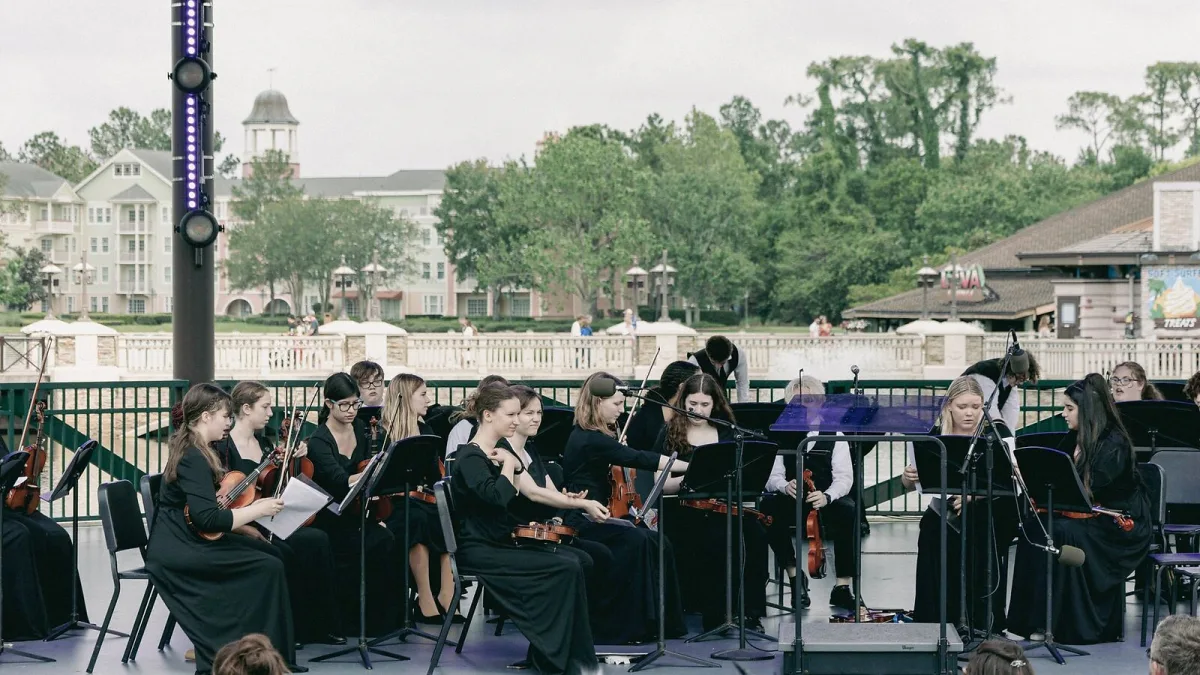
The essential albums of symphonic metal represent the genre's artistic peaks — recordings that defined the sound, reached the widest audiences and continue to be cited as foundational listening for anyone exploring the genre seriously. These are the albums that shaped what symphonic metal became.
Nightwish — Oceanborn (1998)
Oceanborn is the album that announced symphonic metal as a distinct and commercially viable genre. Nightwish's second studio album combined Tarja Turunen's operatic soprano, Tuomas Holopainen's keyboard arrangements and distorted guitar in a way that was both heavy and melodically sophisticated. Tracks such as Sacrament of Wilderness and Passion and the Opera established the template that the genre would develop over the following two decades. Its sound remains the reference point for what symphonic metal means at its most fully realised.
Within Temptation — The Silent Force (2004)
The Silent Force is the album that brought symphonic metal's more accessible wing to a large mainstream audience. Sharon den Adel's vocals and Robert Westerholt's songwriting produced a set of anthemic, orchestrally arranged songs that charted across Europe. Tracks such as Stand My Ground and Memories are among the genre's most widely recognised songs. It is an effective entry point for listeners coming to the genre from mainstream rock rather than from the metal end.
Epica — The Phantom Agony (2003)
The Phantom Agony is Epica's debut album, recorded after guitarist and founder Mark Jansen left After Forever to form a new band with a more progressive vision. The album introduced the orchestral and philosophical density that became Epica's signature. The combination of Simone Simons' classical soprano and heavy, technically demanding guitar work set Epica apart from the more accessible mainstream of the genre. It is essential listening for fans who want the more serious, progressive face of the genre.
Therion — Theli (1996)
Theli is the album that demonstrated sustained orchestral integration in metal was possible — a full choir, classical arrangements and metal instrumentation combined in a way that was serious rather than novelty. It predates the genre's commercial breakthrough but remains one of its most important recordings and an essential document for anyone interested in how the style developed.
Why These Albums Matter
Each of these recordings serves a different function for a new listener. Once and The Silent Force are the most accessible starting points — emotionally direct, melodically strong and requiring no prior familiarity with metal. The Phantom Agony is for listeners ready for a more demanding listen with greater compositional density. Theli is for those interested in the genre's historical origins rather than its mainstream form. Working through these albums in roughly this order gives a grounded understanding of the range the genre covers and what makes its best recordings significant.
For the best artists, see the best artists. For standout tracks, see the best songs.



Comments