


Symphonic Metal article
A Beginner's Guide to Symphonic Metal
Symphonic metal combines orchestral grandeur with heavy metal intensity — this guide explains the genre's core features, its major artists and why it connects with such a wide range of listeners.
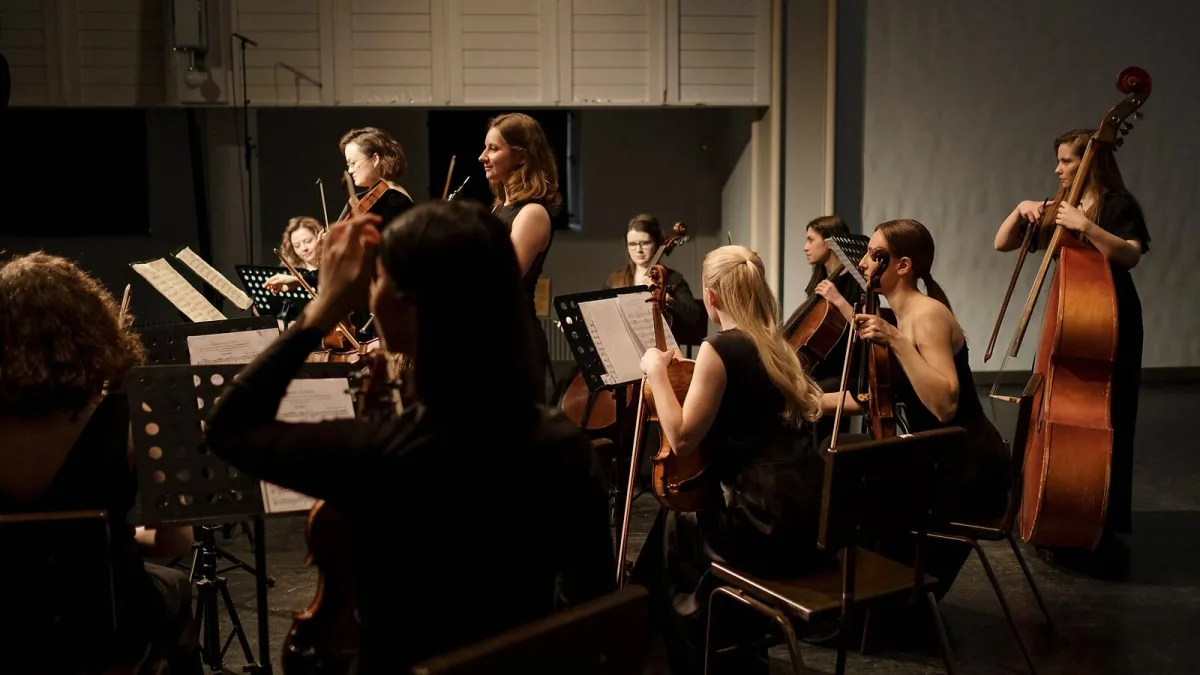
Symphonic metal is a subgenre of heavy metal that combines the power and intensity of metal with orchestral instrumentation, choral arrangements and operatic or classically trained vocals. The genre developed in Europe during the early 1990s and became commercially significant through the work of bands from Finland, Germany and the Netherlands in the late 1990s and 2000s. It is one of the most accessible entry points into heavy metal for listeners with a background in classical or theatrical music.
Core Characteristics
The defining features of symphonic metal are the integration of real or synthesised orchestral elements — strings, brass, woodwinds — with metal guitar work, double bass drumming and distorted riffs. Vocals in the genre are typically operatic or semi-operatic, performed by trained sopranos or mezzo-sopranos. Many bands in the genre use a dual vocal approach, pairing a female operatic lead with a harsh male vocalist — a format often called beauty and the beast. Choral sections, both live and sampled, are common features of the genre's arrangements.
Key Bands
Nightwish from Finland are the most internationally recognised band in the genre, with albums such as Oceanborn and Once defining the sound for many listeners. Within Temptation from the Netherlands and Epica, also Dutch, are major names. Evanescence brought elements of symphonic metal to mainstream audiences, though their classification within the genre is debated. Therion from Sweden is considered one of the genre's originators, having introduced sustained orchestral elements in their mid-1990s output.
Appeal and Audience
Symphonic metal draws listeners who find standard metal too abrasive but enjoy dramatic, emotionally intense music. The theatrical quality, the prominence of melody and the combination of acoustic and electric textures make it distinctive. It has a particularly strong following in Europe, especially in Scandinavia, Germany and the Benelux countries, where it sells consistently and supports regular arena-level touring by the major acts.
The Beauty and the Beast Format
Many bands in the genre use a dual vocal approach that pairs a female soprano lead with a harsh male vocalist — a structure often called beauty and the beast after the contrasting vocal textures involved. The male vocals are typically death metal or black metal rasps; the female vocals are operatic or semi-operatic. This contrast creates dramatic tension and allows bands to move between aggressive and melodic passages within a single song. After Forever, Epica, Nightwish on certain tracks and many other acts use this structure as a central compositional feature.
For the genre's history, see the history. For artists, see the best artists. For newcomers, see where to start.



Comments