


Bedroom Pop article
The History of Bedroom Pop
The DIY impulse has been there since the cassette era. The internet made it a genre. Here's the full history.
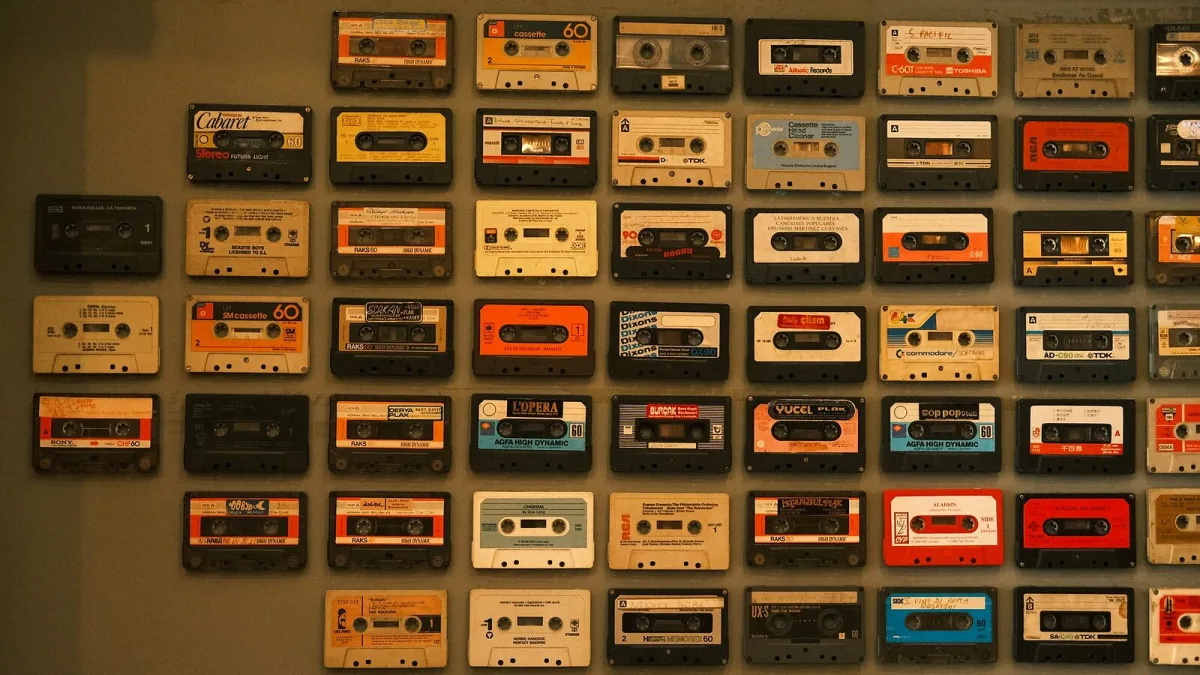
The story of bedroom pop doesn't start with laptops and streaming services. It starts decades earlier, with cassette machines and reels of tape and musicians who didn't have studio access and didn't wait around for it. The digital era made the format mainstream. The impulse to record music yourself, in a private space, with whatever tools you had — that's been there from the beginning.
Before the Laptop: The Cassette Era
R. Stevie Moore is as good a starting point as any. He was recording music in his parents' Tennessee basement in the late 1960s, working on reel-to-reel equipment with no label backing and no industry infrastructure. His 1976 album Phonography, made from recordings done since 1968, documented years of home experimenting. He released it himself and distributed it himself. The label "bedroom pop" didn't exist then, but the method was there.
The TEAC Portastudio, introduced in 1979, made multitrack home recording accessible to a much wider group of people. For the first time, a musician could record four separate tracks onto a compact cassette without a professional studio. Daniel Johnston used a Fisher-Price tape recorder. Guided by Voices recorded on four-track machines in garages. The technology was crude, but the spirit was the same: make the music yourself, on your terms, with whatever's available.
The 1990s: Lo-Fi Goes Mainstream
The 1990s is when DIY recording moved from cult territory into wider visibility. Beck's early work, Pavement's deliberately rough production, the low-budget indie recordings that defined a certain strain of American guitar music — these brought home-recording aesthetics into the mainstream conversation. Elliott Smith recorded some of his most important work at home or in spare-room studios, keeping the arrangements minimal and the production deliberately un-grand.
This era didn't use the term "bedroom pop." It used "lo-fi" and "indie" and "DIY." But the lineage is direct.
The Internet Changes Everything
The 2000s and early 2010s were when the specific contemporary form of bedroom pop became possible. Two things happened simultaneously: the tools got much better and much cheaper, and the internet provided distribution that didn't require a physical product or a label.
GarageBand shipped free with every Mac from 2004 onwards. USB microphones and basic audio interfaces dropped to accessible price points. A teenager in 2010 had access to better recording tools than a professional studio of twenty years earlier had possessed. And when they finished a song, they could put it on SoundCloud or YouTube and have people listening by the following morning.
The term "bedroom pop" began to circulate in music media around this time, used to describe an expanding cluster of artists — typically young, typically online-native — who were releasing self-produced music directly to internet audiences. Clairo's early videos, recorded and posted on social media, became among the most cited examples: lo-fi, intimate, casual in presentation, and gathering audiences of millions.
The 2010s: Mainstream Crossover
By the mid-2010s, the aesthetic that had defined the margins was influencing the mainstream. Artists like Rex Orange County, beabadoobee and girl in red built substantial audiences from the same low-overhead, direct-distribution model. Finneas O'Connell's production on Billie Eilish's debut album — recorded in his childhood bedroom in Los Angeles — won the Grammy for Album of the Year in 2020, which said something significant about how far home-production methods had come from their outsider origins.
Steve Lacy produced tracks on GarageBand on his phone before working with Kendrick Lamar. The tools hadn't changed; the ambitions had expanded.
After the Lockdown
The COVID-19 period in 2020 and 2021 further normalised home recording across the industry. When professional studios were unavailable and live venues were closed, home production wasn't a compromise — it was the only option. Artists who had previously worked in commercial studios adapted. The distinction between "bedroom" and "professional" production continued to blur.
For the names behind the movement, the artists guide covers the key figures. For the records that defined the genre, the albums guide is the place to start. And if you're new to the whole genre, the beginner's guide gives the full picture.




Comments