


Bedroom Pop article
A Beginner's Guide to Bedroom Pop
Self-produced, online-first and emotionally close — bedroom pop changed what it takes to make and distribute music. Here's what defines the genre.
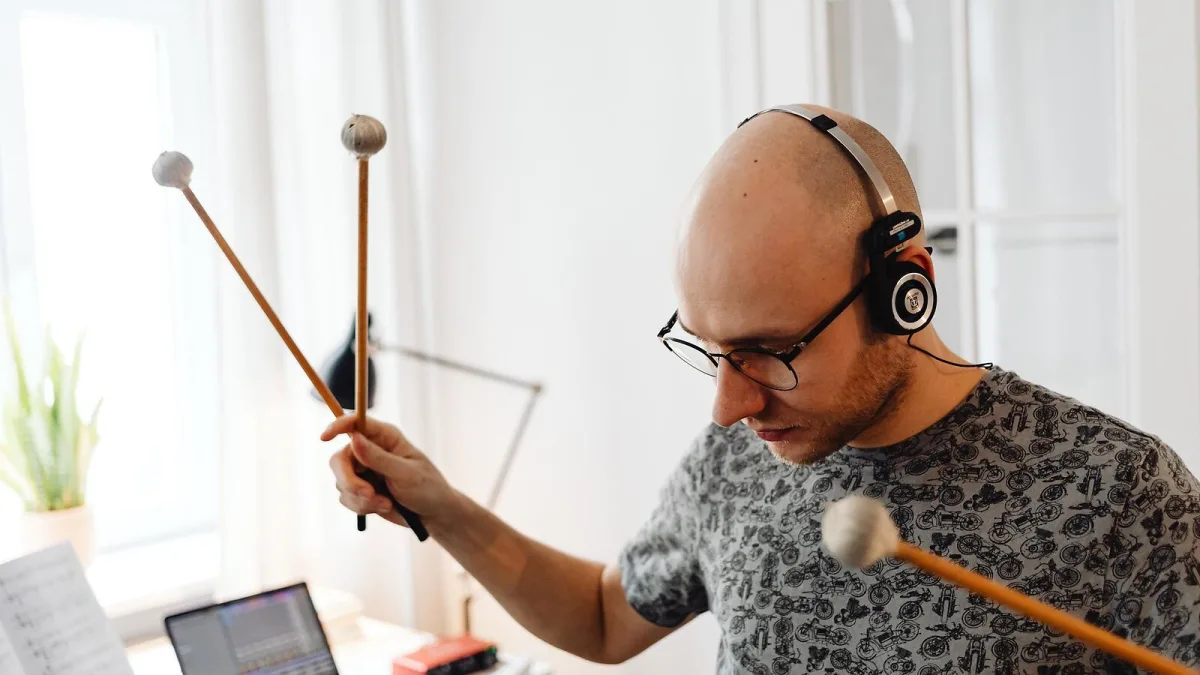
Bedroom pop is one of those music categories that explains itself the moment you hear the name — and then immediately complicates the explanation. It suggests something small, self-made and close, produced without the machinery of a commercial studio. That much is accurate. What it doesn't capture is how diverse that small, self-made thing can be: from the softest lo-fi recording made on a phone to a fully produced album that just happens to have been made in a spare room with a laptop and an audio interface.
What Defines the Genre
Bedroom pop is defined more by its production context and aesthetic than by a fixed set of sonic characteristics. The common threads are: recording done at home or in personal spaces rather than in commercial studios; direct online distribution rather than conventional label infrastructure; and an intimacy of presentation — quiet vocals, close miking, arrangements that don't try to fill a concert hall.
The sound varies considerably. Some recordings have a raw, lo-fi quality — audible tape hiss, room noise, the gentle imperfection of a recording made in a real space. Other examples are polished and clean, produced with professional DAW software and carefully mixed, but still carry the emotional closeness and minimal arrangement that the style implies. The lo-fi aesthetic is common but not compulsory.
Where It Came From
Home recording is older than this category as a marketing label. The conditions for the modern form came together in the 2010s, when affordable software — GarageBand, Ableton Live, FL Studio — and inexpensive audio interfaces made it possible for a teenager with a laptop to produce and release complete songs without a studio or a label. The internet provided distribution; social media provided audiences. Artists who would previously have needed industry gatekeepers to reach listeners could now reach them directly.
The result was a generation of artists who built audiences online before anyone had decided what to call what they were doing — and eventually, a name emerged and stuck.
Key Characteristics
- Intimacy: Close, often breathy vocals that feel like they're being sung directly to you rather than projected to a room.
- Minimal arrangement: Guitar, keys, programmed drums, layered vocals — rarely a full band in the traditional sense.
- Self-production: The artist writes, records and often mixes the music themselves.
- Online-first: Discovery tends to happen through streaming platforms, YouTube and social media rather than radio or physical release.
- DIY identity: The independent, handmade quality of the work is often part of the appeal, even when the final product sounds polished.
Who Makes It
The artists most associated with bedroom pop include Clairo, Rex Orange County, girl in red, beabadoobee and Cuco — all of whom broke through online with self-produced music before any major-label involvement. Finneas, as both solo artist and producer for Billie Eilish, is frequently cited as an example of how bedroom production methods can scale to commercial success without losing their essential intimacy. Steve Lacy built early parts of his career working on a phone-based DAW setup.
The list is not fixed. Bedroom pop is as much a methodology as a genre, and artists move in and out of its conventions over the course of their careers.
Why It Matters
What the genre changed was the economics and the aesthetics of pop production simultaneously. It made the barrier to entry low enough that anyone with an idea and a laptop could produce and release music at a quality level that streaming algorithms and listeners would take seriously. And it shifted what listeners found emotionally compelling — away from the polished bigness of major-label pop and toward something that sounded like it came from a real person in a real room.
To go deeper, the history of bedroom pop traces how the style developed. The artists guide is where to start if you want names and recommendations. And if you just want to hear the best of what the genre sounds like, the songs guide and the albums guide are good entry points.




Comments