


Salsa Music roundup
The Best Salsa Music Songs Right Now
Forget the artists for a minute — here's exactly what to listen for in salsa music, element by element.
Forget artists and albums for a minute. This is about the actual moving parts — the specific musical elements that show up again and again in salsa music, and exactly what to listen for so you can start picking them out for yourself.
Find the Clave First
Everything else in salsa music organises itself around a two-bar, five-stroke pattern called the clave, arranged as either "3-2" or "2-3." You won't always hear it played outright, but once you can feel where those two bars land, the rest of the arrangement starts making a lot more sense.
Listen Underneath: The Conga Pattern
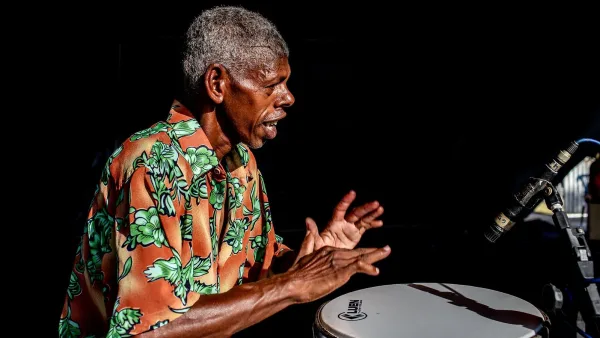
Beneath the horns and vocals sits a layered conga pattern doing most of the actual rhythmic work. Try isolating it mentally for thirty seconds on any track — ignore everything else and just follow the conga. It's a genuinely useful ear-training trick, and it makes every other instrument's role clearer once you go back to hearing the full mix.
Catch the Piano Montuno
The piano typically repeats a short, syncopated pattern called a montuno, filling in the spaces the clave and percussion leave open. It's rarely the loudest thing in the mix, but it's doing constant work holding the harmony and rhythm together at once.
Notice What the Bass Isn't Playing
Salsa bass parts are as much about the gaps as the notes — deliberate anticipations and silences that interact directly with the clave and percussion rather than just outlining the chord changes underneath everything else.
Wait for the Horns to Answer the Singer
Trumpets and trombones don't just play along — they punch in with riffs that directly answer the lead vocal line, a call-and-response relationship that runs right through the arrangement, not just in the chorus.
Hear the Shift Into the Montuno Section
Most arrangements move from a composed verse into an open, more repetitive montuno section, where the energy intensifies and the band settles into a groove built for dancing and improvisation rather than storytelling.
Listen for the Soneo
Inside that montuno section, the lead singer often improvises lines called soneo, answered by the chorus in call-and-response. This is where a great salsa vocalist really shows what they can do — reacting in the moment rather than repeating anything written down.
Quick Reference: What's Happening Where
| Element | What to listen for |
|---|---|
| Clave | The two-bar rhythmic cycle everything else organises around |
| Conga pattern | The layered rhythmic foundation beneath the ensemble |
| Piano montuno | A short, repeating syncopated pattern filling harmonic space |
| Bass | Anticipations and deliberate gaps, not just chord roots |
| Horns | Riffs answering the lead vocal in call-and-response |
| Soneo | Improvised vocal lines traded with the chorus |
For the full recordings and performers behind these moments, our guide to essential salsa recordings covers the context properly, and our guide to the genre's key artists introduces the people playing them.
The Bottom Line
These aren't abstract music-theory terms — they're the specific, audible moments that make salsa music feel the way it does, and once you can pick them out deliberately, you'll hear them everywhere the genre turns up. New to all this? Our newcomer's listening guide is a gentler place to begin.




Comments