


Salsa Music article
Essential Salsa Music Albums Explained
Not a shaky top-ten — here are the collaborative runs and landmark recordings any serious salsa music listener should actually know.
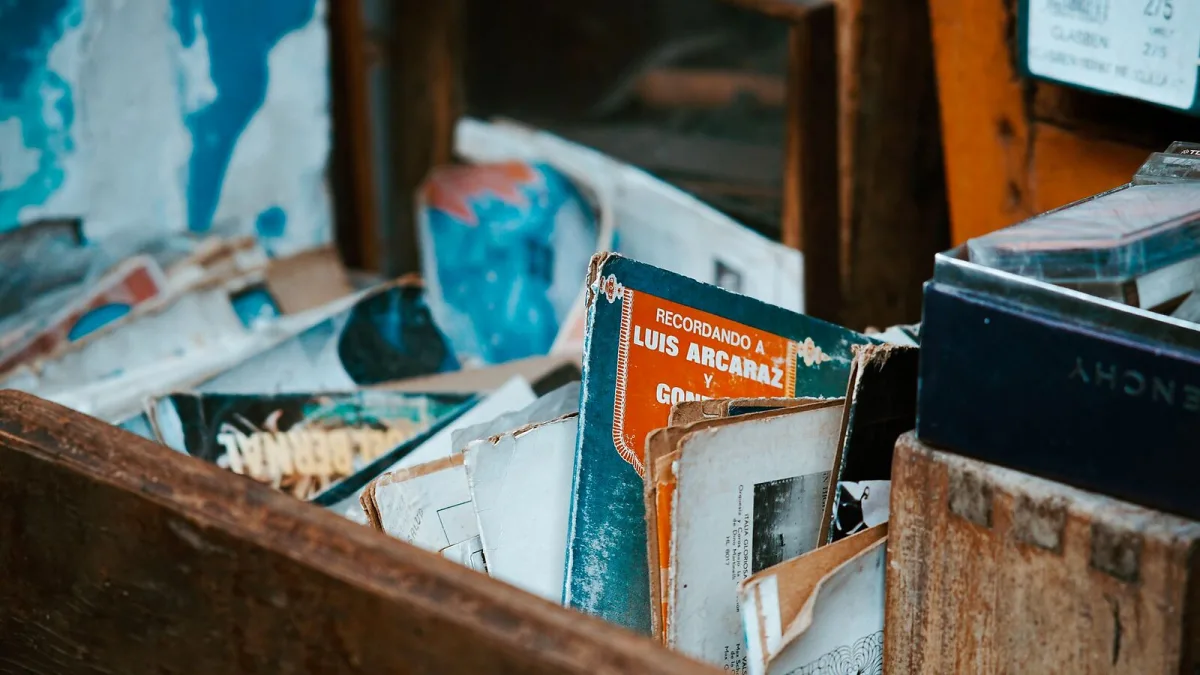
Right, a quick word before we get into this one: salsa music's recorded history is enormous, spans decades and several countries, and a lot of the "definitive list" content floating around online quietly invents details nobody's actually confirmed. So rather than hand you a shaky top-ten, here's an honest guide to the essential recorded moments and bodies of work that any serious listener should know about — and why each one matters.
The Fania All-Stars at Yankee Stadium (1973)
If there's one single recorded event that captures what the classic New York scene was actually about, it's this one. Fania Records gathered a huge chunk of its roster under one banner for a landmark concert at Yankee Stadium, and the resulting live recordings became one of the era's defining documents — a room full of the genre's biggest names playing together rather than competing for space on separate records. If you want to understand why "Fania era" gets treated as a golden age, start here.
Willie Colón and Rubén Blades' Salsa Music Collaboration
Rather than pointing at one album, it's worth knowing the body of work Colón and Blades built together through the 1970s. Colón's arrangements and trombone-led production gave Blades' narrative, socially observant songwriting somewhere to land, and that partnership produced some of salsa music's most quietly serious lyric writing — migration, hardship and neighbourhood life, set to a groove people could still dance to without noticing how heavy the subject matter was.
Celia Cruz and Tito Puente: Classic Salsa Music
Cruz's commanding vocals paired with Puente's bandleading and arrangements repeatedly, across a recording relationship that helped define what a classic salsa vocal record sounds like: big-band horn punches, driving percussion, and a lead voice that never once sounds like it's straining to be heard over any of it.
Eddie Palmieri's Piano-Led Arrangements
Palmieri's catalogue is the place to go once you want to hear how dense a salsa music arrangement can get without losing its dance-floor purpose. His piano writing, jazz-influenced harmony and heavyweight percussion sections reward the kind of close, repeated listening you might normally save for jazz records.
El Gran Combo de Puerto Rico's Ensemble Catalogue
Where the Fania roster represents New York's take on the genre, El Gran Combo's long-running catalogue represents the Puerto Rican ensemble tradition directly — chorus-driven, dance-first, built for a room that wants to move rather than sit and analyse.
What to Actually Listen For
Whichever of these you start with, the same checklist applies: find the steady salsa music dance pulse, listen for the conga pattern sitting underneath everything else, notice the piano montuno repeating and filling space, and wait for the shift from the sung verse into the instrumental or vocal improvisation. Our guide to salsa's defining musical moments breaks that listening process down properly, track element by track element.
Start With the People, Not Just the Records
Recorded catalogues this large make far more sense once you know whose work you're actually hearing. Our guide to salsa's essential artists fills in the biographical detail behind every name on this page.
The Bottom Line
Salsa music's essential recorded history, in short, isn't five neat album titles — it's a handful of collaborative runs and one enormous live event that, between them, show you everything the genre is capable of. Follow any of these threads properly and you'll come out the other side understanding the sound far better than a shaky top-ten list could ever manage.


Comments