


Grindcore roundup
The Best Grindcore Songs Right Now
Length has almost nothing to do with it. Here's what actually makes a grindcore track essential.
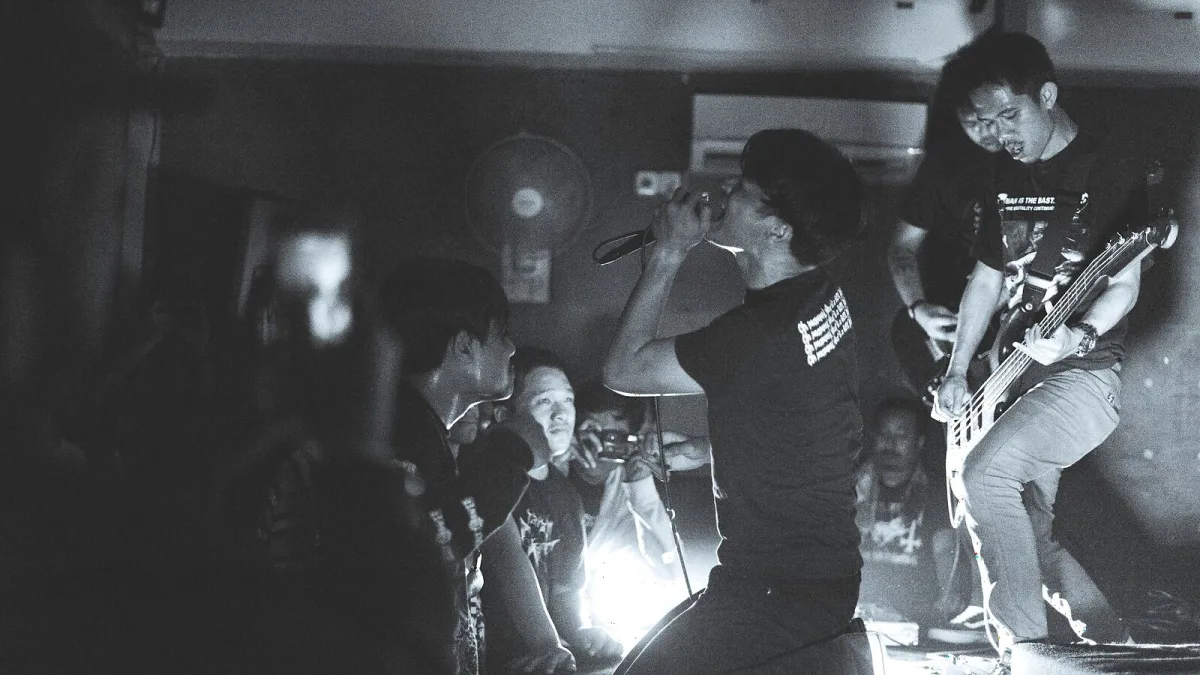
Forget "right now" — the tracks that actually define grindcore aren't chasing a moment, they set one. This is a corner of grindcore where a single riff or a two-second blast of noise can outlast entire album cycles from other styles. Here's what actually earns "defining track" status in grindcore, and why length has almost nothing to do with it.
The Shortest Statement in Music
Start with the extreme end, because it's the fact everyone half-remembers: Napalm Death's "You Suffer" is one of the most famous examples of just how far grindcore pushed the idea of a "song." It lasts only a couple of seconds — a full musical statement, verse-chorus structure be damned, delivered and gone before you've finished processing the title. It's genuinely funny, genuinely brutal, and it makes a serious point: that a song's impact was never actually tied to its runtime.
Why "Defining" Doesn't Mean "Shortest"
Here's the twist most casual takes miss: plenty of the tracks that actually shaped the genre are built around riffs, not brevity. "Genital Grinder," the opening track on Carcass's Reek of Putrefaction, is remembered for slamming the door on goregrind's whole aesthetic in its opening seconds — distortion, pitch-shifted vocals, body-horror atmosphere, all at once. It's not a short joke like "You Suffer"; it's a statement of intent that an entire subgenre grew out of.
Terrorizer's "Fear of Napalm," the opening track on World Downfall, works the same way from the deathgrind side of the family: a riff so immediate and so widely referenced that it's become genuine shorthand for what tightly played, high-speed extreme metal is supposed to sound like. Neither of these grindcore tracks needs to be brief to be definitive — they just need to say everything the album is about, right at the start.
What Actually Makes a Track "Essential"
Strip away the "right now" framing and a few things separate the tracks people keep coming back to from everything else:
- It opens or closes an album that mattered. Opening tracks especially carry the weight of introducing an entire aesthetic in under a minute.
- It does something the genre hadn't quite done yet — a new vocal technique, an unusually controlled riff, a structural trick.
- Other bands keep referencing it, whether through covers, interviews or just the riff turning up again in spirit elsewhere.
- It survives outside its album. A genuinely defining track gets talked about on its own, not just as "track four."
Blast Beats, Riffs and Why the Drums Do So Much Work
A huge part of why individual tracks stand out comes down to the drumming underneath them. The blast beat — rapid, coordinated hits across snare, bass drum and cymbal — is what gives a track like "Fear of Napalm" its sense of controlled chaos, while sudden drops into half-time grooves are what make the abrupt shifts inside a single song feel deliberate rather than random. Listen for where a track breaks its own momentum; that's usually where the songwriting, not just the speed, is actually happening.
Where to Hear These Tracks in Context
None of this lands properly out of context. If you want the full albums these tracks come from, our essential grindcore albums guide covers Scum, Reek of Putrefaction, World Downfall and more in depth, and our guide to essential grindcore artists covers the bands themselves. If terms like "deathgrind" and "goregrind" are new to you, our subgenres guide explains exactly what separates them.
Tracks That Get Overlooked
It's easy for a "best of" conversation to fixate on the same two or three grindcore tracks and stop there. Plenty of material from the genre's second wave — Brutal Truth's more experimental structures, Nasum's tightly produced riffs, Agoraphobic Nosebleed's programmed extremity — rarely gets the same individual-track spotlight, even though the albums themselves are considered essential. Worth remembering that "famous" and "important" aren't always the same list, especially in a genre this scattered across independent releases and splits.
The Bottom Line
The tracks that actually define this genre don't need a "right now" to justify them — they've already outlasted several. Whether it's two seconds of pure joke-brutality or a riff that's been quoted for decades, what makes a grindcore track essential is the same thing that's always made great music essential: it does something nobody else quite did, and it doesn't let go once it has your attention.





Comments