


Fado article
The History of Fado
Fado wasn't born in one night from one broken heart. Here's the tangled, multicultural, decades-long story of how it actually came together.
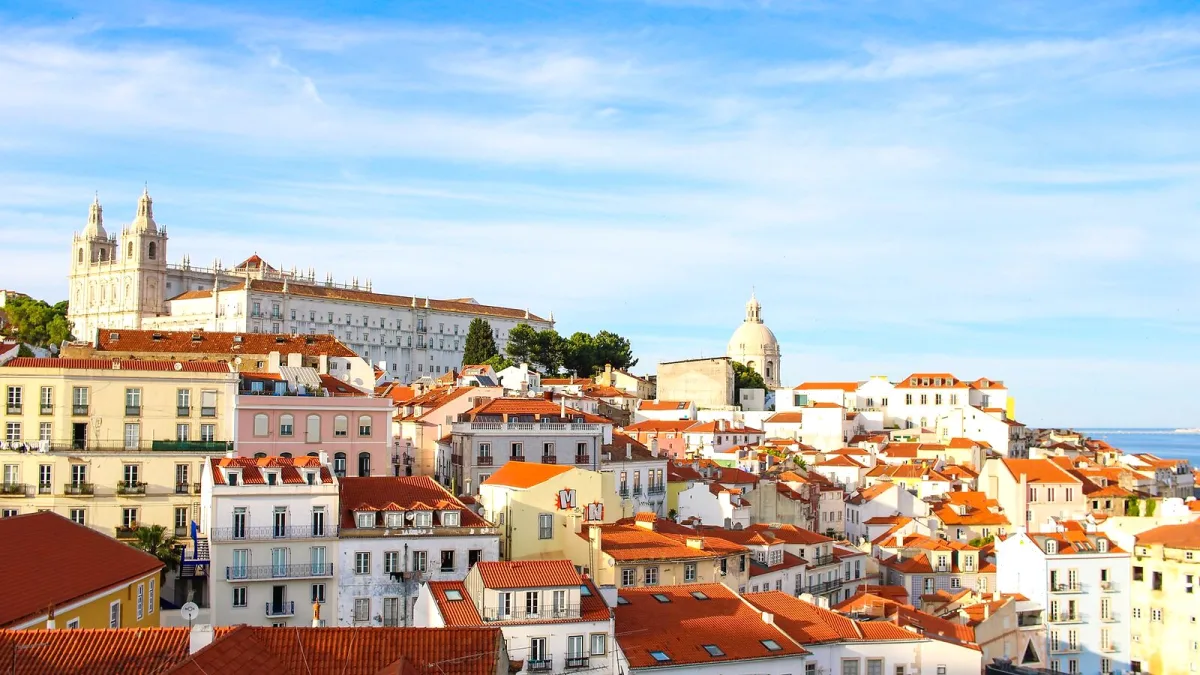
Every genre has an origin story that gets flattened into a soundbite. Fado's is bigger than that. It wasn't born in one tavern, on one night, from one broken heart. It came together over decades, in the backstreets of Lisbon, out of several traditions colliding at once. Here's the real shape of that story.
A Multicultural Mix, Not a Single Spark
Forget the myth of one lone sailor inventing fado on the docks. UNESCO, which inscribed fado on its Representative List of the Intangible Cultural Heritage of Humanity in 2011, describes it as a "multicultural synthesis." Afro-Brazilian sung dances. Rural Portuguese song brought in by migration. Early nineteenth-century urban tunes. All of it folded together in one city.
That city was Lisbon. Specifically its oldest, poorest, most crowded corners.
Born in Alfama, Mouraria and Bairro Alto
The genre took shape in working-class neighbourhoods — Alfama, Mouraria, Bairro Alto, Madragoa. Taverns. Cafés. Cramped courtyards. This wasn't concert-hall music to begin with. It was street-level, sung by and for people who lived hard, uncertain lives.
The name itself comes from the Latin fatum, meaning fate. That's not a marketing flourish. Fate, chance and hardship run through the lyrics from the very start, alongside romance, gossip and the texture of neighbourhood life. The word saudade — a longing that mixes memory, absence and affection — became the genre's emotional shorthand, though it was never the only subject on the table.
Two Cities, Two Traditions
Lisbon wasn't the only place doing this. Coimbra, home to Portugal's oldest university, built its own parallel tradition. Its Coimbra counterpart grew up around student culture — traditionally sung by men, often in a formal, serenade-like style, performed at night beneath windows and in academic ceremonies.
The two traditions aren't interchangeable. Different repertoire. Different social context. Different vocal approach. Reducing the split to "sad Lisbon, happy Coimbra" misses the point — both contain real range. We go deeper on exactly how they diverge in Fado Subgenres, Explained.
The Amália Rodrigues Era
It stayed a mostly local, working-class form for decades. Then came Amália Rodrigues.
Through the middle of the twentieth century, Amália took fado from neighbourhood taverns to international stages. Songs like "Uma Casa Portuguesa," "Barco Negro" and "Povo Que Lavas No Rio" turned her into the genre's global ambassador. By the time her career peaked, fado had become tightly bound up with Portuguese national identity itself — a symbol as much as a song form.
That's a complicated legacy. The nationalist framing sat awkwardly alongside fado's earlier, messier, multicultural and working-class roots. Both versions of the story are true. Neither cancels the other out.
A Genre Under a Dictatorship
There's a darker chapter too. During the decades of Portugal's authoritarian Estado Novo regime, fado was co-opted as part of a state-sanctioned national identity, sometimes summed up as the "three Fs": fado, Fátima and football. Officials leaned into the romantic, fatalistic side of the songs while censoring anything that strayed towards political criticism.
That's a stark contrast to the genre's messier, working-class beginnings. It's a reminder that the same music can be claimed for very different purposes depending on who's holding the microphone — and why some of the more socially observant, less sanitised lyrics matter so much to historians of the form.
UNESCO and the World Stage
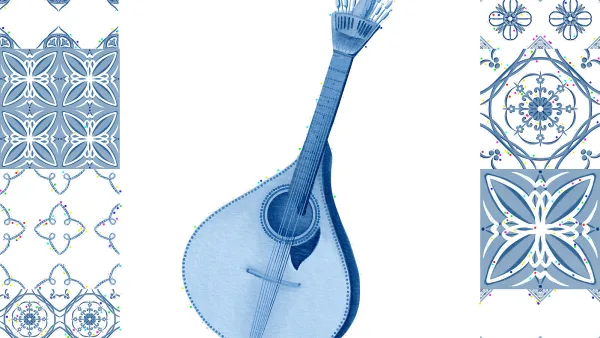
Fast-forward to 2011. UNESCO officially recognised fado as "urban popular song of Portugal," cementing its status as a genre worth protecting and studying, not just enjoying. The listing highlighted exactly what made the tradition distinctive: the pairing of voice with the pear-shaped, twelve-string Portuguese guitar, and a tradition passed down through families, local associations and professional performers alike.
A Living Tradition, Not a Relic
Here's the bit people get wrong: fado didn't stop evolving once it got a UNESCO plaque. Singers like Mariza, Camané, Carminho and Ana Moura have spent the last couple of decades reworking the tradition — some staying close to the old forms, others bringing in jazz, pop and orchestral colour. Full rundown of who's who in our guide to the best fado artists to know.
If you're brand new to all this and want the short version before diving into the history proper, start with our beginner's guide to fado instead.
The Bottom Line
Fado's history isn't a straight line from invention to fame. It's a tangle of migration, urban poverty, national pride and constant reinvention. That's exactly why it's still worth listening to almost two centuries later — it was never one fixed thing to begin with.



Comments