


Fado article
A Beginner's Guide to Fado
One voice, two guitars, and a feeling the Portuguese call saudade — here's the gentlest way into fado, step by step.
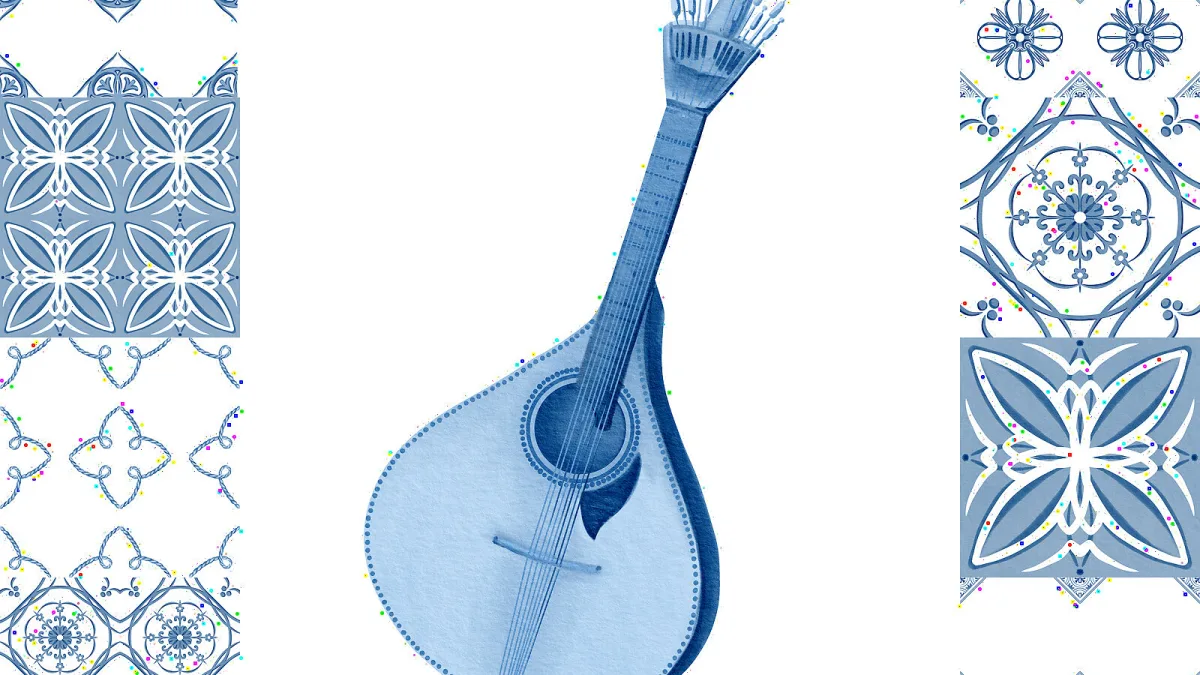
Fado is one of the most emotionally direct musical traditions you can sit down and listen to — a Portuguese song form built around a single voice, two guitars and a feeling the Portuguese call saudade. If the word is new to you, this guide takes you through what the tradition actually is, how it sounds, and the gentlest way to start listening, one step at a time.
What Is Fado, Exactly?
Fado is a Portuguese song-and-poetry tradition most closely associated with Lisbon. A solo singer, usually standing quite still, is accompanied by the guitarra portuguesa (Portuguese guitar) and a classical guitar, and the lyrics tend to circle around longing, fate, love and the texture of everyday city life. In 2011, UNESCO inscribed it on its Representative List of the Intangible Cultural Heritage of Humanity, describing the genre as a "multicultural synthesis" drawing on Afro-Brazilian sung dances, rural Portuguese traditions and early nineteenth-century urban song.
Don't worry if that sounds like a lot to take in at once. In practice, it's simply a very focused kind of listening experience: one voice, two guitars, and a story worth paying attention to.
Meet the Instruments First
Before you even think about the singer, it helps to know what you're hearing behind them:
- Portuguese guitar (guitarra portuguesa) — a small, pear-shaped instrument with twelve metal strings arranged in six pairs. It has a bright, ringing tone and often introduces the melody before the singer comes in, then answers each vocal line afterwards.
- Classical guitar — in these circles this instrument is usually called the viola, which can trip up English speakers expecting the bowed orchestral instrument. Here it provides the harmony and rhythmic pulse underneath everything else.
- Bass (optional) — some modern groups add an acoustic or double bass for extra warmth in the low end, though the classic pairing of voice, Portuguese guitar and viola remains the traditional core.
Once your ear can separate those three parts, the rest of the picture starts to open up quite naturally.
Where the Word "Fado" Comes From
The name shares its root with the Portuguese word for "fate," and that connection isn't accidental — a great deal of the repertoire deals with destiny, loss and the passage of time. The emotional heart of the genre is often summed up in one untranslatable word: saudade, a kind of longing that blends affection, absence and memory all at once. It's worth knowing the term, but try not to let it become a stereotype; these singers write about romance, work, politics and neighbourhood life too, not just heartbreak.
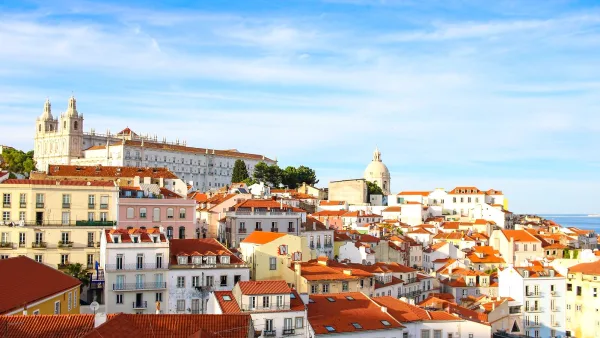
The style grew out of nineteenth-century Lisbon, in working-class districts like Alfama, Mouraria and Bairro Alto, and there's a second, quite different strand from the university city of Coimbra. For the full story of how fado developed, our history piece covers the background in far more depth than we have room for here.
How to Start Listening
You don't need a music degree to enjoy this tradition — you just need a sensible starting order. Try this:
- Start with Amália Rodrigues. She's the singer most responsible for taking fado to the world, and her recordings of "Uma Casa Portuguesa," "Barco Negro" and "Povo Que Lavas No Rio" are as good an introduction as any.
- Notice the difference between Lisbon and Coimbra styles. They're not the same thing, and hearing both early on will save you from thinking it's a single, fixed sound.
- Listen once for the voice, then again for the guitars. This music rewards a second listen almost every time.
- Move on to a contemporary singer such as Mariza, Camané or Carminho, and compare how a modern recording treats the same emotional territory.
If you'd like names to build a proper listening list around, our guide to the best fado artists to know is the natural next stop, and our rundown of essential fado albums will help you go deeper once you know whose voice you like.
Where to Hear It Live
This is still very much a living, performed tradition rather than a museum piece. You'll find it in dedicated houses in Lisbon's old neighbourhoods, in formal concert settings, and in more informal community gatherings where amateur singers take a turn — a practice sometimes called fado vadio. Etiquette varies from venue to venue, so it's worth watching the room before you clap or chat between songs; a proper concert hall and a small neighbourhood tavern don't follow quite the same rules.
A Genre Still Finding New Listeners
What makes this such a rewarding discovery is that it hasn't stood still. Alongside singers who keep the traditional sound close to its roots, there are others blending it with jazz, pop and orchestral arrangements, which is exactly why fado now has recognisable subgenres worth exploring — something we break down properly in Fado Subgenres, Explained. And if you'd rather start with individual tracks than whole albums, our pick of the best fado songs is a shorter, friendlier way in.
Take it one singer at a time, let the guitars do some of the emotional work, and fado will make a great deal more sense after your first few sittings than it does on paper.




Comments