


Fado roundup
The Best Fado Artists to Know
Fado lives or dies on the singer. Here's a proper who's who, from the golden-age voices to the contemporary torchbearers.
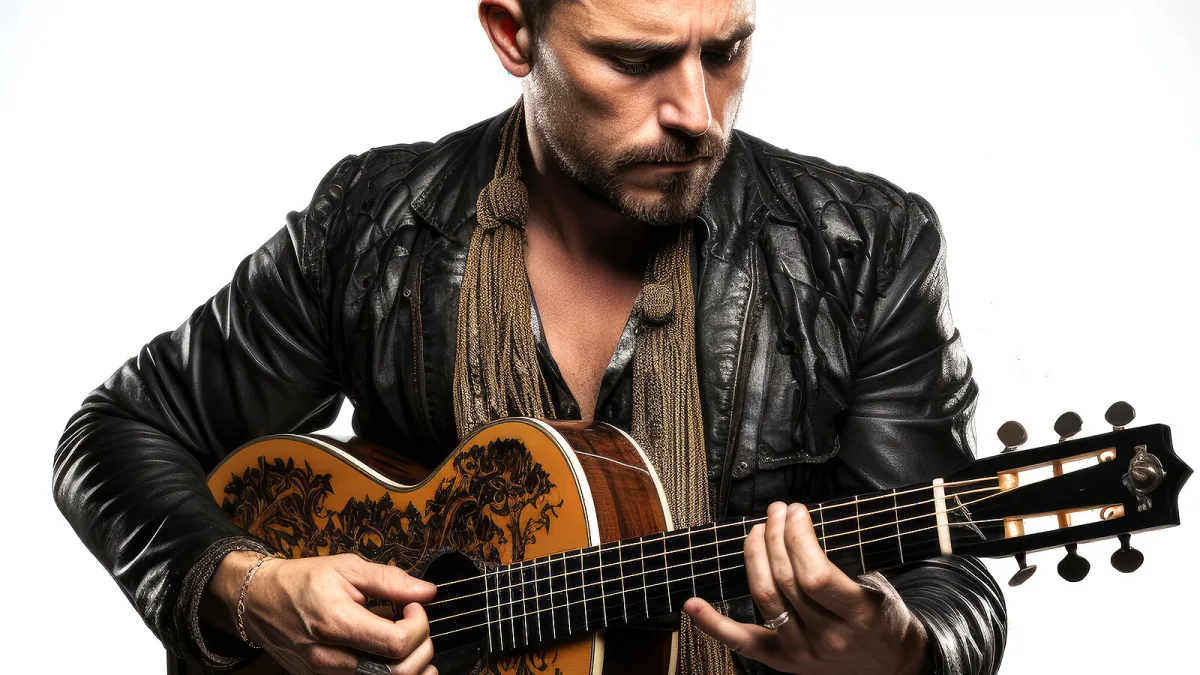
Fado lives or dies on the singer. The guitars set the mood, but it's the voice out front that decides whether a song lands. So instead of another abstract explainer, here's a proper who's who of fado artists — the names that built the tradition, and the ones keeping it interesting right now.
The One Everyone Starts With: Amália Rodrigues
You can't talk about fado artists without starting here. Amália Rodrigues took the genre from Lisbon's neighbourhood taverns to concert halls around the world through the middle of the twentieth century. Tracks like "Uma Casa Portuguesa," "Barco Negro" and "Povo Que Lavas No Rio" are the reason most people outside Portugal have heard fado at all. If you only learn one name before diving in, make it hers.
The Golden-Age Voices
Amália wasn't working alone. A handful of other singers from the same golden age shaped what the genre sounds like today, each with a distinct approach:
| Artist | Known For |
|---|---|
| Alfredo Marceneiro | Traditional Lisbon fado with rhythmically flexible, expressive delivery |
| Carlos do Carmo | Bridging traditional fado with sophisticated, modern concert arrangements |
| Maria Teresa de Noronha | An elegant, controlled vocal style and traditional repertory |
| Fernando Farinha | A defining twentieth-century Lisbon fadista voice |
| João Braga | A key later Lisbon singer and advocate for traditional fado |
None of these names are footnotes. If you want the fuller backstory of how this generation shaped the genre, our history of fado fills in the context.
The Artist Who Took It Global (Again): Mariza
Decades after Amália, Mariza did something similar for a new generation. Her early albums introduced fado to international world-music audiences who'd never heard the Portuguese guitar before, while keeping a genuine link back to traditional repertory. If you're building a starting playlist, she belongs near the top.
The Contemporary Torchbearers
Fado didn't stop evolving after Mariza broke through. A current generation of fado artists is splitting between strict tradition and genuine experimentation:
- Camané — widely regarded as one of the most respected traditionalists working today, known for detailed phrasing and a tight connection to classic fado forms.
- Carminho — combines a deep respect for the classic repertory with newer, self-written material.
- Ana Moura — blends fado with wider popular-music influences; her album "Desfado" even features a song co-written with Prince, a genuine crossover moment for the genre.
- Mísia — leans into a theatrical, internationally minded take on the tradition.
- Dulce Pontes — works across fado and broader Portuguese and world-music repertory.
- António Zambujo — draws on fado, cante alentejano and Brazilian music in equal measure, refusing to sit in one lane.
Between them, that list covers pretty much every direction fado is being pulled in right now — and it's exactly the range we map out properly in Fado Subgenres, Explained.
How to Actually Listen to This List
Don't try to absorb all of these names in one sitting — a wall of unfamiliar Portuguese names is a fast way to lose interest before you've heard a single note. A smarter approach spreads the listening out over a few sessions:
- Start with one Amália Rodrigues track to hear the reference point everything else responds to.
- Move to Mariza to hear how a modern voice reinterprets the same emotional territory a generation later.
- Pick one traditionalist (Camané) and one experimenter (António Zambujo) and compare them directly, back to back.
- Only then work backwards to the golden-age names in the table above, once your ear already knows what it's listening for.
Once you know which of these singers you actually respond to, our guide to essential fado albums will point you towards specific records worth owning, and our list of the best fado songs is a faster route in if you'd rather start track by track.
A Note on Instrumentalists
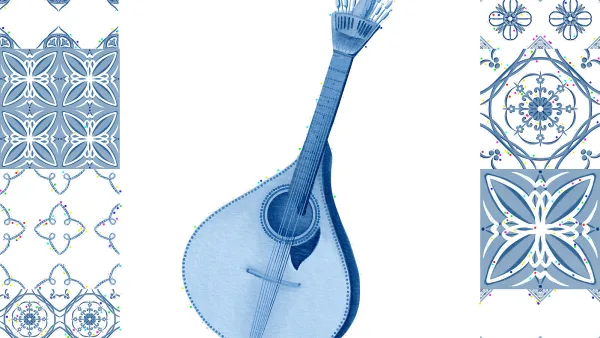
It's worth remembering that fado artists aren't only singers. The Portuguese-guitar players standing beside them are doing real creative work — introducing melodies, answering vocal lines and improvising short passages between phrases. There's no single dominant instrument-maker brand in this world either; a well-set-up Portuguese guitar from a reputable specialist luthier matters far more than any name on the headstock, and the accompanist's judgement matters just as much as the singer's.
The Bottom Line
Fado isn't a single sound produced by interchangeable performers — it's a tradition carried by very different fado artists, from Amália's national-symbol status to António Zambujo's genre-blurring instincts. Learn a handful of these names properly, and the whole genre stops feeling like homework and starts feeling like a set of favourites.


Comments