
experimental music challenges genre rules through unusual sounds, structures, instruments and production methods.
- 8 articles
- Music Genres (General)
Articles on Experimental Music
All news

Art Pop for Newcomers: Where to Start
Half the intimidation around art pop comes from how it gets written about, not the records themselves. Here's the honest, no-homework way in.


Art Pop Subgenres, Explained
Say art pop to five people and you get five different mental playlists — here's how its neighbouring styles actually differ from each other.


The Best Art Pop Artists to Know
None of these artists set out with a genre checklist — they just refused to leave the interesting ideas outside the recording booth.


The History of Art Pop
Tracing this story means starting outside music entirely, with a 1950s art movement that never intended to change how records got made.


Essential Art Pop Albums Explained
Not a definitive canon — nobody could honestly hand you one for a genre this loosely defined — but the records that keep coming up, in order.


The Best Art Pop Songs Right Now
There's no chart for this, no agreed top ten anyone could defend with a straight face — just tracks worth treating as case studies.


Math Rock Subgenres, Explained
Instrumental precision, Midwest emo crossover, loop-based studio work and more: here's how math rock's many facets actually fit together.

A Beginner's Guide to Art Pop
No fixed tempo, no required synth, no dress code beyond a willingness to mess with pop's expectations while keeping a hook that actually lands.
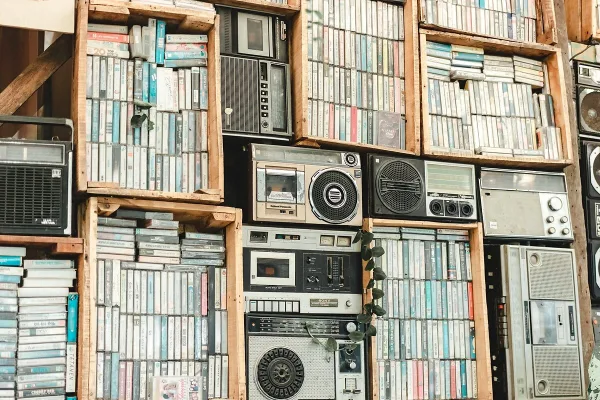
Music that pushes boundaries
experimental music is a broad category for work that challenges familiar structures, sounds or production methods. It can include improvisation, electronic manipulation, unusual instrumentation, extended techniques and non-traditional composition. For UK musicians, experimental music is less about a fixed style and more about curiosity, risk-taking and process.
Studio, live and cross-genre use
Artists working in experimental music may combine field recordings, modular synthesis, prepared instruments, found objects or radically edited acoustic sources. The results can be abstract, rhythmic, ambient or confrontational depending on the concept. experimental music is valuable for creators who want freedom from standard genre rules while still shaping a coherent artistic identity.
Why the category matters
In a UK catalogue, experimental music helps listeners find work that sits outside conventional genre boxes while still being searchable and discoverable. It is especially relevant to contemporary composers, noise artists, electronic producers and improvisers. experimental music remains an important label for ideas that move beyond expectation and treat sound itself as the subject.

Tango
Tango is a dramatic dance music style with strong rhythm, expressive phrasing and a distinctive emotional intensity.

Barbershop
Barbershop is a close-harmony vocal style with bright chords, precise ensemble blend and a classic a cappella sound.

Samba
Brazilian rhythm-led genre with rich percussion, syncopation and strong live energy for ensembles and carnival-style per...

Gothic
Gothic music spans dark, dramatic styles across rock, metal and alternative scenes. It links music, mood and visual iden...

Avant Garde
Avant garde music pushes beyond familiar styles with experimental sounds, unusual structures and sonic risk-taking.

Glitch
Glitch is an experimental electronic genre built from clicks, skips and digital artefacts. It suits adventurous producer...

Calypso
Calypso is a rhythmic Caribbean style built on storytelling, vocals and lively percussion with strong cultural roots.

Phonk
Phonk is a dark, sample-led style built on heavy bass, chopped textures and gritty beats.

Americana
Americana blends folk, country, blues and roots rock into storytelling-led music with an acoustic, lived-in feel.

Meditation Music
Calm, slow-moving music for mindfulness, relaxation, yoga and peaceful listening environments.

Minimalism
Minimalism uses repetition, gradual change and sparse materials to create focused contemporary music.

Symphony
Symphony covers large-scale orchestral works with structured movements, rich instrumentation and formal classical writin...


