


Art Pop article
Essential Art Pop Albums Explained
Not a definitive canon — nobody could honestly hand you one for a genre this loosely defined — but the records that keep coming up, in order.
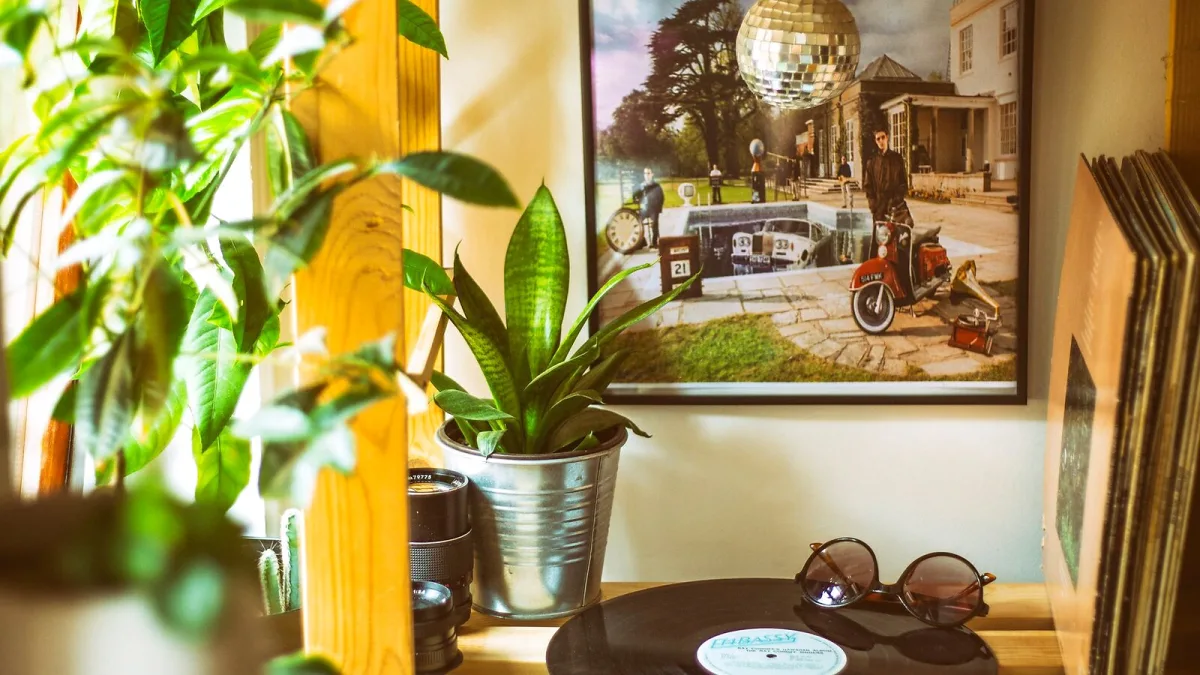
These aren't a definitive, objectively ranked art pop canon — nobody could honestly hand you one for a genre this loosely defined — but they're the records that keep coming up whenever the history gets discussed seriously, and each one marks a genuine shift in what a pop record could attempt. Play them in order and you'll hear the whole story unfold.
Where the Art Pop Studio Idea Took Hold
The Beach Boys – Pet Sounds (1966). Brian Wilson's layered vocal arrangements and painstaking studio construction turned a pop album into something closer to a composed suite. The Beatles – Sgt. Pepper's Lonely Hearts Club Band (1967) pushed the same instinct further the following year, sequencing and character-building an entire record as a unified concept. Neither one is a complete definition of the whole idea, but both fundamentally reset expectations of what an album could try.
Bowie's Art Pop Trilogy of Reinvention
David Bowie – Hunky Dory (1971) shows the songwriting foundation before the theatrics fully arrived. The Rise and Fall of Ziggy Stardust and the Spiders from Mars (1972) is the persona-as-artwork idea at full strength, a character built to inhabit an entire album. Low (1977), made with Brian Eno, swerves hard into fractured, electronic, ambient-adjacent territory — proof Bowie was never interested in repeating a formula, even a wildly successful one.
Roxy Music's Glamorous Artifice
Roxy Music (1972) and For Your Pleasure (1973) paired genuinely catchy songwriting with a deliberately artificial, glam surface and real art-school ambition underneath it. Brian Eno – Here Come the Warm Jets (1974), his solo debut after leaving the band, is where his studio-as-instrument philosophy gets to run entirely on its own terms.
Kate Bush's Theatrical Peak
The Dreaming (1982) is Kate Bush at her most uncompromising — dense, strange, structurally daring, and not remotely interested in easing the listener in gently. Hounds of Love (1985) then proves the same theatrical instincts could sit alongside genuinely huge hooks, balancing accessibility and ambition about as perfectly as this approach has ever managed.
Björk Goes Fully Electronic
Debut (1993) announced a genuinely distinctive electronic-pop voice from the first track. Homogenic (1997) sharpened that voice against string arrangements and harder digital beats, and Vespertine (2001) pulled everything inward into something intimate and hushed. Three albums, three completely different production philosophies, one unmistakable artist running through all of them.
What Ties This Shelf Together
None of these six sound remotely alike — that's rather the point. What connects a layered 1966 vocal arrangement to a hushed 2001 electronic record is the same underlying instinct: treat the studio, the sequencing and the concept as seriously as the songs themselves. Every artist on this list changed direction constantly rather than settling into a formula, and that restlessness is arguably the most reliable marker of art pop you'll find across seven decades of records.
A Note on This List
Treat this as a starting shelf, not gospel — art pop's genre boundaries are genuinely contested, and reasonable people disagree about what even counts. For the artists behind these records, see our artists guide, and for individual tracks worth knowing first, our essential songs guide is the natural next stop. New to all this? Start with our beginner's overview instead.




Comments