


Art Pop article
The History of Art Pop
Tracing this story means starting outside music entirely, with a 1950s art movement that never intended to change how records got made.
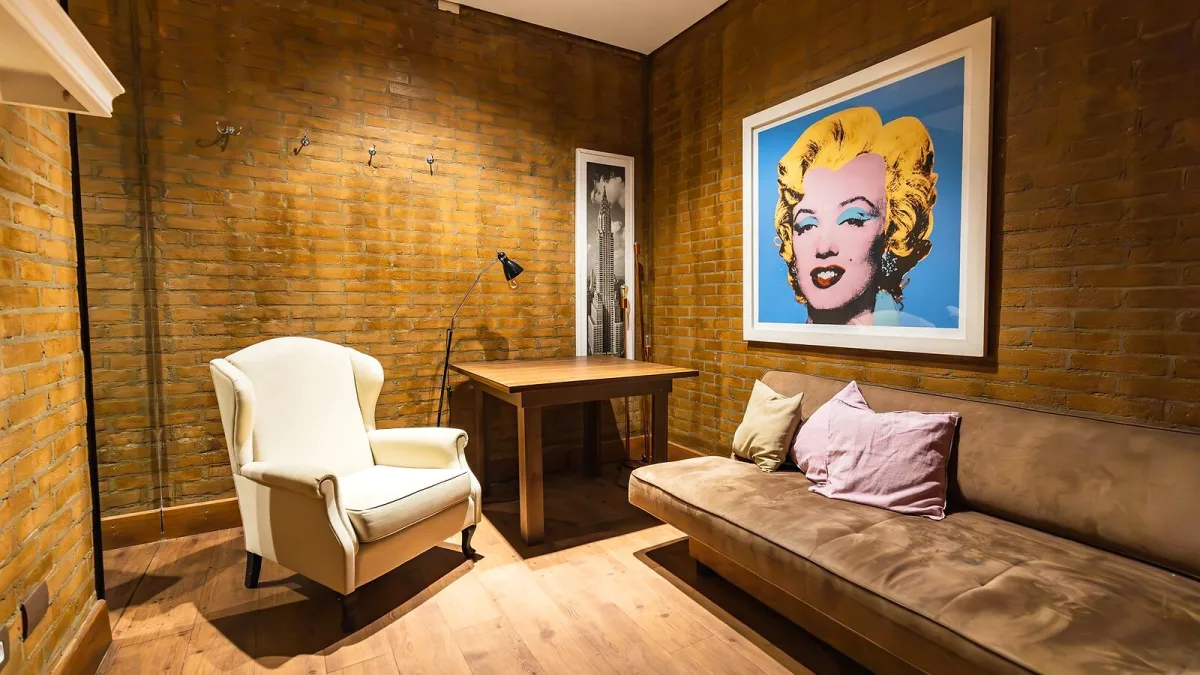
Every era gets the pop it deserves, and art pop is what happens when that pop starts borrowing ideas from somewhere else entirely — the gallery, the theatre, the recording booth itself. Tracing that story properly means starting outside music altogether, with a 1950s art movement that never intended to change how records got made.
The 1950s: An Art Movement, Not Yet a Sound
Pop Art emerged in Britain and the United States through the 1950s, reaching its peak the following decade. It pulled advertising, comics and consumer culture straight into galleries, refusing the old line between "serious" art and mass entertainment. Nobody involved was thinking about pop music specifically, but the underlying idea — that sophisticated ideas could live inside familiar commercial packaging — was exactly the seed that art pop would later grow from.
The 1960s: The Studio Becomes Part of the Song
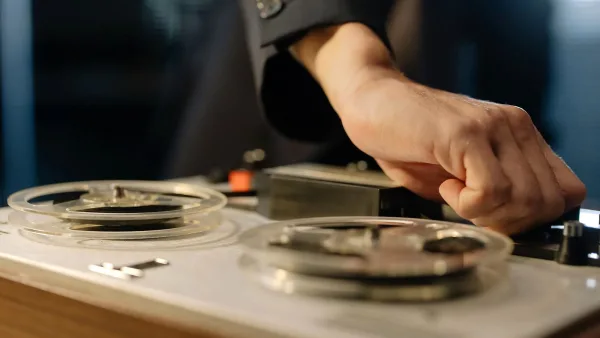
The turning point came when musicians started treating the recording studio itself as a compositional tool rather than a place to simply capture a performance. Brian Wilson's increasingly layered arrangements for the Beach Boys and the Beatles' ambitious late-60s recording methods both pushed in the same direction: a record could be designed like a built artwork, sequenced and textured with real intent. Pet Sounds (1966) and Sgt. Pepper's Lonely Hearts Club Band (1967) get cited constantly as reference points for exactly this shift, not because either album is a complete definition of the style, but because both expanded what listeners expected a pop record to attempt.
The 1970s: Art Pop Gets a Persona
The next decade added something the 1960s pioneers hadn't fully explored: the artist as a total, deliberately constructed work. David Bowie made his clothing, characters, narrative and sound function as one evolving project rather than separate decisions. Roxy Music and Brian Eno, meanwhile, pushed hard on texture and artificiality — treating synthetic, processed sound as a genuine aesthetic choice rather than a compromise. Glam performers across the board made theatrical presentation central to how audiences were meant to understand the songs underneath it, folding fashion and stagecraft into the listening experience itself.
The 1980s and 90s: Theatre Meets Digital Sound
Kate Bush carried this into a new decade through dramatic, character-driven vocal performance and unusual song structures pulled from literature and film — dance and staging weren't decoration, they were part of how the songs actually worked. Then Björk, through the 1990s, moved the whole approach into a genuinely electronic environment: intimate vocals and unusual melody sitting alongside digital programming and ambitious visual presentation, proving that electronic production could feel emotionally direct rather than cold or purely technical.
Where It Sits Today
Nothing about this history produced a fixed rulebook, which is precisely why art pop now overlaps so freely with experimental pop, avant-pop, chamber pop, synth-pop and several other neighbouring styles. Modern artists frequently draw on everything above without ever using this specific name themselves — the throughline isn't a sound, it's the willingness to treat a pop record as more than just a song.
Why This History Matters
Knowing the chain — Pop Art, studio-as-composition, persona-as-artwork, theatrical vocal writing, electronic reinvention — changes how you hear a record that seems to be doing "too much" at once. It isn't excess for its own sake; it's a genuinely traceable lineage. For the people who built each link in that chain, see our artists guide, and for the actual records, our essential albums guide maps each era in detail. Want the bigger picture of the whole idea first? Our overview guide is the natural companion.


Comments