


Enka roundup
The Best Enka Songs Right Now
The best way into enka is through specific songs — recordings that show exactly what the genre does and why nothing else does it quite the same way.
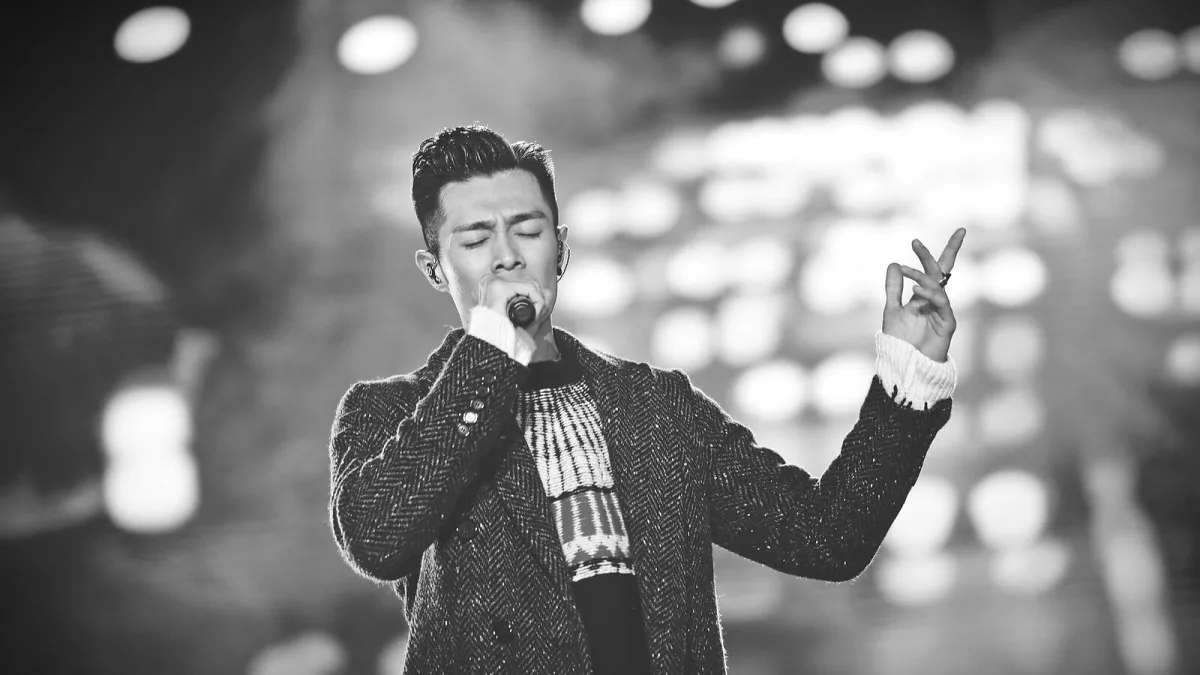
The best way to understand what enka actually does is to hear it in song. Not a description of what kobushi is, not a diagram of the pentatonic scale — but a specific recording, a specific voice, a specific moment where Japanese popular music does something that almost nothing else in the world does as well. These are the songs that reveal the genre.
Why These Songs Matter
The catalogue runs to thousands of recordings across many decades. But certain songs function as genre-defining moments: tracks that crystallised what enka could be, launched careers, became karaoke staples, or demonstrated something about the form that no description captures. The songs below are those kinds of records — not a complete history, but a precise listening path into the genre's heart.
Hibari Misora — "Kawa no Nagare no Yō ni"
Hibari Misora's 1989 recording of "Kawa no Nagare no Yō ni" ("Like the Flow of a River") was released near the end of her life and became one of the most beloved Japanese songs of any genre. The title is a metaphor for the passage of time and the movement toward death — and the recording carries that weight in every phrase.
It's a masterclass in how phrasing works in this tradition: the way syllables are held, ornamented and released, the relationship between breath and emotion, the theatrical restraint that makes the climactic moments land. There's nothing showy about it, and yet every note is a considered performance decision.
This is the song to play someone who has never heard enka. It says everything.
Keiko Fuji — "Shinjuku no Onna"
Keiko Fuji's 1969 debut single "Shinjuku no Onna" ("Woman of Shinjuku") launched her career and announced a new emotional temperature in the genre. Shinjuku — Tokyo's entertainment and red-light district — gives the song its setting: a woman drinking alone at night, refusing self-pity but not avoiding grief. The delivery is controlled, direct and slightly furious.
It's the song that shows you how the tradition can be genuinely hard-edged rather than merely sentimental. Fuji doesn't reach for easy emotion; she just states the situation and lets the voice carry what the words can't quite say.
Hachirō Kasuga — "Otomisan"
Hachirō Kasuga's recordings from the postwar period demonstrate what the male voice sounded like before the arrangements became heavily orchestrated. "Otomisan" is one of his most recognised songs — warm, unhurried and built around a vocal line that shows how kobushi was deployed in the earlier style: less dramatic than later singers, but no less precise.
It's useful listening for understanding what enka sounded like before the full studio production apparatus took over.
Shinichi Mori — "Kita No Yado Kara"
One of the most recognised songs of the 1970s, "Kita No Yado Kara" ("From a Northern Inn") by Shinichi Mori is a textbook example of the lyrical vocabulary: winter, a journey north, a letter, the impossibility of return. The arrangement combines strings with electric guitar in the way that characterises mid-period commercial Japanese ballad, and Mori's delivery is technically precise without sacrificing feeling.
Jero — "Umiyuki (Ocean Snow)"
Jero's 2008 debut single for Victor Entertainment is historically significant as well as musically interesting. "Umiyuki" uses standard imagery — the sea, winter, cold, departure — and deploys it through a voice that was trained in the tradition but came from Pittsburgh, not Japan. The arrangement is contemporary, the delivery authentic.
Listening to this after Hibari Misora or Keiko Fuji makes the point about what enka actually requires: a voice, the technique, and the understanding that the imagery is about something real. Background is irrelevant.
Kiyoshi Hikawa — Early Singles
Kiyoshi Hikawa's debut-era recordings are worth hearing because they show you the genre in a contemporary production context. The arrangements are cleaner and more digital than earlier recordings, but the vocal approach — the ornament placement, the sustained phrases, the treatment of vibrato — stays within the tradition. He demonstrates that the techniques are not locked to one era of production.
Building a Listening Sequence
A sensible order for first-time listening:
- Hibari Misora — "Kawa no Nagare no Yō ni": start here for vocal authority and emotional scale.
- Keiko Fuji — "Shinjuku no Onna": hear a different emotional register — controlled intensity rather than theatrical sweep.
- Hachirō Kasuga: understand where the male voice in the tradition came from.
- Shinichi Mori: hear mid-period commercial enka in its most polished form.
- Jero — "Umiyuki": consider what the tradition means when inhabited by a very different kind of performer.
For the artists behind these tracks, see our guide to the best enka artists. For a complete overview of the genre, the beginner's guide to enka gives you the full picture.
What All These Songs Share
Different eras, different production styles, different singers — but all these tracks share something: they take their subject seriously. The tradition doesn't wink at the camera. It doesn't undercut the emotion with irony or hedge its bets with ambiguity. It commits fully to the feeling and trusts the listener to follow. That commitment is what makes this music distinctive.



Comments