


Enka article
Enka Subgenres, Explained
Enka has real internal variety — folk-influenced streams, regional flavours, modern pop fusion and cross-cultural branches. Here's how the different strands break down.
Enka is often described as a single genre, but listen carefully and you'll notice real variation — in tone, in tempo, in regional flavour, in the relationship between voice and arrangement. There are genuine internal distinctions, shaped by history, geography and the different things different artists and labels wanted from the form. Here's how those distinctions break down.
Why Internal Distinctions Matter
The subgenres and stylistic streams within this tradition are not always clearly labelled by critics or labels. They are better understood as tendencies rather than strict categories with firm borders. A song might combine elements from several strands. But identifying the tendencies helps you understand why one recording sounds dramatically different from another — and helps you find the strand that suits what you're looking for.
Classic Ballad Enka
The mainstream core: slow or mid-tempo ballads built around emotional directness, lush string-and-brass arrangements, broad vibrato and prominent kobushi ornamentation. This is what most people mean when they say "enka" — the sound associated with Hibari Misora, Keiko Fuji and Shinichi Mori.
Lyrical themes are heavily weighted toward loss: abandoned love, homesickness, solitary drinking, autumn rain. The arrangement style typically places the vocal high in the mix, with strings supporting the emotional arc and electric guitar providing fills between phrases.
This is where to start if you're new to the tradition. It's the clearest expression of what the genre does and why it exists.
Minyo-Influenced Style
Minyo is Japanese regional folk song — music with roots in agricultural communities, regional dialects and specific local customs. Enka absorbed some of this material, particularly during the 1950s and 1960s when singers like Michiya Mihashi connected the developing commercial enka style to older folk-derived musical practices.
Minyo-influenced recordings tend to have a more rhythmically varied character than the classic ballad form — you may hear traces of folk dance patterns alongside the standard slow-ballad conventions. The regional associations are often stronger, with specific place names and landscape imagery from the Japanese countryside.
This strand is historically important because it represents one of the routes by which pre-modern Japanese musical material fed into the modern commercial genre.
Tsugaru Flavour
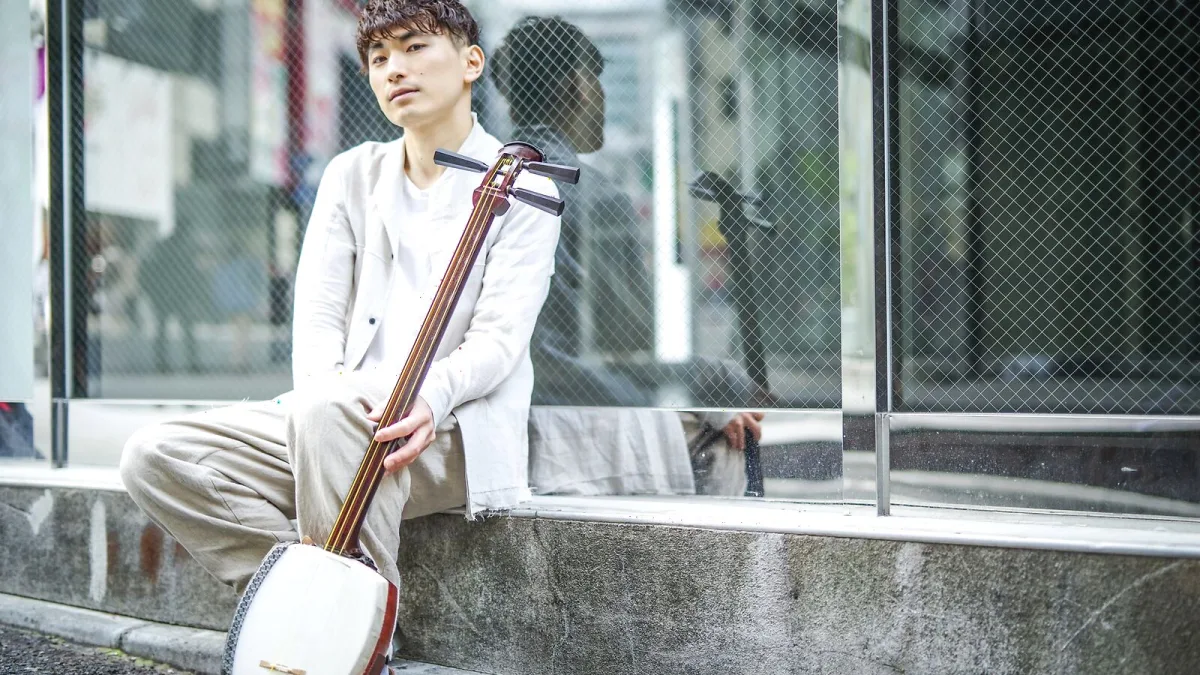
Tsugaru — the region at the northern tip of Honshu — has a particularly strong identity within the genre's regional colouring. The tsugaru shamisen (a percussive, aggressive style of playing the three-stringed lute) is associated with the area, and its sound has been incorporated into arrangements as a marker of northernmost Japan: harsh winters, isolation, endurance.
Songs that use Tsugaru imagery or instrumentation carry a particular emotional weight: the landscape is more extreme, the loneliness more physical. The regional specificity is not incidental decoration — it's part of what the song is saying.
Modern Pop Fusion
From the 1990s onwards, a strand began engaging more directly with contemporary pop production — digital arrangements, tighter rhythmic programming, production styles borrowed from J-pop. Kiyoshi Hikawa represents the most commercially successful example of this approach.
The vocal conventions remain: kobushi, vibrato, emotionally direct lyrics. But the sonic context is updated, and the visual presentation shifts toward a broader pop aesthetic. This is enka for audiences who grew up with contemporary pop but still respond to the direct emotional honesty of the older vocal tradition.
Critics debate whether this fusion dilutes or sustains enka. From a practical standpoint, it has kept the genre commercially viable and introduced it to new listeners.
Cross-Cultural Strand
Small in number of artists but significant in what it represents. Jero's 2008 debut for Victor Entertainment is the most discussed example: an American singer from outside the expected cultural context who learned the language, mastered the vocal technique and made a credible record in the tradition.
The question this strand poses is a useful one for understanding what the genre actually is: if a non-Japanese singer can perform convincingly, then identity must sit in the musical and vocal conventions rather than in ethnic or national background.
Enka in Karaoke Culture
This is less a subgenre than a performance context, but it deserves mention because it has genuinely shaped the genre. The karaoke version of enka tends to emphasise songs with clear melodic lines and enough ornamentation opportunity for a capable singer to express themselves without requiring exceptional technical preparation.
Some songs were written with karaoke performance in mind — and the existence of that context shaped which songs stayed in circulation and which emotional registers got the most cultural repetition.
Putting It Together
For classic ballad, start with Hibari Misora and Keiko Fuji. For folk-influenced recordings, listen to Michiya Mihashi. For modern pop fusion, try Kiyoshi Hikawa. For cross-cultural work, Jero's debut single is the essential document.
For a deeper introduction to the artists across all these strands, see the best enka artists. For a newcomer starting from scratch, the newcomer's guide maps out the first steps. For the full historical picture, the history of the genre shows how these different strands developed over time.




Comments