


Christian Music roundup
The Best Christian Music Artists to Know
A gospel legend, a stadium worship leader and a Christian rapper can all be Christian music artists. Here are the names worth knowing across every branch.
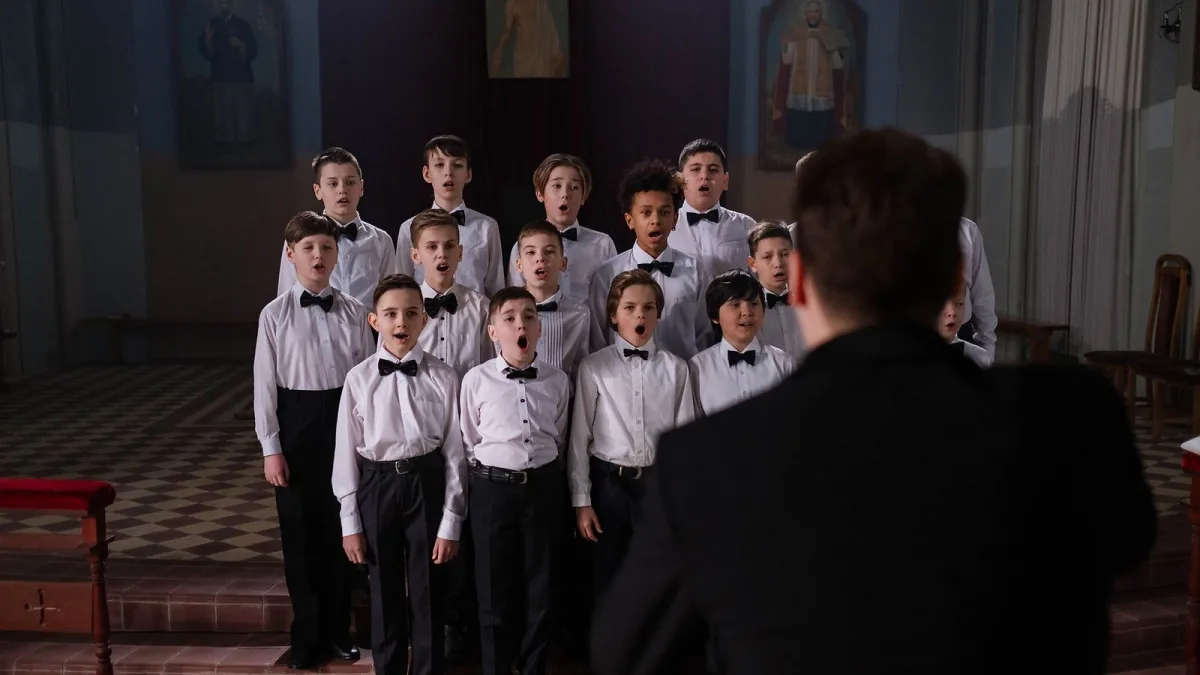
Ask ten people to name a Christian music artist and you'll get ten completely different answers — a gospel choir legend, a stadium worship leader, a Christian rapper, maybe an old CCM name their parents played in the car. That's not confusion, that's the point: Christian music artists span more styles than almost any other scene in pop. Here's a proper run-through of the names who actually built and shaped this world.
The trailblazers you should know first
Start with Thomas A. Dorsey, the former blues pianist who's widely credited as the architect of modern gospel songwriting — he's the reason gospel has that harmonic richness and swagger rather than sounding like a straight hymn. Mahalia Jackson took that sound to the whole world with a voice that made "gospel singer" mean something internationally recognised. And don't skip past Sister Rosetta Tharpe: her electric guitar playing didn't just belong to gospel, it fed straight into the birth of rock and roll, which makes her one of the most quietly influential guitarists of the twentieth century, full stop.
The names who built CCM
Larry Norman is the name most tied to Christian rock's beginnings, thanks partly to his 1969 record Upon This Rock and his blunt question, "Why should the devil have all the good music?" Keith Green brought a raw, confessional songwriting style to the same era, while Amy Grant became the genre's biggest crossover star, carrying Christian pop songwriting into the mainstream charts. Michael W. Smith and the band Petra kept building out the rock and worship side through the 1980s, laying groundwork that a whole generation of artists would build on.
Gospel's modern voices
Contemporary gospel didn't stop evolving once it left the church basement. Kirk Franklin fused choir arrangements with hip-hop and R&B production and became one of the genre's most recognisable modern figures. CeCe Winans has carried a classic gospel vocal tradition into decades of continued relevance, and Tasha Cobbs Leonard represents the current wave of urban contemporary gospel — big vocals, contemporary production, unmistakably gospel roots.
Worship leaders filling arenas
This is the corner of Christian music most likely to turn up on a Sunday morning anywhere in the world. Chris Tomlin has one of the most-sung back catalogues in congregational worship. Hillsong UNITED and Hillsong Worship turned a single Australian church's songwriting into a global standard, and Elevation Worship, Bethel Music and Maverick City Music have kept that congregational-anthem model evolving for a streaming-first audience. Newer names like Brandon Lake and Phil Wickham are proof the pipeline of major Christian music artists in this lane hasn't slowed down.
| Artist | Known for | Era |
|---|---|---|
| Mahalia Jackson | Defining voice of traditional gospel | Mid-20th century |
| Larry Norman | Early Christian rock landmark, Upon This Rock | Late 1960s–70s |
| Amy Grant | First major Christian-to-mainstream crossover star | 1980s onward |
| Kirk Franklin | Modern gospel/hip-hop fusion | 1990s onward |
| Chris Tomlin | Widely sung congregational worship songs | 2000s onward |
| Lecrae | Christian hip-hop's biggest crossover name | 2010s onward |
| Lauren Daigle | Christian pop with genuine mainstream reach | 2010s onward |
| Brandon Lake | Recent Billboard Hot 100 breakthrough | 2020s |
Beyond worship: rock, hip-hop and crossover
Not everyone in this world is on a stage with a microphone stand and a lyric screen behind them. Skillet took a proper rock and metal-adjacent sound to arena crowds well beyond the Christian market. Lecrae built genuine credibility inside mainstream hip-hop culture rather than alongside it, opening a lane that artists like Andy Mineo and Trip Lee have continued. TobyMac has spent decades bridging rap, pop and rock under one roof, and Lauren Daigle and Forrest Frank represent Christian pop's most recent run at genuine mainstream crossover — Forrest Frank's "Your Way's Better" reached the all-genre Billboard Hot 100 Top 40 in 2025, one of two Christian songs to do so that year.
Why the names matter more than the label
What links Thomas A. Dorsey to Brandon Lake isn't a shared sound at all — it's each artist bending a popular musical style of their own era around the same core subject matter. That's worth remembering next time someone tries to tell you Christian music is one thing. It's a whole family of scenes, and the Christian music artists above are the ones who've actually shaped it. For the fuller story behind these names, read our history of Christian music, or see how their work breaks down by style in our guide to Christian music subgenres.




Comments