


Americana article
Essential Americana Albums Explained
Not a chart, just the records that keep getting handed down between fans and musicians because they still hold up on a tenth listen.
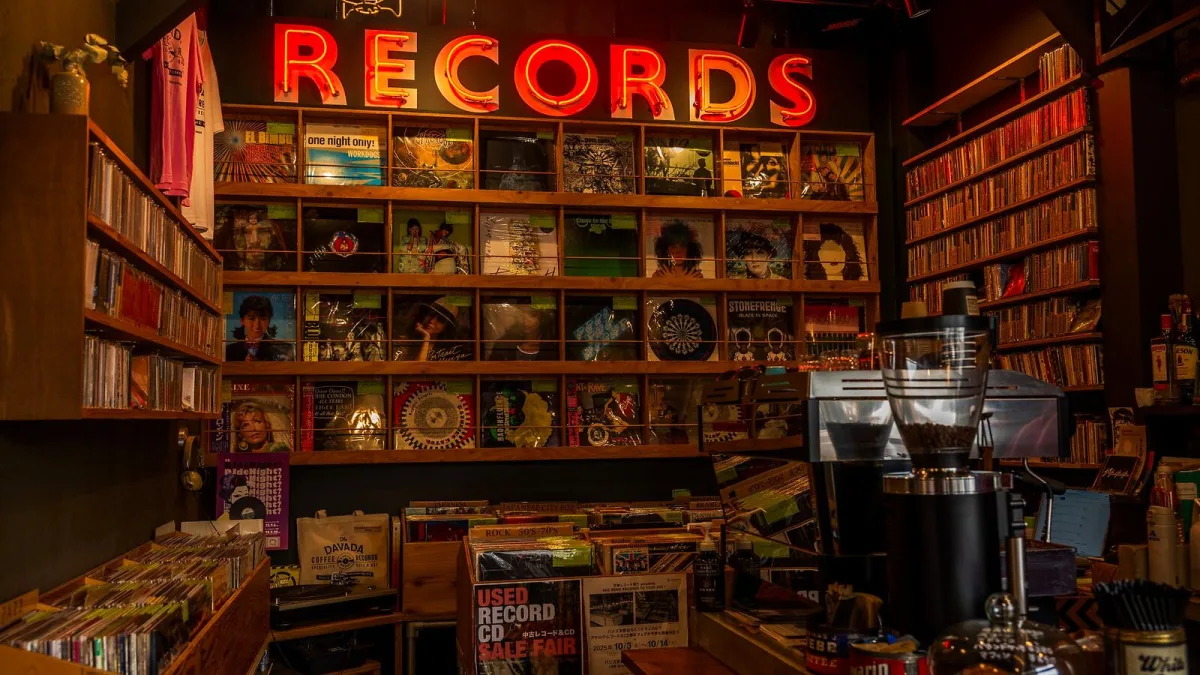
There's no official chart of essential Americana albums, and honestly, that's part of the point — this is a genre built by independent labels, self-booked tours and word of mouth rather than industry consensus. What follows isn't a ranking. It's a set of records that keep getting handed down between fans and musicians, because they still hold up on a tenth listen the way they did on the first.
How I Chose These
Every record below is widely and consistently cited by critics and by the artists who came after them, spanning the genre's different eras rather than clustering around one sound. I've left out anything I couldn't verify properly — no invented details, no guessed release years. If a fact isn't solid, it isn't here.
The Records That Built the Foundation
- The Band — Music from Big Pink (1968). Recorded by musicians who'd spent years as Bob Dylan's backing group, this record folded country, gospel, blues and rock into a warm, unhurried ensemble sound that barely resembles anything else from 1968.
- Gram Parsons — GP (1973) and Grievous Angel (1974). Parsons died before Grievous Angel was released, but together these two records, made with Emmylou Harris singing harmony, set the template for country-rock songwriting that still gets copied today.
- John Prine — John Prine (1971). His self-titled debut contains some of the plainest, most devastating songwriting in the whole genre, delivered without a trace of self-importance.
The Alt-Country Cornerstones
- Uncle Tupelo — No Depression (1990). Named after a 1936 Carter Family gospel recording, this scrappy debut effectively gave an entire movement its name once a magazine borrowed the title five years later.
- The Jayhawks — Hollywood Town Hall (1992). Built on close vocal harmonies over roots-rock instrumentation, it remains a model for how to make twang sound genuinely tender.
- Son Volt — Trace (1995). Formed from Uncle Tupelo's wreckage, Jay Farrar's band kept the rougher, more traditionalist half of that sound alive here.
- Wilco — Yankee Hotel Foxtrot (2002). Dropped by its original label before release and put out by Nonesuch instead, this record pushed roots-rock songwriting into genuinely strange, layered production — and became a bigger success for it.
What Actually Counts as an Americana Album?
This is where things get genuinely blurry, and I'd rather admit that than pretend otherwise. A record can be filed under country, folk, roots rock or even soul in one shop and Americana in another, depending on the label, the era or which festival the artist plays. What tends to separate a genuine Americana album from a merely country or folk one is a sense of deliberate blending — you can usually hear more than one older tradition working in the same song, rather than one style played straight.
That's also why a good list of Americana albums resists being too tidy. Some of the records below lean acoustic and intimate; others arrive with a full electric band and drums. Both belong here, provided the roots are audible underneath the production.
Modern Americana Albums Worth Your Time
| Album | Artist | Year | Why It Matters |
|---|---|---|---|
| Car Wheels on a Gravel Road | Lucinda Williams | 1998 | Won a Grammy for Best Contemporary Folk Album and remains a benchmark for lived-in, unhurried songwriting. |
| Wrecking Ball | Emmylou Harris | 1995 | Produced by Daniel Lanois, it proved a country legend could sound genuinely modern without losing herself. |
| Time (The Revelator) | Gillian Welch | 2001 | Stark, old-time-rooted songwriting that trusts space and silence as much as melody. |
| Southeastern | Jason Isbell | 2013 | A raw, autobiographical breakthrough that reset expectations for what solo Americana songwriting could do. |
| Midwest Farmer's Daughter | Margo Price | 2016 | Released on Jack White's Third Man Records, it channels classic country phrasing through hard-won personal experience. |
| Purgatory | Tyler Childers | 2017 | Produced by Sturgill Simpson, it brought Appalachian language into fully contemporary country songwriting. |
| Metamodern Sounds in Country Music | Sturgill Simpson | 2014 | Traditional country structure bent through psychedelic and progressive touches, without losing its country bones. |
If You Only Have Time for Three
Pressed to choose just three Americana albums for someone starting from nothing, I'd point them towards Music from Big Pink for the foundation, No Depression for the moment the genre found its rougher modern voice, and Southeastern for where the songwriting tradition stands today. That's not a definitive answer — just an honest one, and a route through five decades in three stops.
Keep Exploring
Every one of these records comes from an artist worth knowing on their own terms, and our guide to the best Americana artists to know gives each of them more room. If you'd rather sample individual tracks before committing to a full record, see our list of essential Americana songs. And for the bigger picture of how alt-country, outlaw country and the rest connect, our guide to Americana subgenres is a natural next stop, alongside the full history of Americana behind these releases.
The Bottom Line
None of these Americana albums need a marketing push to justify themselves — they've earned their reputations the slow way, through musicians recommending them to other musicians. Start wherever your ear pulls you, and trust that the rest of the list will still be waiting.




Comments