


Americana article
Americana Subgenres, Explained
Americana isn't one sound - it's several older traditions sharing a roof. Here's every subgenre named plainly, with no jargon left unexplained.
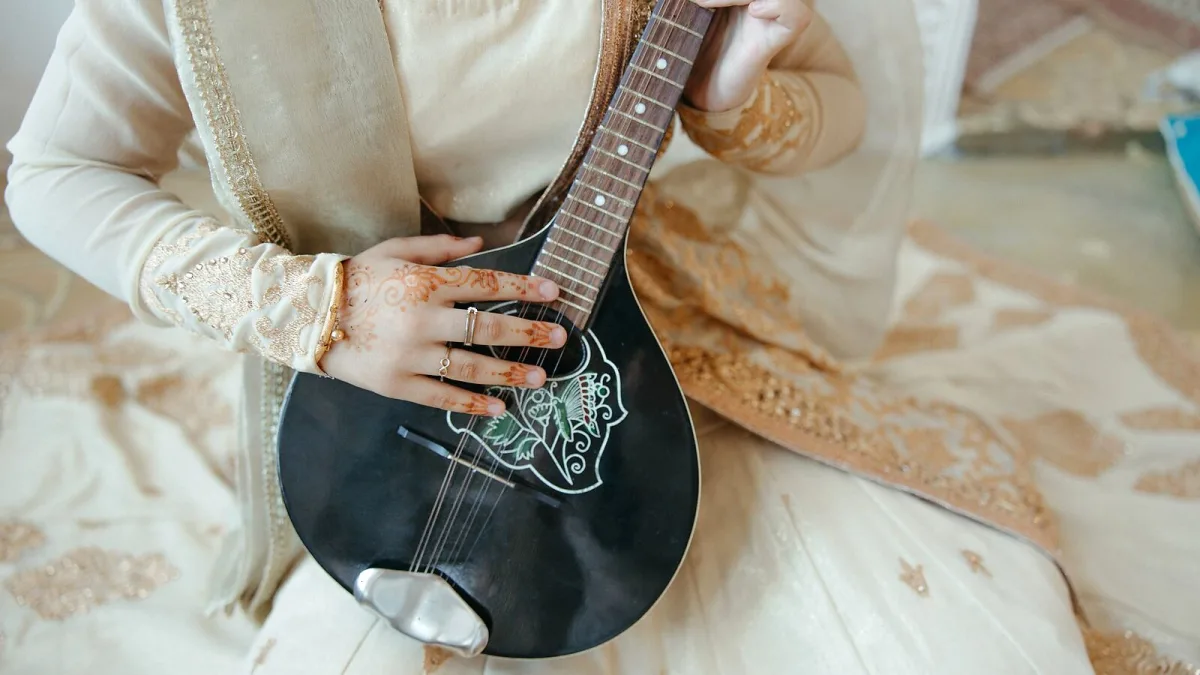
Nobody hands you a map when they tell you to go and listen to Americana, and that's half the confusion right there. It isn't one sound — it's several older traditions sharing a roof. Once you can actually name the different Americana subgenres, the whole thing stops feeling vague and starts making a lot more sense. Here's the breakdown, no gatekeeping, no jargon left unexplained.
Alt-Country
This is the rougher, more rock-leaning end of the family. In the late 1980s and early 1990s, bands like Uncle Tupelo, and later Son Volt and Wilco, took mainstream country's instrumentation and ran it through a punk and indie-rock attitude — louder, scrappier, less concerned with radio polish. The Jayhawks brought a gentler, harmony-driven version of the same idea. If you like your roots music with some grit still on it, this is usually the door people walk through first.
Country Rock and Roots Rock
A slightly earlier strand, this one grew out of the late 1960s, when Gram Parsons, The Band, Neil Young and Emmylou Harris started treating country songwriting and rock band arrangements as compatible rather than opposed. It's less confrontational than alt-country and more interested in blending than colliding. More recently, bands like Drive-By Truckers have carried a Southern rock-inflected version of this same idea forward, with sharper political edges.
Outlaw Country's Legacy
Technically its own thing, outlaw country left a permanent mark on every Americana subgenre that followed it. Its whole premise was rejecting Nashville's polished studio system in favour of rougher production and artists keeping creative control over their own records. Steve Earle picked up that same attitude a bit later and pointed it at rock energy and direct political songwriting, which is really the throughline connecting outlaw country to almost everything alt-country did afterwards.
Bluegrass-Leaning Americana
Bluegrass itself, as codified by Bill Monroe, is a distinct genre with its own strict instrumental vocabulary — banjo rolls, mandolin chop, a driving acoustic rhythm. But plenty of contemporary artists borrow its technique without playing it straight. Billy Strings takes bluegrass picking into improvisational, almost rock-like territory, while The Avett Brothers fold banjo and mandolin into arrangements that also carry folk and rock energy. Both count as genuinely bluegrass-adjacent Americana subgenres rather than bluegrass proper.
Gospel and Soul-Inflected Americana
This strand leans on vocal intensity, close harmony and organ-driven arrangements borrowed from church music and soul traditions. Ray Charles demonstrated decades ago just how naturally country, blues, gospel and soul actually sit together. More recently, Rhiannon Giddens has drawn on old-time music, African American musical history and opera training alike, which is exactly the kind of cross-pollination that makes this corner of the genre so rewarding — and such an important corrective to any version of this history that leaves Black musicians out of it.
Appalachian and Old-Time Roots
Go back far enough and you hit fiddle tunes, modal melodies and communal, front-porch performance traditions passed down without sheet music. Tyler Childers writes directly out of this Appalachian language, updated for contemporary country songwriting, proving the oldest strand on this list is also one of the most alive right now.
A Quick Reference
If you'd rather skim than read six sections in full, here's the same breakdown of Americana subgenres in table form:
| Subgenre | Sound | Key Names |
|---|---|---|
| Alt-country | Rougher, rock-adjacent country | Uncle Tupelo, Son Volt, Wilco |
| Country rock / roots rock | Country songwriting inside rock arrangements | Gram Parsons, The Band, Emmylou Harris |
| Outlaw country legacy | Raw production, artist-led control | Steve Earle |
| Bluegrass-leaning | Acoustic virtuosity, updated for modern audiences | Billy Strings, The Avett Brothers |
| Gospel and soul-inflected | Harmony, organ, church-derived phrasing | Ray Charles, Rhiannon Giddens |
| Appalachian / old-time | Fiddle, modal melody, communal tradition | Tyler Childers |
Why Bother Learning These Labels at All
Fair question, and I've asked it myself after too many nights arguing about genre names at a merch table. The honest answer is that knowing these Americana subgenres saves you time. If a friend says they love the rowdier, punk-adjacent side of things, you point them at alt-country. If they want harmony-driven country-rock, that's a different shelf entirely. It's not about gatekeeping who counts as a real fan — it's just a faster way to find the next record you'll actually like.
Why the Lines Blur on Purpose
Here's the honest bit: the Americana Music Association's own definition describes the genre as living “apart from the pure forms” of the styles it draws on, which is a polite way of saying the boundaries are meant to be loose. Most artists don't sit neatly in one box from this list — Rhiannon Giddens moves between old-time and gospel-soul territory within a single record, and Tyler Childers pulls Appalachian phrasing into what's otherwise a country-rock arrangement. Treat these Americana subgenres as useful vocabulary, not a filing system with hard walls.
Go Deeper
For the full story of how these strands developed over time, read our history of Americana. To put names and records to everything above, see our guide to the best Americana artists to know and our list of essential Americana albums, explained. Brand new to all this? Our beginner's guide to Americana is the better starting point.






Comments