


Cloud Rap article
A Beginner's Guide to Cloud Rap
A complete guide to cloud rap: its hazy atmospheric sound, origins in early 2010s internet rap, production characteristics, lyrical themes and lasting influence.
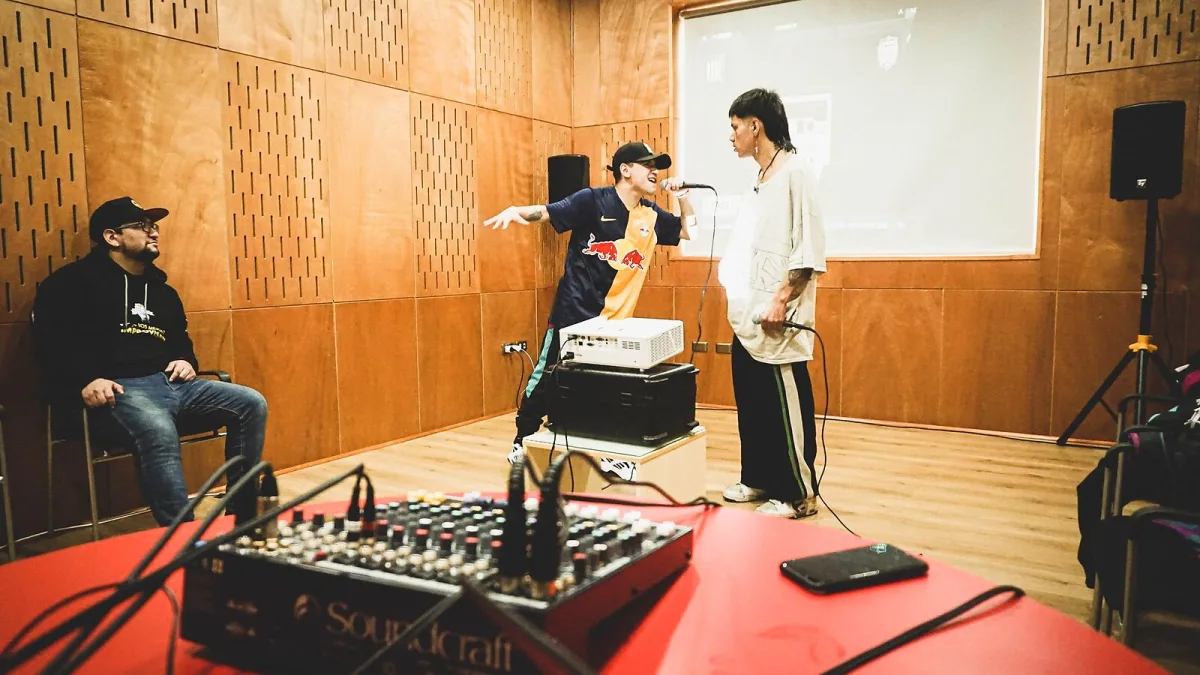
Cloud rap is a subgenre of hip hop characterised by hazy, atmospheric production, minimalist beats and introspective or surrealist lyrical themes. It emerged from American rap communities online around 2010 to 2012, initially associated with producers and artists working in the American South and later spreading through internet culture globally. The sound prioritises mood over technical complexity, using washed-out synthesisers, slow tempos, distant-sounding 808 bass and reverb-heavy vocals to create a dreamlike, dissociative texture.
Origins and Context
The term gained currency through the Tumblr-era internet rap scene, where artists self-released music on platforms including SoundCloud, Bandcamp and YouTube. Lil B, based in Oakland and prolific on Myspace and SoundCloud, is frequently cited as a foundational figure, though he resists easy categorisation. SpaceGhostPurrp, a Florida producer and rapper, was instrumental in developing the production aesthetic through his Raider Klan collective in the early 2010s. The style soon attracted wider attention when A$AP Rocky incorporated its production style into mainstream-facing releases.
Production Characteristics
A cloud rap beat typically uses slow to mid-tempo drum programming — often around 70 to 90 BPM — with 808 kick drums, sparse hi-hat patterns and deep sub-bass. The sonic texture emphasises space and reverb; individual elements sound distant and diffuse rather than punchy and present. Synthesiser chords or pads create a sustained, ambient backdrop. Sampling from ambient music, new age recordings and film scores is common, and the overall palette evokes haze, night-time and introspection rather than energy and aggression.
Lyrical Approach
Lyrics in cloud rap lean toward introspection, depression, alienation and drug use, often delivered in a loose, conversational or deliberately monotone style. Surrealist imagery and non-sequitur associations are common. The emotional register is frequently melancholic or numbly detached. This contrasts with the aspirational materialism and aggressive delivery of much contemporary mainstream rap, positioning cloud rap as a countercultural or underground alternative.
Influence and Legacy
Cloud rap influenced a broad range of subsequent hip hop styles. The aesthetic fed directly into the emo rap and SoundCloud rap scenes of the mid-to-late 2010s, with artists such as Lil Peep and XXXTentacion drawing on its atmospheric production and emotional frankness. Its lo-fi, bedroom-recording aesthetic also parallels developments in lo-fi hip hop as a listening genre. The sound remains active and continues to be developed by new artists internationally.
For key artists, see the artist guide. For essential albums, see the albums guide.


Comments