


Outlaw Country article
Outlaw Country Subgenres, Explained
Outlaw country is not a single sound. Several distinct strands grew from or alongside it, each with its own regional identity and artistic priorities.
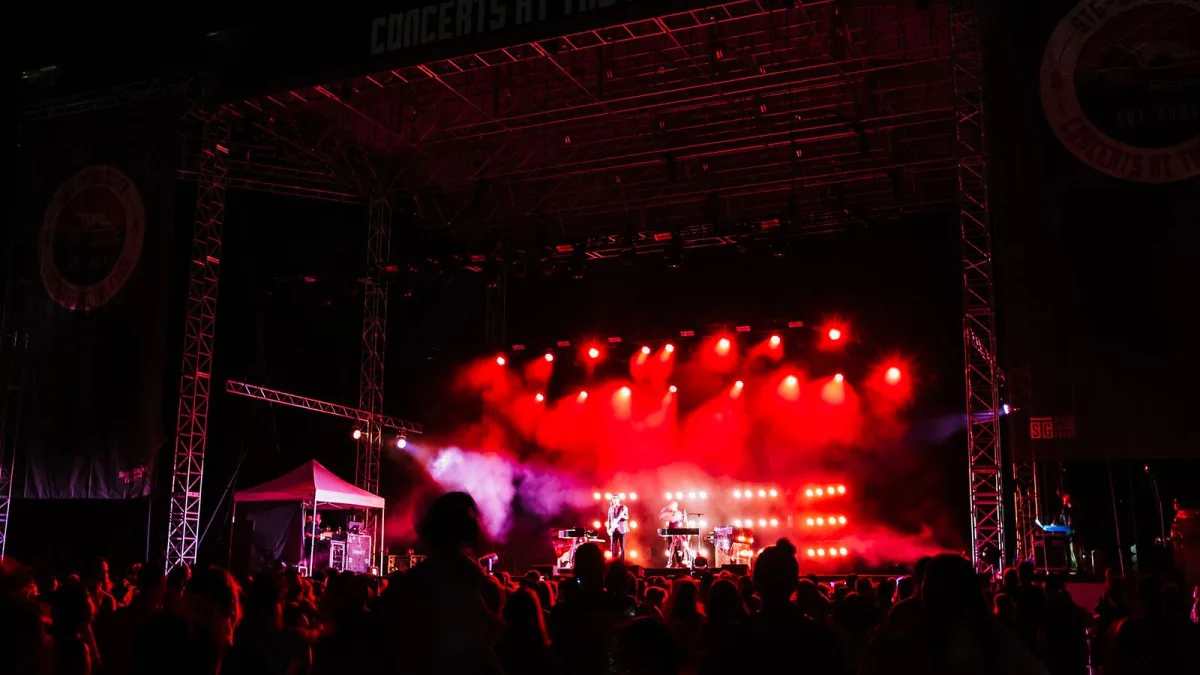
Outlaw country is not a monolithic sound. Within the movement and in the decades following it, distinct strands developed with their own regional flavours, production approaches and artistic priorities. Here is a breakdown of the key related traditions.
Texas Progressive Country
The Austin music scene that developed alongside outlaw country in the early 1970s produced a related but distinct tradition known as Texas progressive country, or simply progressive country. Artists like Jerry Jeff Walker, Guy Clark, Townes Van Zandt and Michael Martin Murphey were associated with this scene. The music was more folk-influenced than the Jennings/Nelson strand, with stronger emphasis on literary songwriting and less interest in commercial country formats. Van Zandt in particular is considered one of the great American songwriters of his era, though commercial success eluded him during his lifetime. See our artist guide for the core figures.
Red Dirt
Red Dirt is a Texas and Oklahoma-based tradition that emerged in the 1980s and 1990s, taking its name from the red clay soil of eastern Oklahoma. It draws directly on outlaw country's values — independence from Nashville, singer-songwriter emphasis, stripped production — while incorporating Southern rock and blues influences. Artists like Cross Canadian Ragweed, Jason Boland and the Stragglers, and Turnpike Troubadours are central figures. The Red Dirt scene is largely independent of major label support and has maintained a regional grassroots following for decades.
Americana
Americana is a broader category that emerged in the 1990s to describe roots-based American music outside the mainstream country, rock and folk categories. It encompasses outlaw country's descendants alongside artists working in country rock, folk, blues and bluegrass traditions. The Americana Music Association was established in 1999 to provide infrastructure for the scene. Outlaw country's values of independence and authenticity are central to Americana's identity.
Alternative Country and No Depression
Alternative country — sometimes called alt-country — developed in the late 1980s and 1990s, with roots in the outlaw country tradition filtered through punk rock's DIY ethic. Uncle Tupelo, Wilco, Son Volt and the Jayhawks are the key figures. The fanzine No Depression, named after a Carter Family song, documented the scene. This outlaw country-influenced strand fed directly into the indie rock world and produced some of the most critically admired American music of the 1990s. For the historical context, see our history guide.




Comments