


Outlaw Country article
A Beginner's Guide to Outlaw Country
Outlaw country emerged in the early 1970s as a rejection of Nashville's polished sound. Here is everything a beginner needs to know.
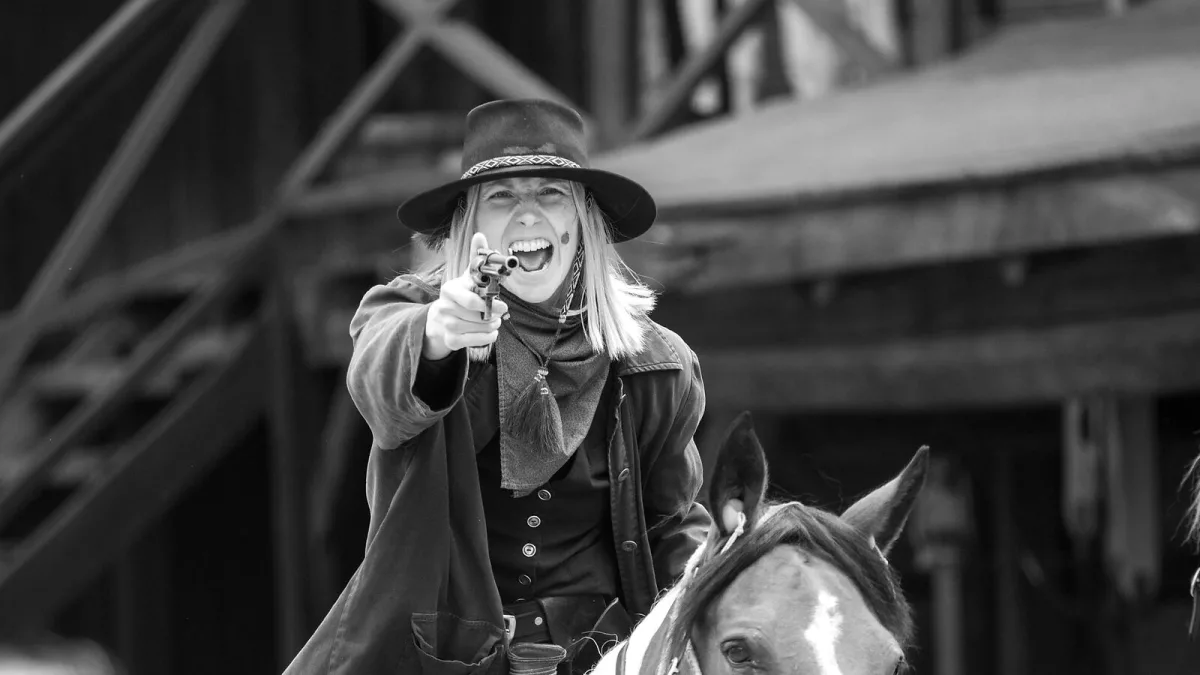
Outlaw country emerged in the early 1970s as a deliberate rejection of the polished, orchestrated Nashville Sound that had come to dominate mainstream country music. Where Nashville favoured lush string arrangements and a smooth commercial finish, outlaw country was raw, personal and rooted in the singer-songwriter tradition. Understanding it means understanding why a group of artists decided to do things their own way.
What Defines the Genre
The defining qualities of outlaw country are stripped-back production, honest lyric writing and a rejection of the music industry's control over how an artist should sound. Artists in this tradition typically wrote or co-wrote their own material — then unusual for mainstream Nashville — and fought for the right to produce their own records. The music draws heavily on blues, rock and traditional honky-tonk, and the lyrics engage with themes of freedom, hard living and authenticity.
Key Artists to Know
Willie Nelson and Waylon Jennings are the central figures. Nelson moved to Austin after Nashville rejected his approach, and his stripped acoustic production on records like Red Headed Stranger (1975) defined what the genre could be. Jennings fought for and won creative control from RCA, resulting in records that sound like nothing else in commercial country. Kris Kristofferson arrived as a songwriter first, providing material for others before recording his own albums. Merle Haggard, though not always labelled an outlaw, shares the same independent ethos. See our artist guide for a fuller breakdown.
Where to Begin Listening
The 1976 compilation Wanted! The Outlaws, featuring Nelson, Jennings, Jessi Colter and Tompall Glaser, was the first country album to go platinum and remains the best single introduction to the outlaw country movement. From there, Nelson's Red Headed Stranger and Jennings' Honky Tonk Heroes (1973) are essential. For a guide to the key albums, see our albums guide.





Comments