


Ambient Drone article
Ambient Drone for Newcomers: Where to Start
Coming to the genre for the first time? Here is how to approach it, what to listen to first, and how to get past the initial strangeness.
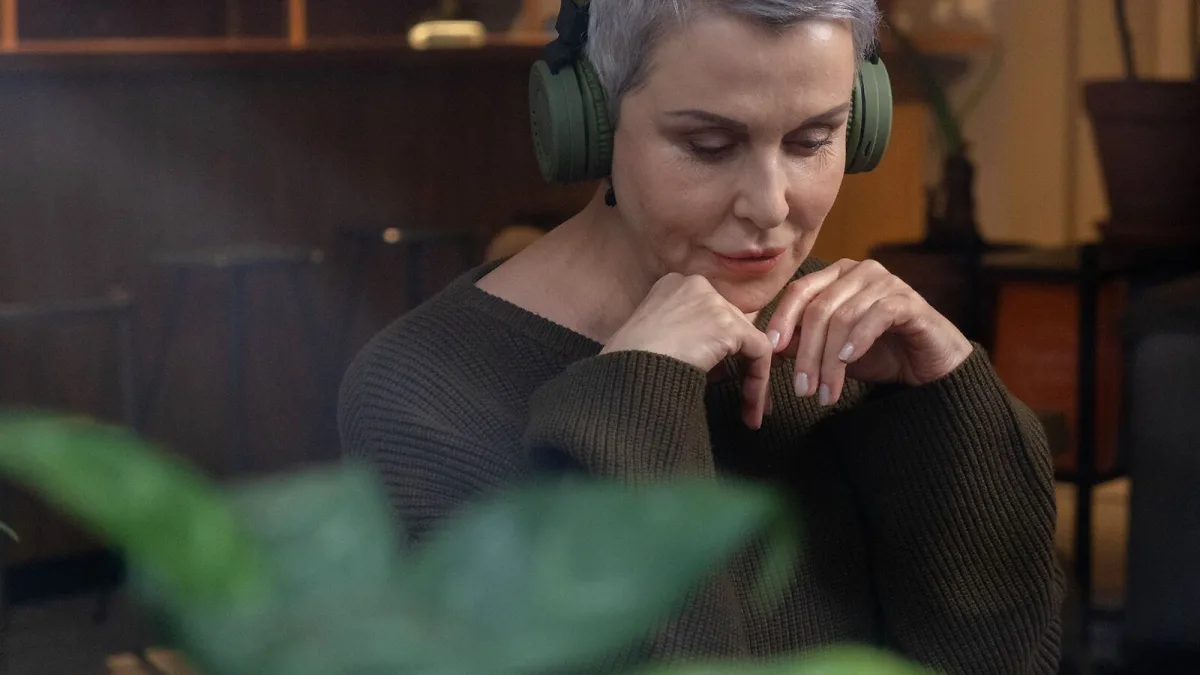
Coming to ambient drone for the first time can feel like standing at the edge of a very quiet ocean. Nothing announces itself. There are no hooks, no lyrics, no chorus. If you approach it the way you approach most music, you will probably feel like nothing is happening. But this is exactly the wrong frame. Here is how to find your way in.
Start with Brian Eno’s Ambient 1: Music for Airports
This is the entry point that has worked for more people than any other. Released in 1978, it uses looping piano and synthesizer in a way that is genuinely accessible without being shallow. Track one, 1/1, runs to 17 minutes and rewards a full, uninterrupted listen. Do not have it on in the background while doing something else the first time. Sit with it. You are learning a new way of listening, not just trying a new sound.
Give Each Piece More Time Than You Think It Needs
Ambient drone works on a timescale that is different from almost any other recorded music. The interesting things — the shifts in texture, the slow movement of overtones, the change in spatial depth — happen over minutes rather than seconds. A piece you write off in the first three minutes might open up completely by the ten-minute mark. This is not a flaw. It is the point of the form.
Choose Your Mood Carefully
Not all ambient drone is restful. The spectrum runs from warm synthesizer music you could sleep to all the way to confrontational noise and heavy guitar drones. For a first listening session, choose something at the calmer end. The Cryo Chamber catalogue offers a range of moods: start with ProtoU or Forest Management for something atmospheric and immersive rather than threatening. Save Merzbow and the heavier end for when you have more context.
A Recommended Listening Order for Newcomers
- Brian Eno — Ambient 1: Music for Airports (1978)
- Harold Budd and Brian Eno — The Plateaux of Mirror (1980)
- Forest Management — a recent release on his Bandcamp
- ProtoU and Dronny Darko — Sputnik (Cryo Chamber)
- Éliane Radigue — Kyema from Trilogie de la Mort
- Earth — Earth 2 (1993)
This order moves from the most accessible ambient drone material to progressively more demanding territory. The Radigue and Earth records are genuinely challenging on a first encounter but worth working toward.
Try Making a Drone
The fastest way to understand ambient drone music is to make five minutes of it. Open a DAW or even GarageBand. Find a pad sound. Set a long reverb. Hold a chord or a single note. Add a very slow filter movement. Listen to what the sound does. You will quickly grasp the compositional values involved — the patience, the focus on texture, the willingness to let things develop slowly. Understanding the craft changes the listening.
Use Context
Ambient drone music responds to the environment you listen in. Late night, low light, headphones — these conditions change what the music does. The same record that seems colourless in a busy afternoon might feel completely absorbing at midnight. Give it the right context before deciding it is not for you.
Where to Go Next
Once you have a foothold, our artists guide will help you find the figures who matter most. Our subgenres guide explains the different directions the music takes. Our current tracks page has a practical shortlist. Our essential albums page covers key records in depth. And our history article provides the full context behind what you are listening to.


Comments