


Indie Rock roundup
The Best Indie Rock Artists to Know
Not a Top 10, a working map — grouped by what each act actually contributed, so you come away knowing why each name matters.
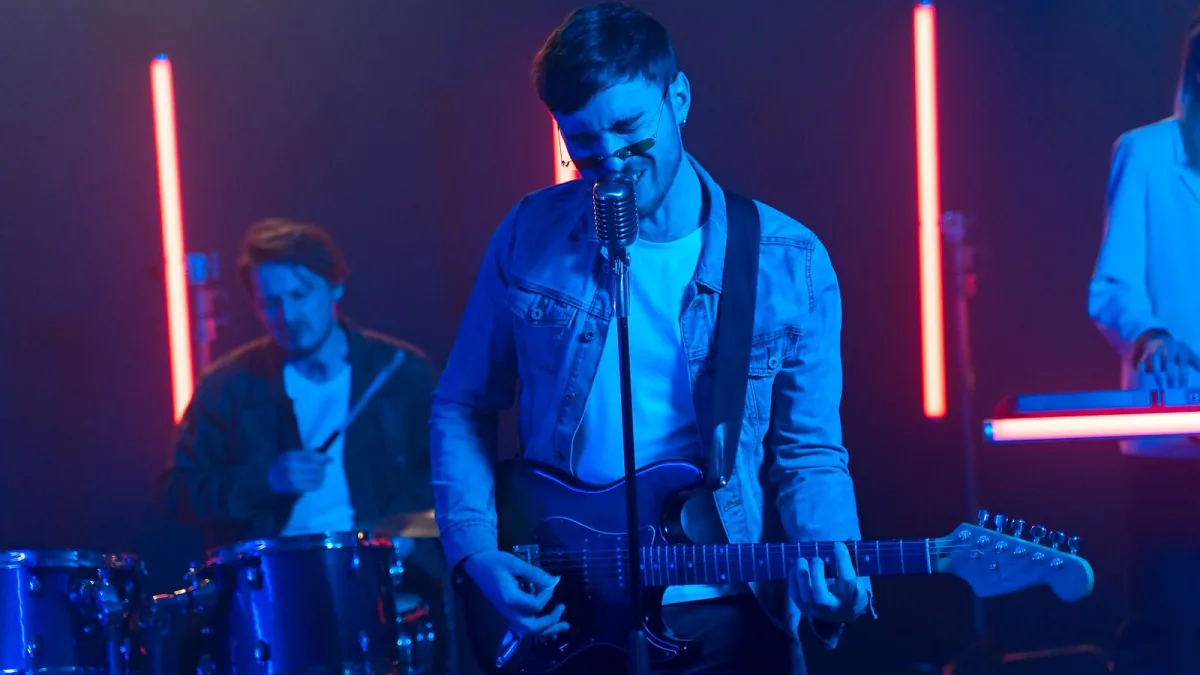
Right, let's not mess about with an indie rock Top 10 that pretends these bands are in some kind of competition. That's not how this works. What follows is a working map of who actually built the sound, grouped by what they contributed — so you come away knowing why each name matters, not just that it's on a list.
The Ones Who Started It
- Buzzcocks — put out their Spiral Scratch EP themselves in 1977, giving the whole indie rock movement its founding proof of concept: you didn't need a major label's permission.
- R.E.M. — the band that proved college radio could carry an act all the way from the underground to genuine mainstream success, without sanding off what made them interesting.
- The Smiths — jangly guitars, literate and emotionally sharp lyrics, and a template for melodic British guitar music that's still being copied now.
- Violent Femmes — stripped-back, acoustic and percussive, proof the sound never needed distortion pedals to hit hard.
The Ones Who Made It Weirder
- Sonic Youth — alternate tunings, feedback as a genuine musical tool, and a guitar vocabulary that opened doors most bands didn't know existed.
- Pixies — the quiet-loud-quiet dynamic that half of alternative rock has borrowed since, wrapped around lyrics that never explained themselves.
- Hüsker Dü — took hardcore's speed and intensity and welded proper melody onto it, which shouldn't have worked as well as it did.
The 90s Underground, in Full
- Pavement — loose, unpolished performances and lyrics that felt tossed off but landed exactly where they needed to; arguably the most influential American band of the decade in this lane.
- Guided by Voices — home recording turned into an art form, churning out concise, hooky songs with genuinely lo-fi production and no shame about it.
- Neutral Milk Hotel — unconventional arrangements and lyrics that hit harder emotionally than production this rough had any right to.
- Sleater-Kinney — angular guitar interplay and direct, unflinching songwriting, tied into the wider riot grrrl and independent-rock network.
The Ones Who Took It to the Mainstream
- Radiohead — started in alternative and indie territory before pulling in electronic textures and art-rock ambition, dragging a huge audience along with them.
- The Strokes — led the early-2000s guitar revival practically single-handedly, reintroducing scuffed-up post-punk energy to a mainstream that had mostly forgotten about it.
- Interpol and Yeah Yeah Yeahs — rode the same early-2000s wave with their own distinct takes, one moody and post-punk-leaning, the other raw and confrontational.
- Arcade Fire — went orchestral and anthemic when everyone else was going smaller, and somehow made it work at festival scale.
- Vampire Weekend — folded African pop, chamber-pop and ska into a sound that shouldn't have hung together as neatly as it did.
- Alvvays — proof the melodic, dreamier end of the spectrum never went away, it just found new hands to carry it.
Why This Indie Rock Grouping, Not a Ranking
Ranking these acts against each other misses what actually matters here — they weren't competing for the same audience or even making the same kind of music half the time. What connects Buzzcocks to Vampire Weekend isn't a sound, it's an attitude: work outside the formula, answer to yourselves first. Our full history of indie rock traces exactly how each generation here fed into the next, and if you want specific records to actually put on, our essential albums guide is the natural next stop.
New to This? Start Here
If half these names are new to you, don't panic and don't feel like you need to work through them in order. Our newcomer's guide picks out a genuinely manageable starting point, and once you're hooked, our breakdown of the genre's subgenres explains why some of these bands sound nothing alike despite getting filed under the same label.




Comments