


Indie Rock article
Essential Indie Rock Albums Explained
Not a definitive ranking, a listening map. Put these on in order and you'll hear the whole story of the genre unfold.
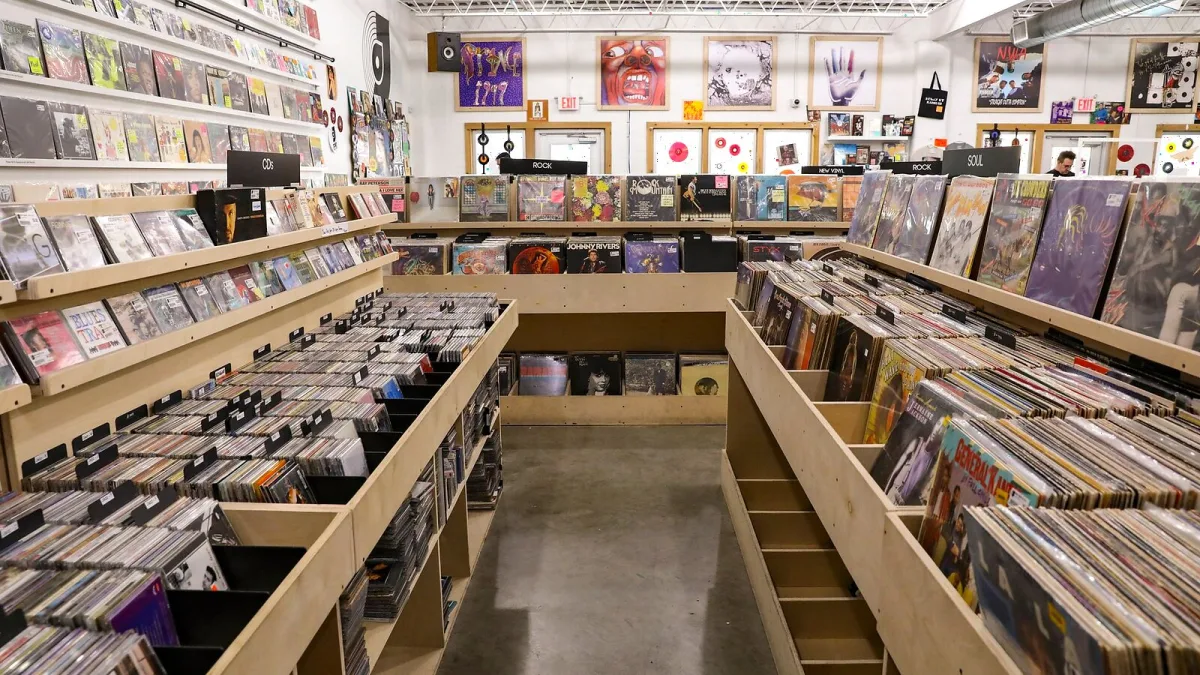
Lists like this always get argued about in the comments, so let's be upfront: this isn't a definitive ranking, it's a listening map. Every record below actually moved the genre somewhere it hadn't been before. Put them on in order and you'll hear the whole story unfold.
How I'm Defining "Essential" Here
No single canon of great indie rock albums exists, and anyone who tells you otherwise is selling something. What follows is editorial, not scientific — records picked for genuine influence and variety rather than personal nostalgia. If a favourite of yours is missing, that's a fair complaint; this is a starting point, not the last word.
The Foundational Records
| Album | Artist | Year | Why it matters |
|---|---|---|---|
| Murmur | R.E.M. | 1983 | Proved a jangly, mumbled, deeply American guitar record could travel from college radio to genuine mainstream attention. |
| The Queen Is Dead | The Smiths | 1986 | Sharp, literate songwriting over some of the most instantly recognisable jangling guitar work British music has produced. |
| Doolittle | Pixies | 1989 | The quiet-loud-quiet template half of alternative rock has been quietly borrowing from ever since. |
The 90s Underground Essentials
| Album | Artist | Year | Why it matters |
|---|---|---|---|
| Daydream Nation | Sonic Youth | 1988 | Alternate tunings and feedback treated as genuine songwriting tools rather than noise for its own sake. |
| Slanted and Enchanted | Pavement | 1992 | Loose, scrappy, and arguably the single most influential lo-fi indie rock record of the decade. |
| In the Aeroplane Over the Sea | Neutral Milk Hotel | 1998 | Unconventional arrangements wrapped around lyrics with a rawness that still catches people off guard decades on. |
The 2000s Breakthroughs
| Album | Artist | Year | Why it matters |
|---|---|---|---|
| Is This It | The Strokes | 2001 | Kicked off the early-2000s guitar revival almost single-handedly, reviving post-punk energy for a new generation. |
| Funeral | Arcade Fire | 2004 | Orchestral and anthemic when the trend was going smaller, and it somehow worked at festival scale. |
| Vampire Weekend | Vampire Weekend | 2008 | Folded African pop, chamber-pop and ska into a self-titled debut that shouldn't have hung together as neatly as it did. |
What These Nine Records Actually Show You
Line them up and you can hear the genre arguing with itself across three decades. Murmur and The Queen Is Dead are proof that jangly, melodic guitar pop was there from the start, right alongside Daydream Nation's deliberate noise and detuned strings. Slanted and Enchanted and In the Aeroplane Over the Sea show how far a record can go on scrappy, imperfect production if the songwriting underneath is strong enough — a lesson plenty of bedroom artists still lean on today. Then Funeral and Vampire Weekend show the opposite instinct at work: ambition, orchestration, and a willingness to pull in influences from well outside guitar music entirely.
None of that variety is an accident. It's the whole point of the genre — there was never a single rulebook dictating how these records were supposed to sound, only a shared instinct to do things on the artist's own terms.
A Note on What Didn't Make the Cut
Nine records can't cover fifty years of a genre this sprawling, and plenty of strong arguments exist for other albums entirely. That's not a flaw in the exercise — any list of essential indie rock albums is inherently a matter of editorial judgement rather than an objective ranking, and treating it as gospel misses the point. Use this as a genuine starting point, not a finished, closed canon.
A Few More Worth Your Time
Once you've worked through the nine above, these round the picture out further — different scenes, different decades, still unmistakably part of the same story:
- OK Computer — Radiohead (1997), the record where a band rooted in alternative and indie territory pulled in enough ambition and electronic texture to redraw what a guitar album could sound like.
- Turn on the Bright Lights — Interpol (2002), moody, post-punk-indebted and released right alongside the Strokes' breakthrough, but doing something noticeably darker with the same source material.
- The Moon & Antarctica — Modest Mouse (2000), sparse and strange in a way that helped set up the more expansive, ambitious indie rock the mid-2000s would run with.
How to Actually Use This List
Don't try to swallow all nine records in one sitting — you'll flatten everything that makes them distinct from each other. Pick one from each era, or one you've genuinely never heard, and give it a proper, undistracted listen before moving on. That's a far better way into essential indie rock albums than treating this like homework.
Where to Go From Here
If some of these artists were entirely new names to you, our guide to the best indie rock artists to know puts each one in proper context, and our history piece traces exactly how these three eras connect. Once you've got the albums down, our roundup of essential individual tracks is the natural next stop for a quicker way in.





Comments