


House Music roundup
The Best House Music Artists to Know
House music was built by DJs and producers solving a practical problem: how to keep a room dancing until sunrise. These are the names behind that graft.
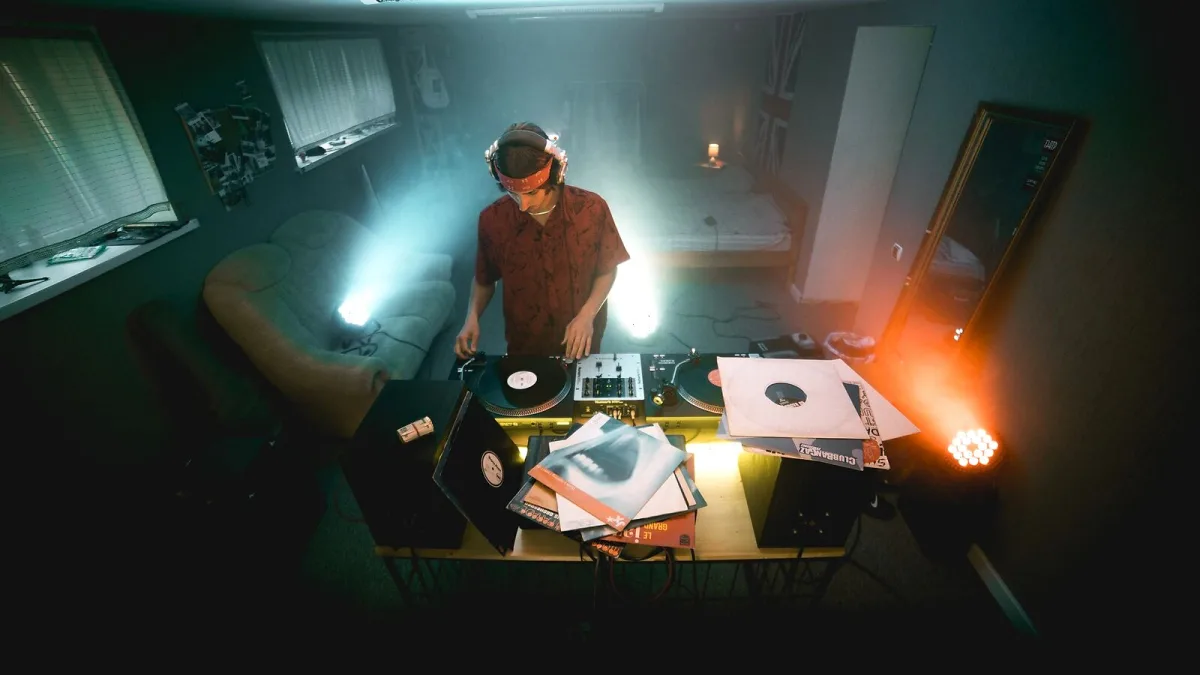
Nobody builds a genre alone, whatever the magazine headlines might tell you. House music came out of clubs, not boardrooms, and the names below are the ones who were actually in the room doing the graft — behind the decks, hunched over a drum machine, or running a label on no money and a lot of nerve. Know these names and the rest of house music's story starts making sense.
The Chicago Originals
Start where the genre started. Frankie Knuckles was the Warehouse's resident DJ through the late 1970s and early 1980s, re-editing disco and soul records into something new for his crowd — work important enough that he's routinely called the "Godfather of House," even though he'd probably have told you it took more than one person. Across town at the Music Box, Ron Hardy ran a rawer, riskier night, unafraid to push a record past where anyone expected it to go. Jesse Saunders is credited with "On and On," widely considered one of the earliest genuine house records — proof the whole thing started as DIY, not industry.
The Producers Who Wrote the Blueprint
A few producers turned club energy into records that are still studied today. Marshall Jefferson made "Move Your Body" for Trax Records in 1986, a piano-driven anthem so influential the Recording Academy credits it as the first house track to put piano front and centre. Larry Heard, working as Mr. Fingers, released "Can You Feel It" around the same period, built on a Roland TR-909 drum machine and a Juno-60 synth, and essentially invented deep house's warmer, jazzier sound in the process. Then there's DJ Pierre, part of the group Phuture, who got hold of a Roland TB-303 bass synth, found it squelched in a way nobody intended, and turned that happy accident into "Acid Tracks" — the record that gave acid house its name.
Who Made the Sound and Who Made It Work
| Artist | Known for | Why they matter |
|---|---|---|
| Frankie Knuckles | The Warehouse residency | Widely credited with shaping house's early identity |
| Marshall Jefferson | "Move Your Body" | Piano house's defining early anthem |
| Larry Heard / Mr. Fingers | "Can You Feel It" | Laid the groundwork for deep house |
| DJ Pierre / Phuture | "Acid Tracks" | Created acid house almost by accident |
| Kerri Chandler | Deep house production | Kept the warm, soulful strand alive for decades |
The Labels That Backed Them
None of these artists made it on talent alone — someone had to press the record and get it into DJ boxes outside Chicago. Trax Records and DJ International were the two Chicago labels doing that work through the 1980s, often on minimal budgets, betting on tracks other labels wouldn't touch. Once house crossed the Atlantic, New York's Strictly Rhythm did a similar job for a new wave of artists, and later, UK label Defected became a home for vocal and soulful house through the 1990s and beyond. Behind every name above, there was a label owner taking a punt that most people in the room thought was a bad idea.
House Goes International
By the time house crossed into the UK and Europe, new names were carrying it forward without ever losing the plot the Chicago originals had written. Sasha and John Digweed built reputations as progressive house DJs known for long, patiently-built sets that took a room somewhere gradually rather than all at once — a different discipline from the Chicago clubs, but the same underlying respect for the dancefloor. Contemporary tech house, meanwhile, has its own working producers pushing a leaner, dryer take on the same basic groove, proof the template Knuckles and Hardy set decades ago still has plenty of room in it. If you want the full timeline of how the genre travelled, the history of house music lays it out properly.
Carrying It Forward Today
The current generation didn't inherit an easy job — house music is a crowded, well-documented genre now, and standing out in it takes real skill, not just a lucky sample. Black Coffee, from South Africa, has built one of the most respected contemporary careers in the genre, bringing Afro house's polyrhythmic percussion and atmosphere to festival main stages worldwide and picking up a Grammy Award for Best Dance/Electronic Album along the way. The UK's club scene has produced its own steady stream of talent too, working across the deep, tech and vocal house lanes covered in this guide to house music's subgenres. What ties all of them to Frankie Knuckles and Ron Hardy, decades on, is the same basic job description: read a room, and don't let it go slack.
Don't Just Take Our Word for It
Reading about these artists only gets you so far — the honest way in is to hear what they actually made. Essential house music albums explained and the defining house tracks every fan should know both put names to actual records worth your time. And if all this is brand new to you, this newcomer's guide is the fastest, least intimidating way in.
None of these people set out to become genre-defining figures. They were solving a practical problem — how to keep a room of dancers moving until sunrise — and house music was the answer they landed on. That's worth remembering every time a "legend" gets namedropped: most of them started with nothing more than borrowed gear and a residency nobody else wanted.





Comments