


House Music article
House Music for Newcomers: Where to Start
Forget the subgenre charts. Here's the honest, no-faff route into house music: five tracks to start with, names worth knowing, and where to actually listen.

Right, let's cut through it. You've decided you want to get into house music. Good call. Now forget the subgenre charts and the gatekeeping and the "actually, that's not real house" comments online. Here's the practical, no-faff route in — what to hear first, who to know, and where to actually go.
Don't Learn the Subgenres First
This is the mistake most newcomers make. They try to memorise deep house versus tech house versus acid house before they've heard a single decent track. Backwards. Listen first. Categories are for later, once you already know what you like and want a word for it. If you want that reference eventually, this subgenre guide will still be there.
Start With Five Tracks
Here's an honest starting order. No filler.
- Marshall Jefferson — "Move Your Body" (1986): big piano riff, instantly joyful, the friendliest door into the genre.
- Mr. Fingers — "Can You Feel It": slower, warmer, proof house doesn't have to hit you over the head to work.
- Crystal Waters — "Gypsy Woman (She's Homeless)" (1991): shows how house wrote a proper pop hook without losing the groove.
- Daft Punk — "One More Time" (2000): the French touch pivot, and just an enormous piece of music.
- Disclosure — "Latch" (2012): the modern bridge, and proof the sound never really stopped moving forward.
Play those five in order. You'll already have a rough map of forty years of the genre without reading a single explainer, and you'll know within the first two tracks whether this is going to click for you.
What You Don't Need Yet
- Expensive gear. Decent headphones or a half-decent speaker is plenty to start. Nobody's checking your setup.
- DJ skills. Beatmatching and mixing are a separate, later interest, not a prerequisite for enjoying the music.
- A favourite subgenre. That comes naturally after a few weeks of listening, not before.
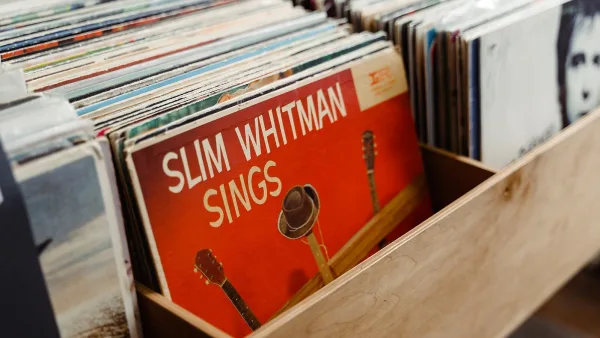
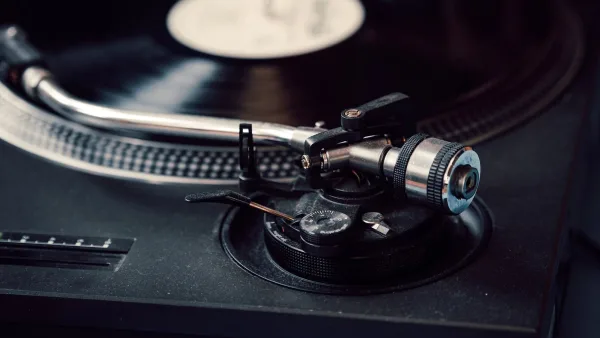
- Vinyl. Lovely if you get into it eventually, completely irrelevant to whether you enjoy the sound today.
Ignore anyone who implies otherwise. It's gatekeeping dressed up as advice, and it's not worth your time.
Names Worth Knowing
You don't need a full history lesson yet. Just three names: Frankie Knuckles, the Chicago DJ closest to house's birth; Larry Heard, who basically invented deep house's warmer side; and Black Coffee, doing the same job for Afro house right now. That's enough to sound like you know what you're talking about at a party. For the fuller cast list, the best house music artists to know is the next stop.
Where to Actually Listen
Streaming platforms all have solid house playlists — search "house classics" or the name of any artist above and let the algorithm pull the thread from there. Resident Advisor is worth knowing as a source for the club and festival side of the scene, and recorded sets from Boiler Room or independent stations like NTS Radio are a genuinely great way to hear how a proper DJ builds a night, rather than just hearing tracks in isolation. And honestly? A well-run local club night, even a small one, will teach you more in ninety minutes than any playlist will. It was built for a room, not a pair of earbuds on the bus.
How You'll Know It's Clicked
You won't need anyone to tell you. It usually happens mid-track, somewhere around the third or fourth listen of that first five — a moment where the repetition stops feeling repetitive and starts feeling like momentum instead. That shift is the whole appeal of the genre in one sentence, and no amount of reading about it gets you there faster than just letting a good track run its full length without skipping ahead.
Going Out for the First Time
- Skip the opening act's nerves — go a bit later, the room builds slowly on purpose.
- Don't stand at the edge analysing it. Just move. Nobody's watching your footwork.
- Ask a regular what they're enjoying that night. House crowds are generally friendly, not precious.
- Give the DJ at least half an hour before deciding whether you like their set. A good one builds slowly on purpose, and judging it after two tracks is like leaving a film after the opening credits.
When You're Ready to Go Deeper
Once the basics have clicked, there's plenty more waiting. The full history of house music tells the Chicago story properly, essential house music albums explained covers the handful of full-length records worth your time, and the defining house tracks every fan should know goes well beyond the five above. For the fuller, more conceptual overview of the whole genre, this beginner's guide to house music ties it all together.
Last thing: you don't need permission to like this. Nobody who's spent any real time in house music cares whether you know the difference between deep house and tech house on day one. Just show up, listen properly, and let the groove do the rest.




Comments