


House Music article
Essential House Music Albums Explained
House was built for the 12-inch single, so a genuinely great house album is a rare thing. Here are the ones that earned their place, and why they matter.
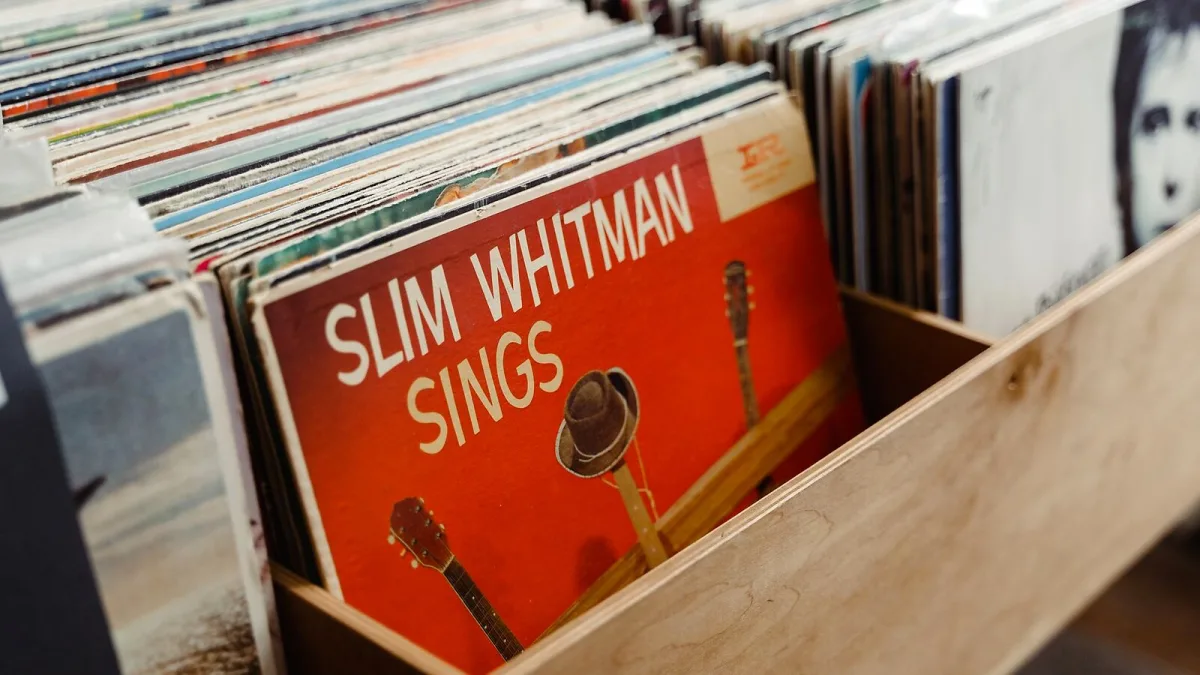
Here's the thing about house music: it was never really an album genre to begin with. It grew up on 12-inch singles, built to be mixed one into the next by a DJ, not sat with front-to-back like a rock record. So when a house album genuinely lands as a complete piece of work, it's worth celebrating properly — and these are the ones that earned it.
Why Albums Are the Exception, Not the Rule
Early house culture ran on independent 12-inch pressings, cut cheap and fast, tested on a Chicago dancefloor within days of being finished. That singles-first economy shaped the whole genre's social history: the sound was made by and for people who needed it to work on Saturday night, not people building a concept record for the shelf. A 12-inch cost little to press, could be tested and dropped from a set within a week if it didn't land, and gave DJs exactly what they needed — a long, mixable groove rather than a tidy three-minute song. The albums that follow all did something unusual for their time — they proved the genre could sustain a full listen, not just a killer four minutes.
The Chicago Foundations
Larry Heard's Amnesia (1988), released under his Mr. Fingers alias, is often cited as one of the genre's first proper albums — a warm, jazz-inflected deep house record built from the same DNA as his single "Can You Feel It," but given room to breathe across a full tracklist. It rewarded patience in a way most club records never had to, letting chords and moods develop over several minutes rather than hitting straight away. Around the same time, Chicago vocal group Ten City released Foundation (1989), fronted by Byron Stingily, bringing a soulful, song-based sensibility to the genre that pointed towards the vocal house strand still thriving decades later.
House Goes Global
Detroit's Kevin Saunderson, working with vocalist Paris Grey as Inner City, released Paradise (1989), an album that blended Detroit's machine-built rhythms with house's warmth and won the project a Grammy nomination — proof the sound had already crossed from underground curiosity to mainstream attention within the decade. Then, in 1997, French duo Daft Punk released Homework, a debut so confident and so groove-literate it's still regularly cited as one of the most influential dance albums ever made, home to "Da Funk" and "Around the World."
Britain Makes It Its Own
- Basement Jaxx — Remedy (1999): a riotous, maximalist UK house record, nominated for the Mercury Prize, that treated genre boundaries as a suggestion rather than a rule.
- Disclosure — Settle (2013): the Lawrence brothers' debut, also Mercury-nominated, that reintroduced house's classic sound to a new generation of listeners and helped launch Sam Smith's career via the single "Latch."
Both records prove the genre travelled well without losing its essential job: making a room move. Neither band treated house as a museum piece to be preserved carefully — they messed with it, bolted on live instrumentation and pop songwriting, and made something that still sounded unmistakably rooted in that original Chicago groove.
A Modern Landmark
South African producer Black Coffee's Subconsciously (2021) brought Afro house's polyrhythmic percussion to a global stage and won the Grammy Award for Best Dance/Electronic Album — a genuinely significant moment for a strand of the genre that had spent decades being underrepresented at major awards ceremonies. It's a fitting bookend to a story that started with Larry Heard pressing records nobody outside Chicago had heard of, and a reminder that the album format, used properly, can still say something a single four-minute track can't.
Quick Reference: Seven House Music Albums Worth Your Time
| Album | Artist | Year | Why it matters |
|---|---|---|---|
| Amnesia | Mr. Fingers (Larry Heard) | 1988 | An early deep house album from the genre's Chicago source |
| Foundation | Ten City | 1989 | Brought soulful, vocal-led songwriting to house |
| Paradise | Inner City | 1989 | Grammy-nominated Detroit/house crossover |
| Homework | Daft Punk | 1997 | Landmark French house debut |
| Remedy | Basement Jaxx | 1999 | Mercury-nominated, genre-blurring UK house |
| Settle | Disclosure | 2013 | Reintroduced classic house to a new audience |
| Subconsciously | Black Coffee | 2021 | Grammy-winning Afro house landmark |
Where to Go From Here
An album is a lovely way in, but house music's real heartbeat has always been the single track and the artists behind it. Pair this list with the defining house tracks every fan should know and the best house music artists to know, or go back further with the full history of house music to see exactly how we got from a Chicago warehouse to a Grammy stage. If subgenre labels like "deep house" or "Afro house" are new to you, this subgenre guide untangles them properly.
What connects every record on this list, forty years apart, is the same social instinct house music started with: build something people can lose themselves in together. That's a harder trick to pull off across a full album than it looks — which is exactly why so few genuinely essential house music albums exist, and why the ones that do earn their reputation the honest way, one dancefloor at a time.





Comments