


Hardstyle article
The History of Hardstyle
Hardstyle didn't appear from nowhere — it was forged in the Dutch rave scene from hardcore, gabber and hard trance, then reshaped over two decades into something unmistakable.
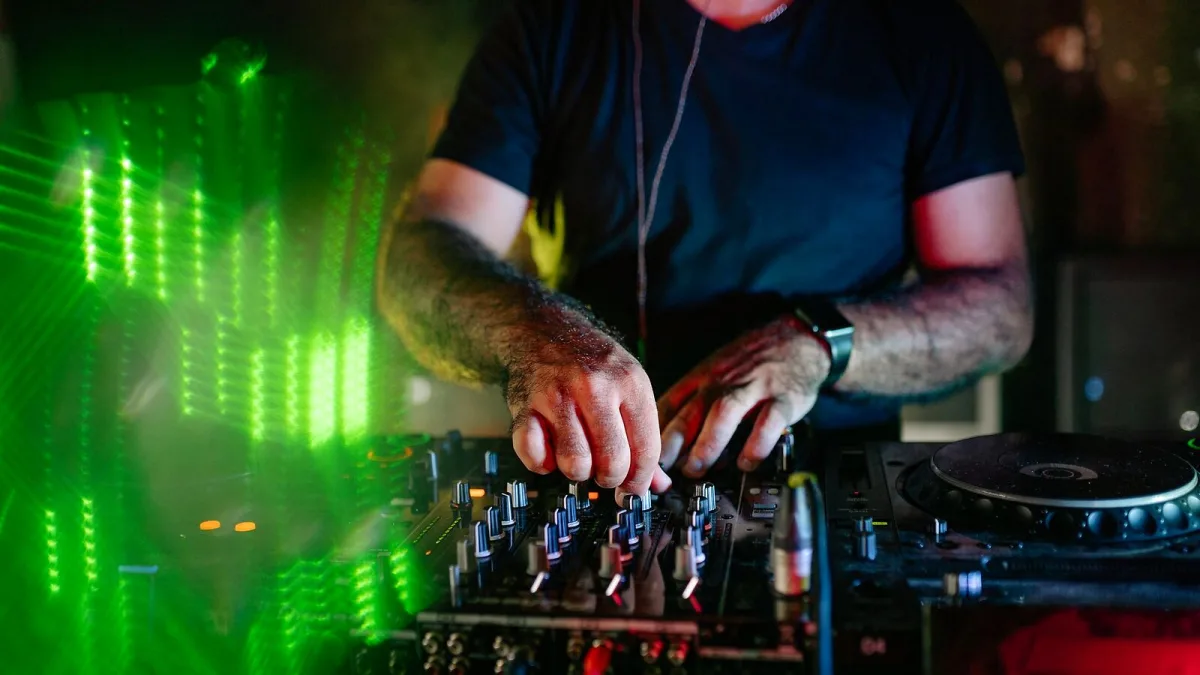
Hardstyle didn't emerge from nowhere. Its story is one of gradual accumulation — DJs and producers absorbing the energy of Dutch hardcore and the melody of trance, then finding a new synthesis that worked for their dancefloors. Understanding that journey tells you a lot about why the genre sounds the way it does today.
The Roots: Gabber, Hardcore and Hard Trance
To understand the genre's origins, you have to know what came before it in the Dutch and Belgian electronic scene. Gabber — a fast, distorted form of hardcore that emerged from Rotterdam in the early 1990s — established the Dutch rave scene's tolerance for volume and aggression. At the same time, hard trance was evolving alongside it: a style that used trance's harmonic language and four-on-the-floor structure at harder tempos, typically around 140 BPM.
The question producers began asking around the late 1990s was: what happens if you push the trance groove toward the impact of hardcore, without going all the way into gabber's extreme BPM and distortion? The answer, worked out through club records and Dutch rave events, became hardstyle.
The Formative Years: 2000–2006
The sound coalesced in the early 2000s in the Netherlands and Belgium. Key figures in this period included The Prophet (Dov Elkabas), who became central to both the production scene and the label infrastructure; Lady Dana, one of the most prominent early DJs of the scene; DJ Zany, associated with the harder, groove-oriented side; and Luna, a prominent early hardstyle artist.
Labels were essential to the genre's development. Fusion Records and Scantraxx — the latter founded with Dov Elkabas among its principals — provided release and distribution infrastructure for the emerging style. The word "hardstyle" was reportedly registered as a Q-dance brand around July 2002, though the scene had been developing its vocabulary before that date.
The sound of this period was defined by the reverse bass — a prominent pitched movement after the kick — combined with hard-trance-influenced synth work and tempos of roughly 140–150 BPM. It was harder and more percussive than trance but more structured and melodically coherent than hardcore. This early period is often called classic or old-school by the scene.
Q-dance and the Scene's Expansion
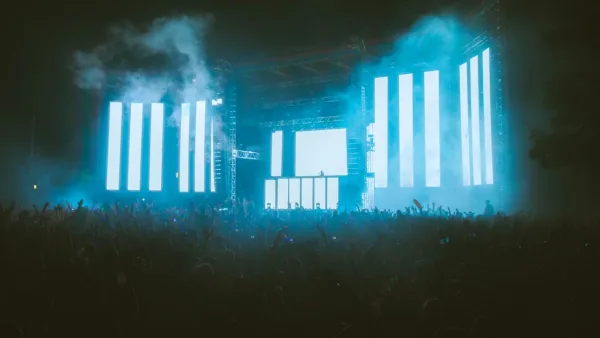
The event brand Q-dance played a central role in transforming the scene into an industry. Through events including Qlimax, Defqon.1 and Hard Bass, Q-dance created venues for large-scale live performance and helped cement the festival identity. These events were important not only for exposure but for defining the production values — the theatrical staging, the massive sound systems, the dramatic breakdown-and-drop structures — that came to define the genre.
Melodic Evolution: Nu-Style and Euphoric Hardstyle
Around the late 2000s, producers began pushing the genre in a more explicitly melodic direction. Where the classic sound had been groove-led with modest melodic components, this new wave — initially called "nu-style" and eventually more commonly known as euphoric hardstyle — used larger synth leads, sustained emotional chord progressions, vocal hooks and cinematic breakdowns designed for festival impact.
Artists including Headhunterz, Wildstylez, Brennan Heart, Noisecontrollers and Da Tweekaz became synonymous with this period. The melodic style extended the genre's reach significantly, bringing it to festival audiences who might not have found the harder, earlier sound accessible. Labels including Dirty Workz and specialist divisions of existing labels supported the melodic direction.
The Rise of Rawstyle
Not everyone in the scene welcomed the melodic shift. A parallel development — initially associated with labels like End of Line, Gearbox Digital and WE R — moved in the opposite direction. Rawstyle reclaimed the physical impact of the genre's roots: darker atmospheres, more distorted kicks, industrial and hardcore-adjacent sounds, reduced reliance on conventional melody, and arrangements that emphasised tension over emotional catharsis.
Artists such as Warface, Radical Redemption, Delete, Rebelion and Malice became central to this side of the scene. Rawstyle co-existed with euphoric hardstyle rather than replacing it, and festivals increasingly programmed both styles on separate stages or in alternating sets.
Contemporary Hardstyle
The hardstyle scene in the mid-2020s is characterised by porous boundaries. Hybrid terms including rawphoric (combining raw kick design with euphoric melodic writing), xtra raw, big-room hardstyle and various "edit" subsets reflect producers working across the stylistic spectrum. The genre continues to evolve through festivals, label releases, livestreams and a strong community of online listeners.
What has remained constant is the kick. However the melodic and atmospheric content has shifted, the genre has always been organized around a specific, engineered approach to low-end percussion — and that continuity runs from 2002 to the present day.
For the names who defined each era, the artists guide covers the essential figures. For a breakdown of the stylistic distinctions within the contemporary scene, see the subgenres overview. For an introduction to the genre for first-time listeners, the beginner's guide is the right starting point.


Comments