


Hardstyle article
Hardstyle Subgenres, Explained
Hardstyle covers more ground than most people realise. Here's how classic, euphoric, rawstyle and uptempo differ and how to find your corner of the scene.
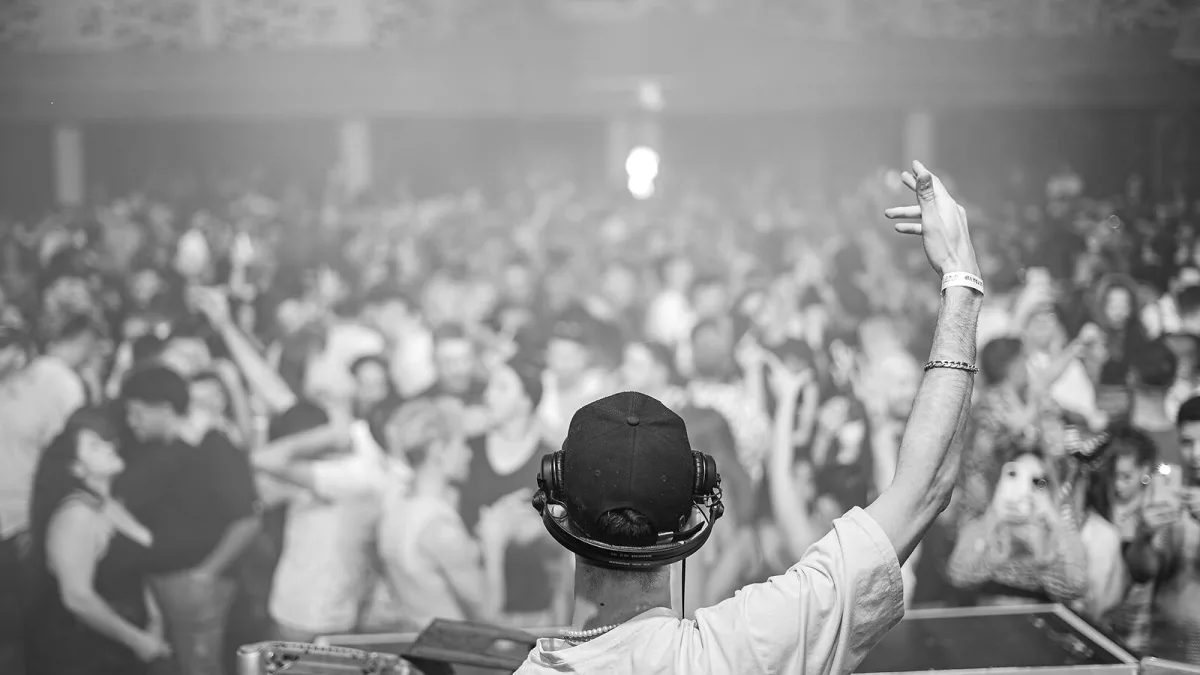
Saying you like hardstyle isn't the end of the description — it's the beginning. The umbrella term covers a range of sounds that, at their extremes, sound almost nothing like each other. A Headhunterz euphoric anthem and a Radical Redemption rawstyle track are both hardstyle; they share structural DNA and festival DNA but diverge dramatically in tone, energy and intent. Understanding the subgenres is what turns a general interest in the scene into an actual map of it.
Classic Hardstyle: Where It Started
The original form of the genre developed in the Netherlands and Belgium in the early 2000s, drawing from hard trance and hardcore. Classic hardstyle — sometimes called "old school" — has a characteristic groove quality, with a reverse-bass technique and a tempo that sits lower than later variants (typically around 140–150 BPM). The sound is rawer and less polished than what followed: industrial in texture, closer to its hard trance parentage, with less emphasis on dramatic melodic builds.
The Prophet, Lady Dana and DJ Zany represent this era. Seeking out Scantraxx releases and Q-dance compilations from 2002–2008 gives you the clearest picture of what classic hardstyle sounds like in practice. It remains a distinct taste within the broader scene — respected as the origin point, but not always the entry point for new listeners.
Euphoric Hardstyle: The Global Sound
From the late 2000s, the genre underwent a significant transformation toward melody. Euphoric hardstyle — the style most people encounter first — is characterised by large synth leads, major-key chord progressions, vocal hooks, and production values oriented toward festival main stages. The kicks are still hard and distorted, but they sit beneath melodic layers that give the music an emotional range the classic sound doesn't attempt.
This is the sound most associated with names like Headhunterz, Wildstylez, Brennan Heart and Da Tweekaz. At its peak, the euphoric style produced the anthems that gave the genre its mainstream profile and its reputation as a festival genre on the same scale as big-room house or trance. Dirty Workz became the central Belgian label for this style; Scantraxx continued to document the Dutch melodic tradition.
The criticism of the euphoric sound from within the scene — particularly from rawstyle adherents — is that it prioritised commercial accessibility over edge. This tension has been productive: the push-pull between the two sides has driven the genre's development in both directions.
Rawstyle: The Reaction
Rawstyle emerged partly as a counterpoint to the increasing melodic polish of the euphoric mainstream. The aesthetic is deliberately harder and darker: heavily distorted kicks with an industrial character, reduced melodic content, sound design that emphasises texture and weight over emotional uplift. Where euphoric hardstyle might build to a soaring lead synth melody, rawstyle tends to resolve into more sustained, percussive pressure.
Radical Redemption and Warface are the genre's most prominent rawstyle names. Labels including End of Line, Gearbox Digital and WE R became the infrastructure for this side of the scene. Rawstyle has its own festival context — dedicated nights and tent stages at events like Defqon.1 — and a distinct fanbase that doesn't necessarily cross over with the euphoric audience.
Xtra Raw: Rawstyle's Harder Edge
Within rawstyle, a further subdivision has developed around what's called "xtra raw" — an even heavier, more extreme form with more distorted and physically intense kick design. Artists like Malice and Rooler operate in this space. The sound is deliberately abrasive in a way that narrows its audience while deepening the intensity for those who respond to it.
Uptempo Hardstyle
At higher BPMs — typically above 160, sometimes considerably more — uptempo hardstyle (sometimes called frenchcore-adjacent or simply "uptempo") departs from its standard tempo structure. The genre becomes less about groove and more about sustained intensity at a pace that leaves little room for the breakdowns and builds that structure more conventional tracks in the style. This is a specialist corner of the scene, but one with a dedicated following and an increasing number of artists developing within it.
How to Navigate the Map
The useful mental model is a spectrum from melodic to extreme, with most of the action falling at the two established poles — euphoric and raw — and a body of artists who move between them or occupy the middle ground.
- Classic: groove-led, original Dutch/Belgian sound, 2002–2008 primarily
- Euphoric: melodic, festival-scale, major-label level production, international appeal
- Rawstyle: darker, harder, industrial, reduced melody, distinct fanbase
- Xtra raw: rawstyle's harder extreme
- Uptempo: higher BPM, sustained intensity, less conventional structure
Most listeners who stay with the genre eventually develop preferences within it. The classic sound is where history lives; euphoric is where the biggest anthems are; rawstyle is where the physical intensity peaks. Each branch rewards time spent with it on its own terms.
For the artists who represent each of these branches in practice, the artists guide maps the names to their sounds. For the history that explains why the genre split in these directions, the history of hardstyle covers the development. And for a first-time listener's entry point, the beginner's guide starts from the beginning.



Comments