


Hardstyle article
A Beginner's Guide to Hardstyle
Hardstyle is a Dutch-rooted electronic genre built on massive kicks, tempos around 140–150 BPM and a festival culture unlike anything else. Here's how to get started.
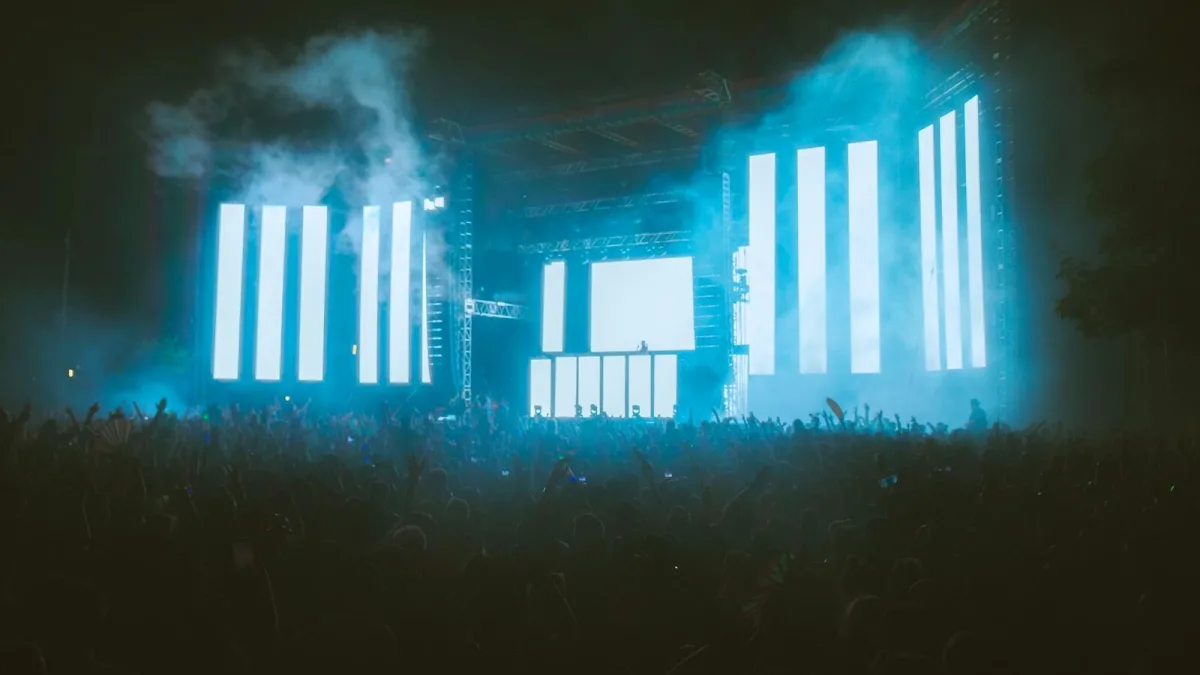
Hardstyle is a style of electronic dance music that tends to polarise people the first time they hear it — the kicks are enormous, the tempos are relentless, and the whole thing feels engineered specifically to hit you somewhere between the sternum and the floor. If someone's told you to give it a chance, or you've stumbled across it at a festival and want to understand what you were listening to, this guide covers everything you need to know to get started.
What Is Hardstyle?
Hardstyle is an electronic genre rooted in the Netherlands, built on a very specific combination of elements: a powerful, highly engineered kick drum that serves as both percussion and bass instrument, tempos of around 140–150 BPM, and a structure built for festival-scale dancefloors. It emerged in the early 2000s out of a collision between hard trance, hard house, hardcore and gabber — taking the melodic elements from trance, the speed from hardcore, and forging something that was harder than either but also, in its melodic form, surprisingly emotional.
The kick is everything in this genre. Unlike a regular drum machine kick, the kick is designed with a pitched, distorted tail that fills the bass register — so the drum is also the bass line. This is the central sonic distinction that separates it from most electronic music, and it's why the genre feels so physically imposing on a sound system.
A Brief History
The hardstyle scene took shape in the Netherlands and Belgium around 2000 to 2002. Early producers and DJs — among them The Prophet (Dov Elkabas), Lady Dana, DJ Zany and Luna — developed the sound through club records and rave events. Labels including Scantraxx and Fusion Records gave the emerging style a release infrastructure, and event brands, particularly Q-dance, became central to the scene's growth. The word "hardstyle" was reportedly registered by Q-dance around 2002, though the sound had been circulating before that date.
The genre evolved significantly over the following two decades. The early, groove-led sound — often called classic hardstyle — gave way to a more melodic period in the late 2000s and early 2010s, when producers started incorporating large synth leads, vocal hooks and dramatic festival breakdowns. This sound became known as euphoric hardstyle. Simultaneously, a darker, more aggressive strand called rawstyle developed in reaction, emphasising distorted kicks, industrial sounds and less conventional melodic writing.
The Main Branches
If you're navigating this landscape as a newcomer, it helps to understand the three main stylistic branches:
- Classic hardstyle: The original sound — groove-oriented, reverse-bass prominent, influenced by hard trance. Less elaborate than modern productions but fundamental to understanding where the genre came from.
- Euphoric hardstyle: The mainstream festival sound. Big melodies, emotional chord progressions, vocal hooks, dramatic breakdowns. Artists like Headhunterz, Wildstylez, Brennan Heart and Noisecontrollers built this style into something capable of filling arenas.
- Rawstyle: Darker and more aggressive. Distorted kicks, screeches, industrial influences. Artists like Warface, Radical Redemption, Delete and Rebelion define this end of the spectrum. Less melodically driven, more physically intense.
More recent hybrid terms — rawphoric, xtra raw, big-room — describe combinations and variations, but these three are the main categories to start with.
How to Listen
A recommended starting path for a newcomer is to begin with euphoric — it's the most immediately accessible, and its combination of emotional melody and powerful drops tends to make the strongest initial impression. From there, go backwards to classic material to understand the genre's origins, and sideways to rawstyle to hear a very different application of the same fundamental sound design.
Key labels to explore include Scantraxx, Dirty Workz and Q-dance for euphoric material, and End of Line, Gearbox Digital and WE R for harder and rawstyle tracks. The genre has a strong festival culture — events like Defqon.1, Qlimax and Hard Bass have been central to the genre's development, and many significant releases are associated with these events.
What Makes It Distinct
Several things separate it from other electronic genres that beginners sometimes confuse it with:
- Vs. hardcore/gabber: It is generally slower and more melodic. Hardcore and gabber sit at 160–220 BPM and tend to be more aggressive. It borrowed elements from both without going as far.
- Vs. hard trance: Hard trance is the closest relative. Classic sounds a lot like hard trance; the differences are in kick design and the degree of distortion.
- Vs. EDM big-room: Big-room electronic music uses similar festival structures but different kick approaches and tempo. It has a more defined subculture and a different listening community.
- Vs. jumpstyle: Jumpstyle is a related Dutch genre associated with a specific street dance style. It shares some sonic DNA but is a distinct thing.
Where to Start
If you want to begin exploring, try looking up hardstyle DJ sets from Defqon.1 or Qlimax events on YouTube — these showcase the genre at its most representative and give you a broad feel for what it sounds like in context. From there, albums and compilations from Scantraxx and Dirty Workz provide a curated entry point. The artists guide covers the key names in more depth, and the subgenres guide breaks down the stylistic distinctions in detail. For the full story of how the genre developed, see the history of hardstyle.



Comments