


Music Stand article
Music Stand for Beginners: A Complete Guide
Get one now, and keep it simple. Everything a nervous beginner needs to know about choosing and setting up their first stand.
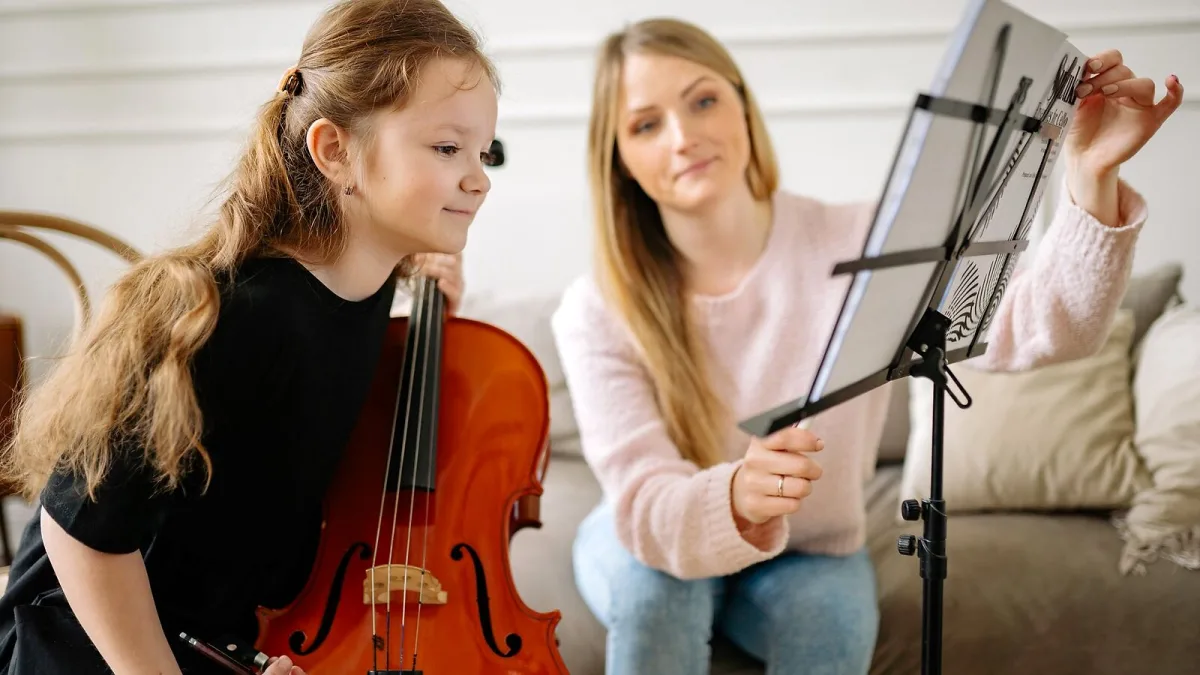
New students often ask me whether they really need a music stand at all, or whether it can wait until later. My answer is always the same: get one now, and keep it simple. You don't need anything expensive or clever to begin with — you just need somewhere sensible to put your music so you can concentrate on playing, not on peering awkwardly at pages balanced on your knee.
Why bother with one from day one?
It's tempting to skip this and prop your music on a chair or a pile of books, especially if you're not sure how long you'll stick with lessons. But posture habits form early, and hunching over sheet music laid flat is one of the quickest ways to pick up tension in the neck and shoulders that becomes hard to unlearn later. A proper stand, set at the right height, means good posture is the easy option rather than something you have to think about constantly.
Keep your first choice simple
You do not need to think too hard about your first stand. A basic folding model with a wireframe desk will do everything a beginner needs — it holds a page steady, adjusts high or low enough for most rooms, and costs very little. Save the research into solid desks, tripod widths and locking mechanisms for later, once you know how often you'll actually be using it and where.
- A folding stand with an adjustable height
- A desk wide enough for one songbook or a couple of loose sheets
- A locking collar that holds firm once you've set the height
If you'd like to understand the fuller range of options once you're past the beginner stage, our overview guide explains the different types in plain terms.
Getting the height and angle right
This is the bit beginners most often get wrong, usually by setting the stand too low. Here's a simple way to check:
- Sit or stand exactly as you would to play.
- Raise the desk until the top of the page is roughly level with your eyes, without tilting your head down.
- Angle the desk slightly towards you, enough to cut any glare from a lamp or window.
- Check nothing on the stand gets in the way of your bow, hands or instrument before you start playing properly.
Don't be afraid to adjust it again halfway through a practice session if your posture has drifted — that's completely normal, and checking in on it is a good habit in itself.
Building a good habit, not just buying a good music stand
A well-placed music stand only helps if you actually use it properly. Try to get into the habit of checking your posture each time you sit down, rather than assuming last week's height setting is still right — you may be sitting on a different chair, or simply feeling more tired than usual. Little checks like this, done consistently, matter more than the stand itself.
Learning from a tablet or an app?
Plenty of beginners now practise from an app or a PDF rather than a printed book, and that's absolutely fine — a basic music stand still does the job, provided you add a simple clip-on holder for the device. Just be a little more careful about stability: a tablet is heavier and sits higher up than a single sheet of paper, so a very light, cheap stand can feel less steady with one attached. If in doubt, ask in the shop whether the model you're looking at is rated for a tablet before you buy.
When it's time to upgrade
You'll know it's time to move on from your first stand when you start noticing its limits: the desk feels too small for a bigger book, it wobbles more than you'd like, or you're travelling to lessons often enough that portability starts to matter. At that point, it's worth reading our buyer's guide properly, since you'll now have a much clearer sense of what you actually need from a music stand rather than guessing.
A few reassurances
If your stand wobbles slightly on carpet, that's normal — try spreading the tripod legs a touch wider. If you keep forgetting to adjust the height, that's normal too, and it becomes automatic within a few weeks. And if you feel a bit silly asking your teacher for help setting it up, please don't — it's one of the most common beginner questions there is, and a good teacher will be glad you asked rather than struggled on quietly. It's also completely normal to feel unsure whether you've spent too little or too much on your first one; for a beginner, function matters far more than price, and a modest folding model will serve you honestly for years before it needs replacing. For the mistakes worth avoiding altogether, our piece on common errors people make is a gentle, useful read once you've settled in.
The bottom line
Choose something simple, set it at the right height, and get into the habit of checking your posture each time you play. That's genuinely all a beginner needs from their first music stand — everything else can wait until you know what you're actually looking for.



Comments