


Music Stand Light article
The Ultimate Guide to Music Stand Light
Small but essential, a good stand light makes reading music in dim conditions dramatically easier. Here's what you need to know.
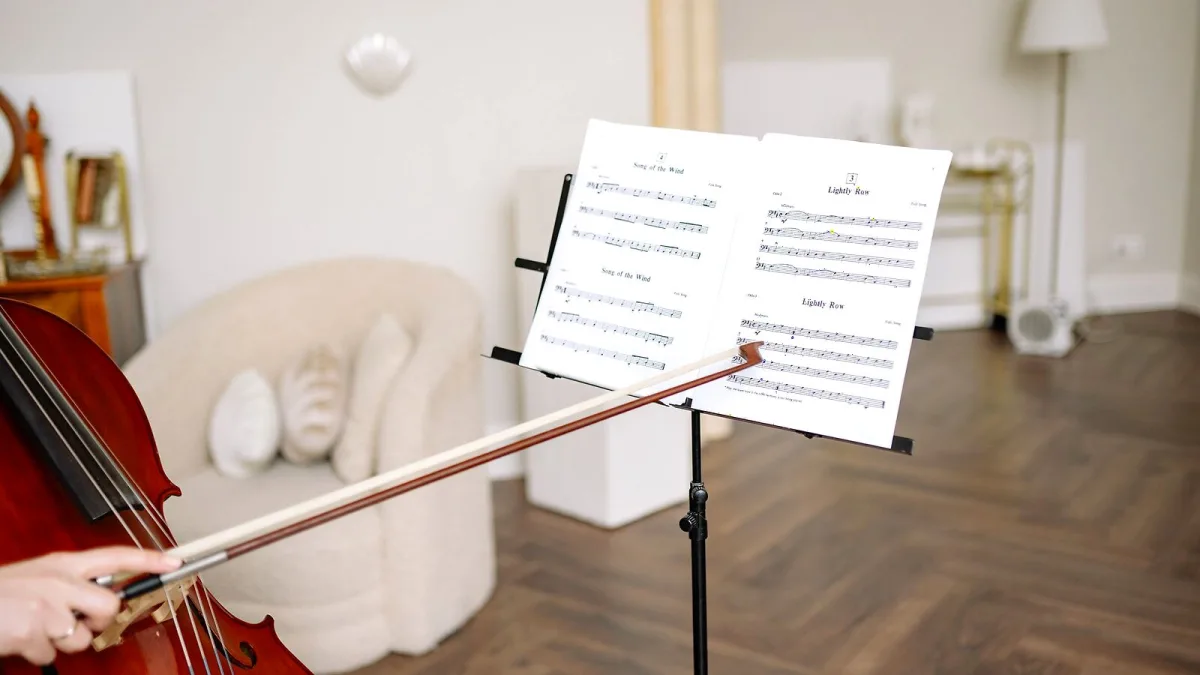
A music stand light is one of those pieces of equipment that players tend to acquire only after they've had to squint at sheet music in a dark rehearsal room. It's a small accessory, but getting it right makes a real difference to reading accuracy and eye comfort, especially during long practice sessions or concert performances.
What a Music Stand Light Does
It illuminates your sheet music or score from above while leaving the surrounding area — and the audience, in performance contexts — in relative darkness. The light source clips to your stand and directs a controlled beam of light downward onto the page. The goal is even, shadow-free illumination across the full width of an open book or spread of paper.
Types of Light Source
The market has moved almost entirely to LED in recent years. LED bulbs produce consistent, cool-white light that reads well against paper, consume much less power than incandescent alternatives, and last significantly longer. A few traditional gooseneck designs still use halogen or incandescent bulbs, but these are now largely legacy products. The practical advantage of LED for musicians is longer battery life, which matters if you're reading music away from a mains socket.
Power Options
Battery-powered units are the most common, and for good reason: they work anywhere, from a home practice room to an outdoor performance or a pit orchestra. Most use standard AA or AAA cells. USB-powered units are increasingly popular for home or studio use, though the cable can be an inconvenience in some setups. Mains-powered units are rare and generally only practical for fixed home installations.
Brightness and Spread
The key practical specifications are lumen output (how bright) and beam angle (how wide). A music stand light needs to illuminate a full A3 or letter-size score evenly; a narrow-beam unit that creates a bright spot in the centre and dimmer edges is practically worse than a lower-output unit with even coverage. Look for models that specify coverage area as well as brightness, and be sceptical of products that only list lumens without mentioning spread.
Build Quality and Portability
A solid clip mechanism that grips the stand without slipping is more important than most other features. Lights that shift position mid-performance — rotating slightly so the beam moves off the page — are a practical nuisance regardless of how good the illumination is otherwise. Flexible gooseneck necks allow fine adjustment of beam angle but can loosen over time; fixed-arm designs are less adjustable but more stable.
Which Instruments Benefit Most
Any player who reads from notation benefits: orchestral instruments, piano, choir, band and ensemble players all use stand lights regularly. The need is greatest in live performance contexts where house lighting is low — theatre pit orchestras, jazz gigs, choir concerts and outdoor events. Session musicians recording in studios often need a dedicated stand light for reading charts in control rooms with deliberately dim lighting.
For a guide to the best models available at different price points, see the best guide. For advice on buying your first, see the buyer's guide.




Comments