


Music Stand Light article
Common Music Stand Light Mistakes to Avoid
Most stand light problems are preventable. Here are the errors players make most often — and what to do instead.
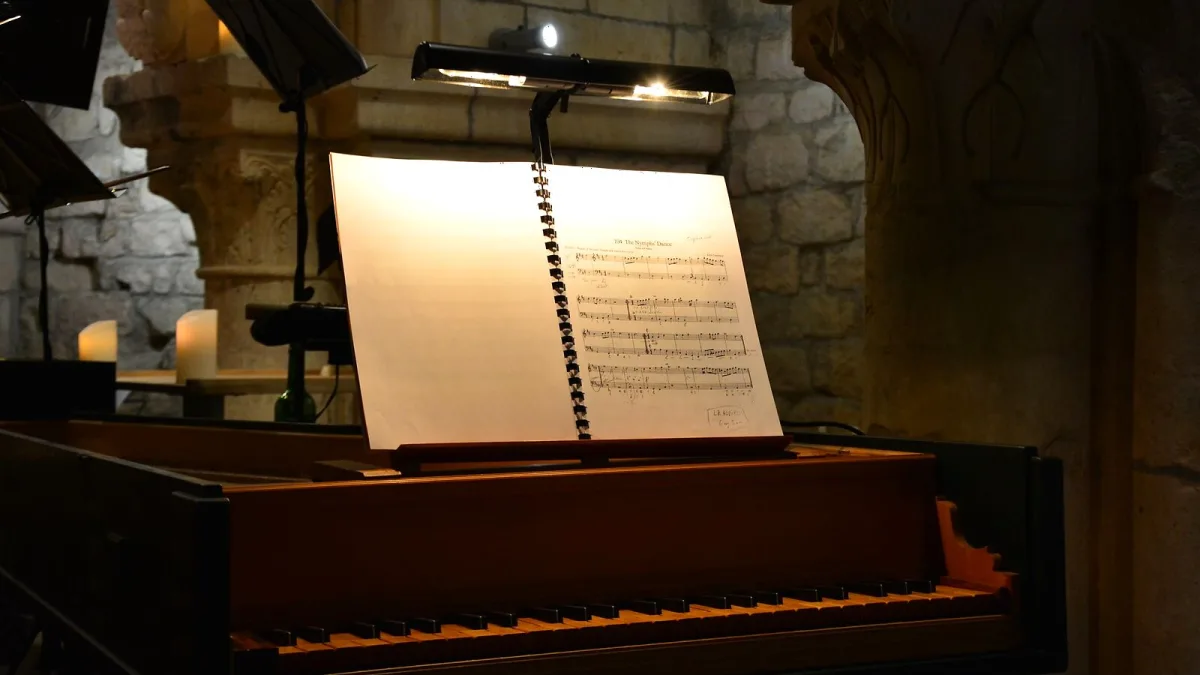
Most of the problems people have with a music stand light are avoidable. The accessory is simple, but a few common errors undermine its usefulness — and some of them are surprisingly consistent across different players and contexts.
Running Out of Battery at the Wrong Moment
This happens because players forget to check batteries before important rehearsals and performances. The solution is a fixed habit rather than an adjustment: always install fresh batteries at the start of a concert week, and keep spare batteries in your music bag as a matter of routine. A unit that dies mid-performance is more disruptive than not having one at all.
Positioning the Light Incorrectly
Clipping the unit to the middle of the stand rather than the top, or angling the heads upward rather than downward, produces uneven illumination and often glare. The light should sit above the page with the beam aimed directly down. If you're getting a bright spot at the top of the page and dim illumination at the bottom, adjust the head angle rather than increasing brightness.
Setting Brightness Too High in Quiet Environments
Setting brightness very high in a quiet acoustic setting can introduce an audible buzz or flicker from the LED driver circuit — this is a known issue with budget models. Reducing brightness often eliminates the noise entirely, or switching to a higher-quality unit with better electronics. In recording sessions and acoustic chamber music, this matters.
Ignoring Beam Spread When Buying
Players who buy on brightness specifications alone and then find the illumination is unevenly distributed have made a common error. A narrow-beam unit with a bright centre and dim edges reads worse than a lower-output model with even coverage across the full page width. Coverage quality should be the primary criterion when evaluating any music stand light.
Not Considering Other Musicians
In ensemble settings, a poorly controlled beam that scatters light sideways is a courtesy issue. Other musicians reading their own music don't need additional light sources in their peripheral vision. Models with focused, downward-directed beams are the professional standard for good reason. If you're regularly playing in group settings, beam quality is not just a personal concern.
Forgetting to Switch It Off
Leaving a music stand light on after the rehearsal or practice session ends is the single most common cause of premature battery failure. Many players address this by making switching it off part of their pack-up routine — at the same time as putting away the music. A model with a timer function eliminates the problem automatically; otherwise, habit is the solution.
For help choosing the right model, see the buyer's guide. For the best options at each price point, see the best guide.






Comments