


Music Stand Light article
Music Stand Light for Beginners: A Complete Guide
A stand light is one of the simplest accessories a musician can buy. Here's how to use it properly from day one.
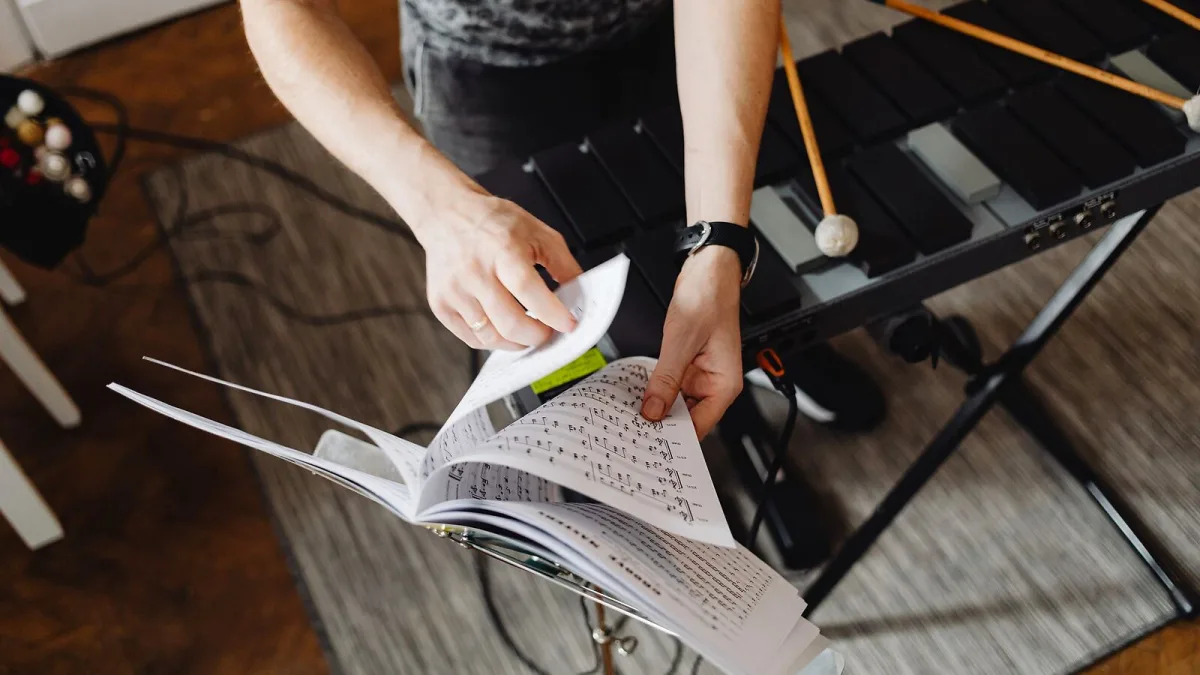
A music stand light is a simple tool, and getting started with one is straightforward. But there are a few things worth knowing before your first use that will save you some trial and error — about where to position it, how to set the brightness and how to get the most out of the batteries.
Setting It Up for the First Time
Clip the unit to the top of your stand, with the light heads facing downward toward the page. Position the clip at the centre of the stand's ledge if possible; off-centre placement can create uneven illumination or cause the unit to feel unbalanced. Angle the heads so the beam covers the full width of the page — most units have some adjustment here, though the range is limited. Start with the heads roughly perpendicular to the page rather than angled steeply.
Adjusting Brightness
If your unit has a brightness control, start at about half and adjust from there. In a dark room, you may need less than you think; in a bright rehearsal space, you'll need more to overcome the ambient light. The goal is comfortable readability without strain or glare off the paper. White or cream paper stock reflects differently from older, yellowed scores, so brightness settings aren't always transferable between different sets of music.
Battery Management
Install fresh batteries before any important rehearsal or performance. Most players learn this lesson the hard way. Even if the batteries worked fine last time, a performance isn't the moment to discover they've reached the end of their life. Keep a spare set in your music bag alongside the light itself — it takes up almost no space and removes a significant source of potential stress.
Avoiding Page Glare
Laminated or glossy sheet music can create glare that makes reading harder rather than easier. Angle the light slightly so it's not hitting the page at exactly 90 degrees. A few degrees of adjustment usually eliminates the hotspot. Older paper scores rarely have this problem; contemporary publications with protective lamination more often do.
Using It in Ensemble Settings
In ensemble settings, a well-placed music stand light is also about courtesy to other musicians, be aware of how much light spills sideways. Most well-designed units are focused primarily downward, but some cheaper models scatter light widely. If other musicians are sitting close, aim to use a model with good beam control. In an orchestra pit, this is particularly important — excessive side-scatter from a poorly designed light is a known irritant.
Once you are comfortable with basic use of a music stand light, the complete guide covers technical details. For the best models at different price points, the best guide covers the current options.






Comments