


Stage Lighting article
Stage Lighting for Beginners: A Complete Guide
You don't need much to start with stage lighting. A beginner's guide to simple setups, essential concepts, and getting started with confidence.
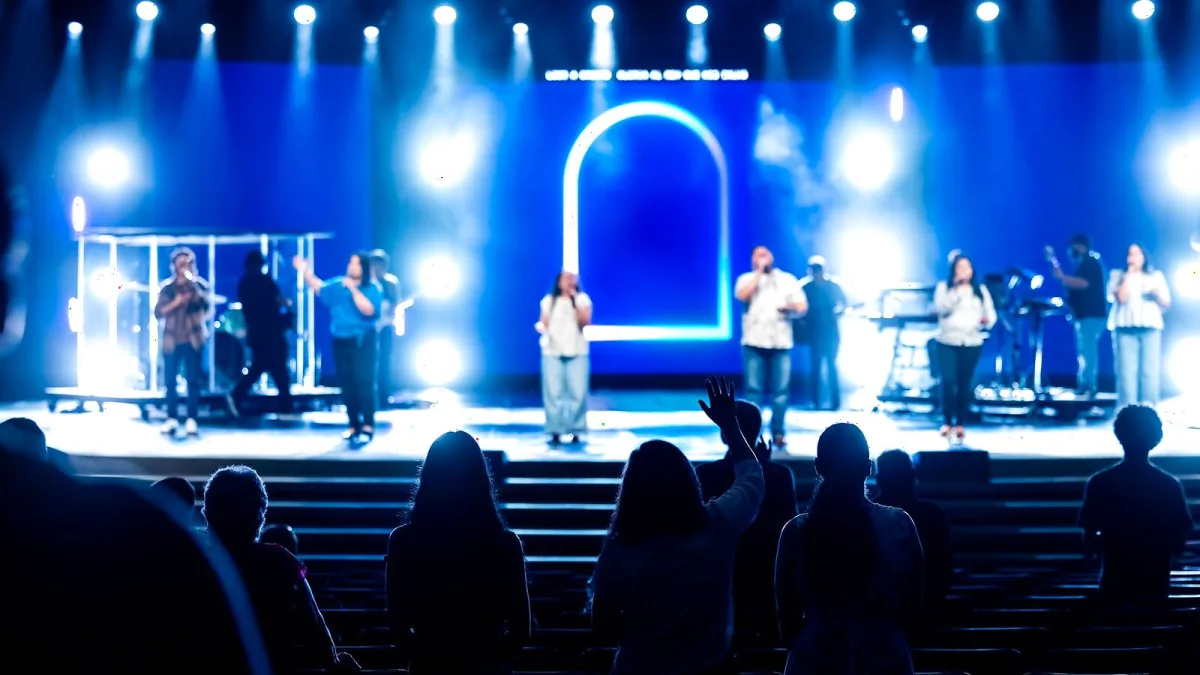
You don't need much to start with stage lighting. A nervous first-timer often thinks "I need to understand DMX and moving lights and colour gels"—but honestly, you don't. Most small venues use simple, forgiving gear, and once you've done it a few times, the technical stuff makes sense naturally. This guide is for you if you're about to light your first gig and don't want to feel lost.
Start with the Simplest Possible Setup
Your first rig doesn't need to be fancy. A beginner stage lighting setup at its most basic is just two or three lights: one or two pointed at the band, maybe one for effect. That's genuinely enough for a small venue. You're not trying to run a festival—you're trying to make the band visible and set a mood. Everything else is refinement.
The Absolute Beginner Stage Lighting Rig
Four PAR cans (the simple, durable lights), a power strip, and a handful of coloured gels. Plug each light into the power strip, clip a coloured gel onto the front, angle them at the stage, and you're done. Total cost: under £200 used, often much less. You control brightness by turning lights on and off—no computer, no learning curve. If someone asks "How do you control these?", the answer is literally "I walk over and turn it on."
This works. It's not glamorous, but bands play venues lit exactly like this every week, and audiences don't feel shortchanged.
The Three Things to Understand First
Before you buy or borrow anything, know these three concepts. They cover 90% of what beginners need to know.
Brightness Matters
If the stage is dark, people can't see the band. Make sure your lights are bright enough. A tiny club might get away with 1,000 lumens total. A larger room needs more. When in doubt, test it: ask the band to do a soundcheck under your lights, and if they're visible and the mood feels right, you've won. If the audience is squinting or you feel like the stage is dim, add more lights or move them closer.
Colour Sets Mood
White light is neutral and visible—fine for getting started. Red is warm and dramatic. Blue is cool and energetic. Green is weird and atmospheric. A common beginner move is white for the opening songs, then shift to colour as the set builds. It's simple, it works, and it makes people feel something. You'll learn what colours suit different songs once you've done it.
Point Lights at the Stage, Not the Audience
Sounds obvious, but it matters. If your light beam hits the audience's faces, they'll hate it and you'll look unprofessional. Lights should illuminate the band from the front or sides—never shine directly into the crowd. Safety note: never point moving lights or bright fixtures at faces without warning; it hurts.
How to Start: A Gentle First-Timer's Path
If you're lighting your first gig, here's what actually happens.
One Week Before
Borrow or rent a simple rig—ask at local venues, music shops, or Facebook groups. You want 2–4 basic lights and power. Write down what you have, and sketch a rough plan: "One light stage left, one centre, maybe one for effect." Don't overthink it. Ask the band what genre they play; that helps you choose colours later.
The Day Of
Arrive early. Plug in your lights and test them in the empty venue. Turn them on, walk around, and see how it looks. Adjust angles so the band will be visible during the set. Test your colours. Then turn everything off and wait for the soundcheck. During soundcheck, run the lights while the band plays—this is your rehearsal. Ask them if they can see OK. Make small tweaks.
During the Gig
Watch the set. You'll have practiced during soundcheck, so you know roughly when to change colours or add/remove lights. Most of the time, you're just turning lights on and off or swapping gels. If you make a mistake—you leave a light on too long or forget to change colour—nobody notices or cares. The band won't stop. The show goes on. This is learning, and learning on the job is normal.
What You Don't Need to Worry About Yet
Stage lighting as a topic has a lot of jargon and complexity. You don't need any of it to start. Skip worrying about:
- DMX control. That's for bigger rigs with moving lights. You don't have those yet.
- Complicated rigging. Learn to clamp a light safely to a stand or mic boom, and you're fine.
- Matching colour temperature. That's engineer stuff. Turn on lights that look good; that's enough.
- Gobos and projection. Fun, but not essential. Master basic lighting first.
- Complex setups. Two lights look good. You'll want more once you feel confident, and that's when you learn more.
The Real Secret of Stage Lighting
Ninety percent of good stage lighting is just visibility and taste. Make the band visible, pick colours that feel right for the vibe, and don't shine lights at people's faces. That's it. Everything else—moving lights, DMX, gobos, advanced colour mixing—is refinement for when you're past the first-timer stage.
Your first gig will feel nerve-wracking. You'll worry you're doing it wrong. But remember: the audience didn't come to critique your lighting; they came to hear the band. If the band is visible and the mood feels right, you've done your job. You'll get better fast.
Next: Level Up When You're Ready
Once you've lit a few gigs and feel comfortable with the basics, you'll naturally want to explore more—maybe moving lights, maybe more colours, maybe understanding DMX. When that time comes, read our full guide to stage lighting for the technical details, or our buyer's guide when you're ready to upgrade gear.





Comments