


PA System article
Pa System Explained: Features, Types and Tips
A PA system takes audio sources and delivers them to an audience at volume. This guide covers the components, types and key specifications, with advice on choosing the right setup for your needs.

A PA system — short for public address system — is the equipment that takes audio sources (microphones, instruments, playback devices) and delivers them to an audience at usable volume. Every live performance, from a pub acoustic night to a festival main stage, relies on some form of system like this to make the sound reach the people listening.
What a PA System Does
The job of a PA system is simple: collect audio signals, process and mix them, amplify them, and project them into the room. One that does this well sounds natural — the audience hears the performance clearly, without distortion, feedback, or dead spots. A system that does it poorly makes performances harder to hear and enjoy, regardless of how well the musicians are playing.
Main Components
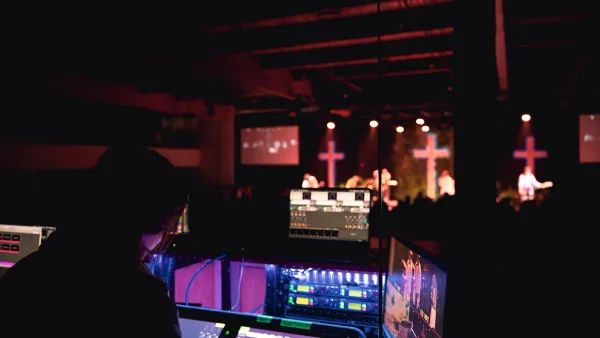
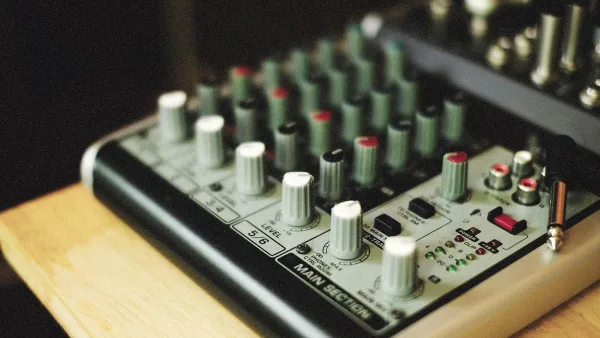
A typical live sound rig has four core elements. The mixer receives all the input signals — microphones, instruments, playback devices — and lets the operator set levels, adjust EQ, and apply effects for each channel. The amplifier boosts the mixed signal to a power level sufficient to drive loudspeakers. The main loudspeakers project sound to the audience. Stage monitors (or floor wedges) return the mixed signal to the performers so they can hear themselves. In powered PA systems — the most common type for small to medium venues — the amplifier is built into the speakers themselves.
Types of PA System
Portable PA systems are self-contained units designed for small venues and acoustic performances. They typically include one or two powered speakers with a built-in basic mixer — enough for a single performer, a small acoustic act, or background music playback. Mid-size PA setups combine a dedicated mixer, two main speakers, and two monitors: the right choice for rehearsal spaces, function rooms, and small live venues. Large-format PA systems — with multiple speakers, subwoofers, and multizone coverage — are used in theatres, large clubs, and outdoor events where significant power and throw are required.
Key Specifications
Power output (measured in watts) determines how loud the system can get, but wattage alone does not tell the whole story: speaker efficiency (sensitivity) and the acoustics of the room matter as much. Frequency response determines how well the system handles bass and treble. SPL (sound pressure level) gives a more useful indication of real-world loudness than raw wattage. Coverage angle tells you how wide the speaker's sound field is — important for covering the audience evenly without excessive volume on the front row.
Choosing the Right PA System
Match the rig to the size and type of venue. A portable powered speaker will manage a small function room or private event with ease but is inadequate for anything larger. For regular live performances, a mid-size mixer-and-speaker setup gives the control and headroom needed. Budget for monitors from the start — performers who can't hear themselves play worse and ask for more volume from front-of-house, which causes feedback. A modest rig set up properly and mixed well will always outperform an expensive one that is deployed carelessly.
Where to Go Next
For buying advice, the complete PA system buyer's guide covers every decision. For specific product recommendations, the best PA systems for the money covers all price ranges. New to live sound: the beginner's guide is the right starting point.




Comments