


PA System roundup
Pa System: A Complete Buyer's Guide
Choosing the right PA system means matching the equipment to the venue, the performance, and the budget. This guide covers every decision from speaker type to mixer channels and portability.

Buying a PA system is about matching the equipment to the job: the venue size, the type of performance, and the level of control you need. Getting that match right is more important than spending more money, and this guide takes you through every decision.
Define the Use Case First
Before looking at specifications, decide what the PA system will be used for. A solo acoustic performer at small events needs something very different from a four-piece band playing weekly pub gigs. The former can manage with a single powered speaker and a basic mixer channel; the latter needs main speakers, monitors, a multi-channel mixer, and enough headroom for drums and bass guitar. Overspecifying is expensive; underspecifying means the system is always at its limits. Be honest about the actual requirement.
Powered vs Passive Systems
The first major choice in any PA system purchase is powered versus passive. Powered (active) speakers have built-in amplifiers — you run a cable from the mixer directly to the speaker, no separate power amp needed. They are simpler to transport, simpler to set up, and account for the vast majority of small to mid-size PA sales. Passive speakers are cheaper for the speaker itself, but require a separate amplifier — overall cost and complexity are similar or higher. Unless there is a specific reason to choose passive (a permanently installed system with a remote amplifier rack, for instance), powered speakers are the practical choice for most users.
Mixer Channels
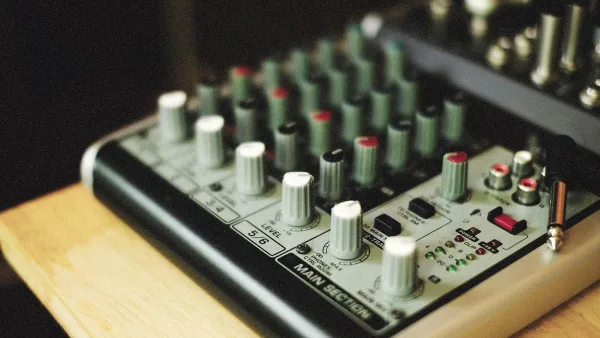
Count the number of sources you need to feed into the PA system before choosing a mixer. Each microphone, each direct instrument input, and each playback source needs its own channel. A solo performer might need four channels; a full band could need sixteen or more. Build in headroom: if you think you need eight channels, buy a twelve-channel board. Switching to a larger mixer mid-set because you have run out of inputs is not a position you want to be in. Digital mixers offer more flexibility per channel (built-in effects, recall) at a premium; analogue boards are simpler and more reliable for straightforward use.
Power Output
For a room holding up to 100 people, 1,000 watts RMS per main speaker is a reasonable baseline — but room acoustics, speaker sensitivity, and content type all influence the real-world result. Low-frequency content (kick drum, bass guitar) demands far more power than vocals. If live drums are part of the setup, add subwoofers: satellite speaker systems struggle to reproduce low-end at volume without distortion. Avoid purchasing a PA system with a power ceiling that will require operating at maximum volume in the expected venue — there is no headroom for dynamics or louder moments in the programme.
Monitors
Budget for stage monitors from the start. Performers who cannot hear themselves ask for more volume from the house system, which causes feedback and makes the room uncomfortable for the audience. A minimum of two floor wedge monitors is appropriate for most band performances; more complex setups benefit from independent monitor mixes per performer. Powered monitor speakers simplify cabling and eliminate the need for a dedicated monitor amplifier.
Portability and Rigging
If the PA system moves between venues, consider the physical weight and pack size of every component. Fifteen-inch powered speakers are considerably heavier than tens or twelves; the difference matters when loading in and out of venues with stairs. Wheeled cases, carry handles, and pole-mount compatibility (speakers on poles rather than on stands) all reduce the physical toll of regular touring. A system that sounds excellent but takes two people three hours to set up may not be the right choice for a regular gigging act.
Where to Go Next
For specific models at each price level, the best PA systems for the money covers every budget. For an overview of how the equipment works, the PA system features guide is the place to start.





Comments