


Speaker Wall Hangers article
Speaker Wall Hangers for Beginners: A Complete Guide
It's heavier than a picture frame and it's going above head height — a nervous reaction is fair. Here's the beginner's version, no assumed knowledge.
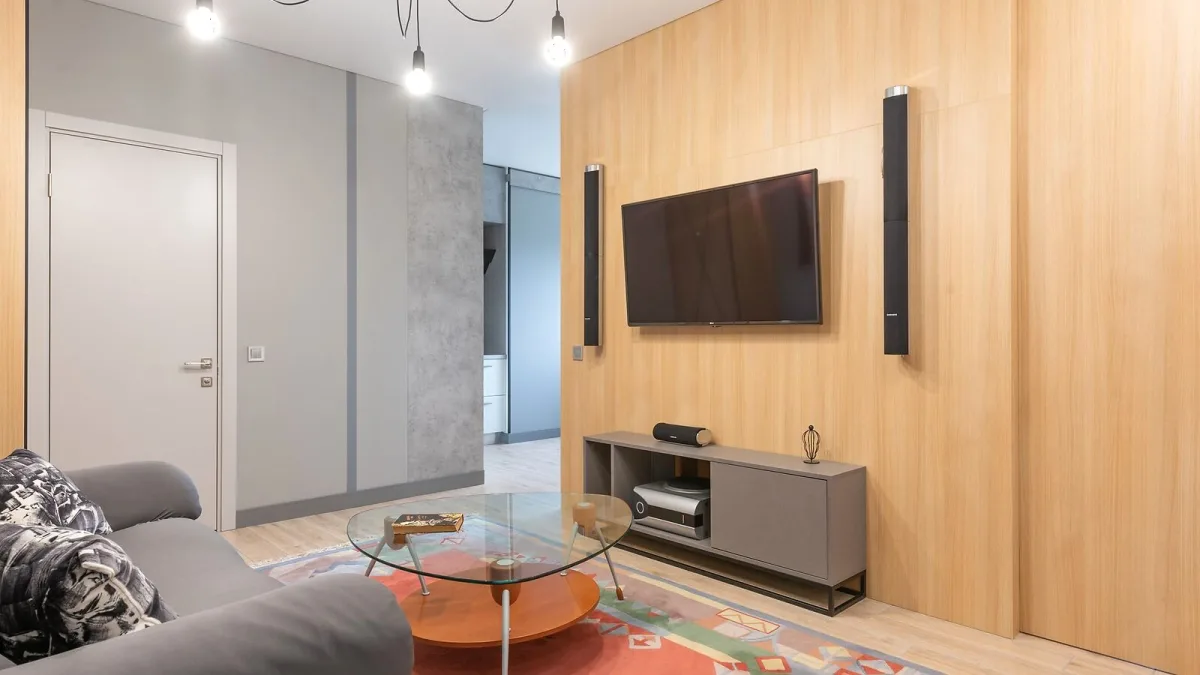
If you've never fitted anything to a wall before and the idea of hanging a speaker up there makes you nervous, that's a completely reasonable reaction — it's heavier than a picture frame and it's going above head height. The good news is that speaker wall hangers are one of the more forgiving DIY jobs out there, provided you don't skip the two or three things that actually matter. Here's the beginner's version, no assumed knowledge.
Is Fitting Speaker Wall Hangers Actually a Job You Can Do Yourself?
For most bookshelf speakers, surround speakers and compact studio monitors, yes — this is a genuinely manageable weekend job for someone with basic tools and a bit of patience. Where I'd pause and consider a professional instead: a genuinely heavy PA cabinet, an unusual wall construction you're not confident identifying, or a ceiling-adjacent or overhead installation where a mistake has more serious consequences. There's no shame in that call — it's a sensible one, not a failure of DIY nerve.
The Only Three Things You Actually Need to Get Right
- The bracket needs to be rated well above your speaker's weight. Not equal to it — comfortably above it. This one decision prevents almost every serious problem.
- You need to screw into something solid. A wood stud or masonry, not just drywall on its own, unless your speaker is genuinely light and you're using anchors rated for it.
- The speaker needs to be tested before you trust it. Support it yourself, let go slowly, and check it doesn't slide or tip before you walk away.
Everything else — tilt angles, cable routing, which exact bracket style suits your cabinet — matters, but it's refinement. Get those three points right and you've avoided the mistakes that actually cause problems.
What Nobody Tells First-Timers
A few things that surprised me the first time I did this, which might save you some head-scratching:
- Finding a stud isn't always obvious. A cheap stud finder is worth buying rather than guessing or tapping the wall and hoping.
- "Universal" brackets often aren't, quite. Check your specific speaker has the mounting point — threaded insert, keyhole slot or similar — that the bracket actually expects.
- The listed weight capacity can be per pair, not per bracket. Read the fine print before assuming a bracket is stronger than it actually is for a single speaker.
- It's fine to take longer than you planned. Marking, checking and re-checking before you drill is not wasted time — it's the part of the job that actually prevents mistakes.
A Realistic First Attempt
Pick a straightforward speaker for your first go — a light bookshelf model on a wall you know is a wood-stud wall is about as forgiving as this job gets. Save the awkward masonry wall or the heavier cabinet for once you've done one of these and know what to expect. Our full step-by-step installation guide walks through the actual process in order once you're ready to pick up a drill.
If You're Still Not Sure Which Bracket to Buy
Don't buy anything until you've matched your speaker's weight, mounting point and your wall type to the right product — our buyer's guide covers exactly that, and our wider guide to the different types is a good starting point if the terminology is still a bit new.
The Bottom Line
Speaker wall hangers are a genuinely approachable first DIY project once you know the three things that actually matter: buy a bracket rated well above your speaker's weight, fix it into something structurally solid, and test it gradually before trusting it fully. Get those right and everything else is just refinement.




Comments