


Speaker Wall Hangers article
Common Speaker Wall Hangers Mistakes to Avoid
Most problems aren't dramatic. What actually happens is slower: a bracket rated for slightly less than it should be, a fixing that was never quite right.
Most problems with speaker wall hangers aren't dramatic — nobody's speaker usually crashes to the floor five minutes after installation. What actually happens is slower: a bracket rated for slightly less than it should be, a fixing into drywall that was never quite right, a bit of play that gets worse over months. Here's where people genuinely go wrong, and how to not be one of them.
Confusing "Per Pair" With "Per Bracket" on Speaker Wall Hangers
This is the single most common mix-up. A listing that says "55lb capacity" for a pair of brackets means 55lb combined, not 55lb each. Buy on that misunderstanding and you could be hanging a speaker on hardware rated for barely half of what you think it's rated for. Always read the specification carefully enough to know exactly what's being measured.
Choosing Drywall When a Stud Was Right There
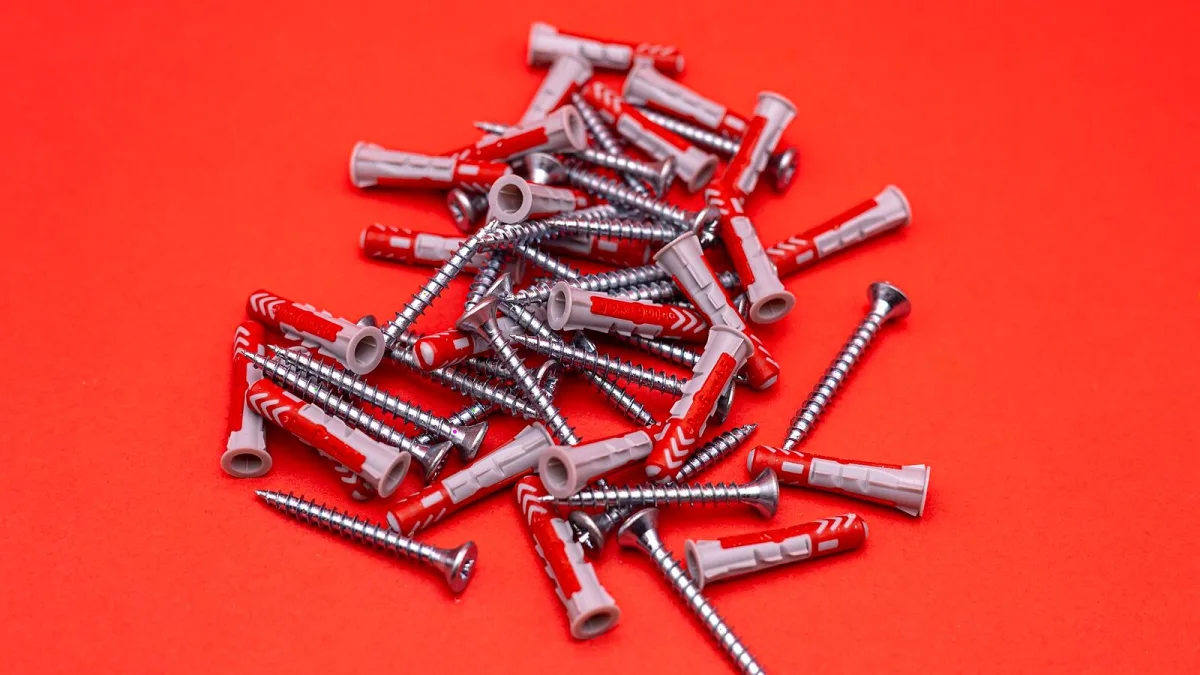
Drywall anchors have their place for genuinely light speakers, but plenty of installations end up in drywall purely because finding the stud felt like extra effort. It isn't — a stud finder costs very little and a proper fixing into structural timber or masonry is dramatically more reliable than any drywall anchor, however well rated.
Only Checking Static Weight, Not Leverage
A speaker's weight on the box isn't the whole load your bracket has to handle. A cabinet that projects well away from the wall creates real leverage on the fixing, and vibration and accidental knocks add further dynamic stress beyond the number printed on the packaging. That's why sensible guidance suggests rating your hardware at 1.5 to 2 times the speaker's actual weight, not exactly matching it.
Forcing the Wrong Screw Into a Threaded Insert
Speaker threaded inserts vary in thread pitch and diameter between manufacturers. Forcing a screw that's slightly wrong can strip the insert entirely, turning a simple fixing job into a much bigger repair. If the fit feels wrong, stop and check the speaker's specification before you force anything.
Blocking Rear Ports and Connectors
Rear-ported speakers need genuine clearance behind the cabinet to perform properly, and mounting one flat against a wall without checking that clearance will audibly hurt the bass response. It's also easy to accidentally block the connector panel itself, making future cable changes far more awkward than they need to be.
Letting the Cable Do a Job It Wasn't Meant For
A taut cable pulling at an angle puts constant, low-level stress on the speaker's connection point and, over time, on the bracket itself. Always leave slack and secure the cable run separately, so it's never the cable holding tension against the mount.
Skipping the Safety Screw "Because It Feels Solid Already"
Plenty of brackets include a secondary retention screw or safety catch that installers skip because the main fixing already feels secure. That secondary retention exists specifically for the scenario where something unexpected happens — a knock, a slipped clamp, gradual loosening. It takes thirty seconds and it's not optional.
Mounting a PA Cabinet on a Domestic Bracket
A bookshelf-speaker bracket and a professional PA wall mount are not interchangeable, whatever the weight rating on the box suggests. PA cabinets are heavier, project further and typically use an entirely different mounting interface — a 35mm pole cup rather than a threaded insert. Use the category of hardware actually designed for what you're hanging.
For a proper walkthrough of matching bracket type to speaker before you buy anything, our buyer's guide covers this properly, and our step-by-step installation guide is worth following in full once you've got the right hardware.
The Bottom Line
Every mistake buyers make with speaker wall hangers comes down to the same habit: treating a spec sheet, a convenient wall or a "close enough" fixing as good enough without actually checking it. Read the capacity properly, find real structural fixing points, and don't skip the parts of installation that feel unnecessary — they usually aren't.





Comments