


JBL PA Speaker article
Jbl Powered Pa Speakers: A Complete Guide
JBL PA speakers are professional workhorses trusted by venues, sound engineers and touring bands. Discover their reliability, features and which series fits your setup.

JBL PA speakers are everywhere—venues, festivals, churches, rehearsal rooms, school assemblies. They're not the most exciting topic, but they're genuinely reliable workhorses. A JBL PA speaker doesn't have ego or mystique. It's not trying to impress anyone. What it does is work dependably week after week, handle abuse without complaining, and deliver clear, even coverage across a room. That no-nonsense approach is precisely why JBL dominates professional audio rental and installation markets.
What Makes a JBL PA Speaker Different?
JBL is Harman International, an American audio giant with seventy years of experience building speakers. Their PA range isn't cutting-edge technology; it's proven engineering applied consistently. A JBL speaker today uses principles developed in the 1980s and refined through countless installations. That stability matters. When you're setting up a gig, you don't want experimental gear; you want something that works exactly like the last one you used.
JBL PA speakers are powered (amplifier built in) or passive (external amplifier required). Most modern setups use powered speakers because they're simpler—one cable to your mixer, and you've got sound. Passive speakers remain popular in large installations where centralised amplification makes sense.
JBL PA Speaker Lines
EON Series
The workhorse range. EON speakers span from compact 10-inch models (EON One, EON Compact) to larger setups. The EON One is a genuinely clever design—single powered speaker with built-in mixer, wireless mic input, and Bluetooth. Perfect for solo performers, small venues, or rehearsals. Larger EON models (EON615, EON712) handle medium to large rooms.
SRX Series
Professional-grade powered speakers for touring and permanent installations. More expensive, more sophisticated internals. SRX boxes are what you'll find in proper venues and festival setups. If you're buying for a serious venue, SRX is the answer.
PRX Series
Compact professional speakers combining genuine quality with portable size. PRX models are beloved by sound engineers who care about sound quality but need to travel. Not quite as powerful as SRX, but sound is genuinely good.
LSR Series
Small powered monitors for stages and studios. Low-profile design for unobtrusive placement. Less raw power, but remarkably clear sound for their size.
Why Venues and Sound Engineers Choose JBL
Reliability and Consistency
JBL speakers work the same way whether it's your first gig or your five-hundredth. No surprises, no failed components mid-show, no temperamental behaviour. That consistency builds trust. A sound engineer knows exactly what a JBL speaker will do because JBL has done it the same way for decades.
Build Quality and Durability
JBL PA speakers are engineered for road use. Handles get knocked about, cables get yanked, dust gets everywhere. JBL assumes this will happen and builds accordingly. The cabinets are robust; the internal components are commercial-grade. They survive years of touring and rental house abuse that would destroy consumer-grade speakers.
Even Frequency Response
JBL PA speakers aim for balanced sound across the frequency spectrum. They're not coloured or hyped. A vocal stays clear at high volume; drums punch without boom; bass stays tight. This flatness seems boring compared to hifi speakers, but in a live context, it's exactly right. You're not trying to impress; you're trying to be heard clearly.
Value and Affordability
JBL PA speakers are more affordable than equivalent Electro-Voice, d&b, or Line 6 equipment. You get professional-grade reliability at prices that don't require a second mortgage. This is why rental companies buy them in bulk—cost per setup is reasonable, reliability is proven, resale value holds up.
Key Features of Modern JBL PA Speakers
Powered Design
Amplifier is built in. Most JBL PA speakers come with at least 500 watts, often much more. No need for external amplifiers—just plug into your mixer or audio interface.
Mixing Controls
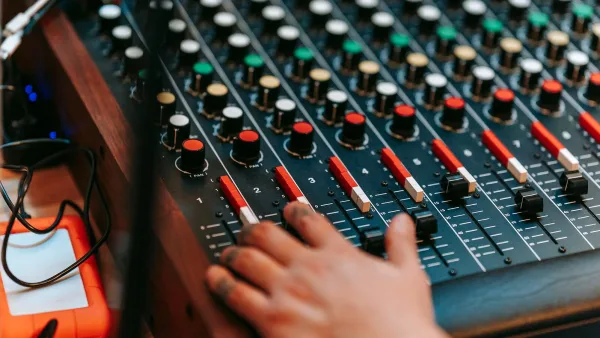
Many JBL models (especially EON) include onboard mixing capability: multiple inputs, volume controls, EQ. The EON One even has a built-in mixer for small performances where you don't want external gear.
Wireless Integration
Newer JBL models offer wireless capabilities—Bluetooth for audio playback, wireless microphone inputs on some models. This simplifies setup, especially for mobile performers or small venues.
Rugged Cabinet Design
Composite cabinets with reinforced corners, recessed handles for easy transport, durable grille cloth, protective edge banding. These speakers look and feel built to survive touring.
JBL PA Speakers Compared
| Series | Best For | Size / Power | Price Range |
|---|---|---|---|
| EON One | Solo performers, small venues, rehearsals | Single unit, 1000W | £400–£600 |
| EON600 series | Small to medium venues, bands | 12–15 inch, 1000–2000W per unit | £500–£1,200 |
| SRX Series | Professional venues, touring | 12–15 inch, 2000W+ | £1,500–£3,500 per unit |
| PRX Series | Portable professional setup | Compact, 1500–2000W | £1,000–£2,000 per unit |
Practical PA Speaker Setup
Small Venue or Rehearsal Room
One or two EON 615 or 712 speakers per side. This covers most small rooms (up to 200 people) adequately. Simple, portable, clear sound. Total investment: £1,000–£2,000.
Medium Venue or Small Festival
Pair of speakers per side (left and right), potentially with a centre speaker for vocal clarity. EON or SRX depending on budget and requirements. This setup handles 500–1,500 people. Investment: £3,000–£6,000+.
Large Venue or Touring Setup
Multiple speakers per side, separate monitors for stage, subwoofers for bass extension. Professional SRX or comparable systems. This is where sound design becomes serious engineering. Investment: £10,000+.
Practical Considerations
Room Acoustics
Even excellent speakers will sound mediocre in acoustically bad spaces. Parallel walls, concrete floors, hard ceilings cause reflections. JBL speakers are honest—they'll show you room problems rather than hide them. The fix isn't better speakers; it's room treatment.
Gain Structure and Levels
Set gain properly on your mixer and amplifier. Too much gain causes clipping; too little causes noise. A good sound engineer spends more time on gain structure than on anything else. JBL speakers will work fine with proper level setting, sound terrible if levels are wrong.
Placement and Angle
Speaker placement matters hugely. Speakers in corners amplify bass unnaturally. Speakers on high stands and angled toward the audience work better than sitting on the floor. For JBL PA speakers, following manufacturer guidance on placement pays dividends.
Maintenance and Care
JBL PA speakers are built for neglect, but they appreciate basic care. Keep them dry (water damage is the enemy). Protect the grille and drivers. Check cable connections regularly. Clean the fans if they're dusty. These are tough speakers, but they repay thoughtfulness with longer service life.
Conclusion
JBL PA speakers represent competent engineering at reasonable cost. They're not exciting, but they're reliable. For small venues, bands, rehearsal rooms, and mobile performers, JBL offers straightforward solutions that simply work. That no-nonsense approach has kept JBL dominant in professional audio for decades. If you need speakers that won't surprise you and won't let you down, JBL is the sensible choice.




Comments