


Fog Machine article
Fog Machine Explained: Features, Types and Tips
A fog machine creates visible mist by heating and vaporizing a special fluid. Understanding the types, specifications and safety matters makes the difference between a professional-looking effect and wasted money.
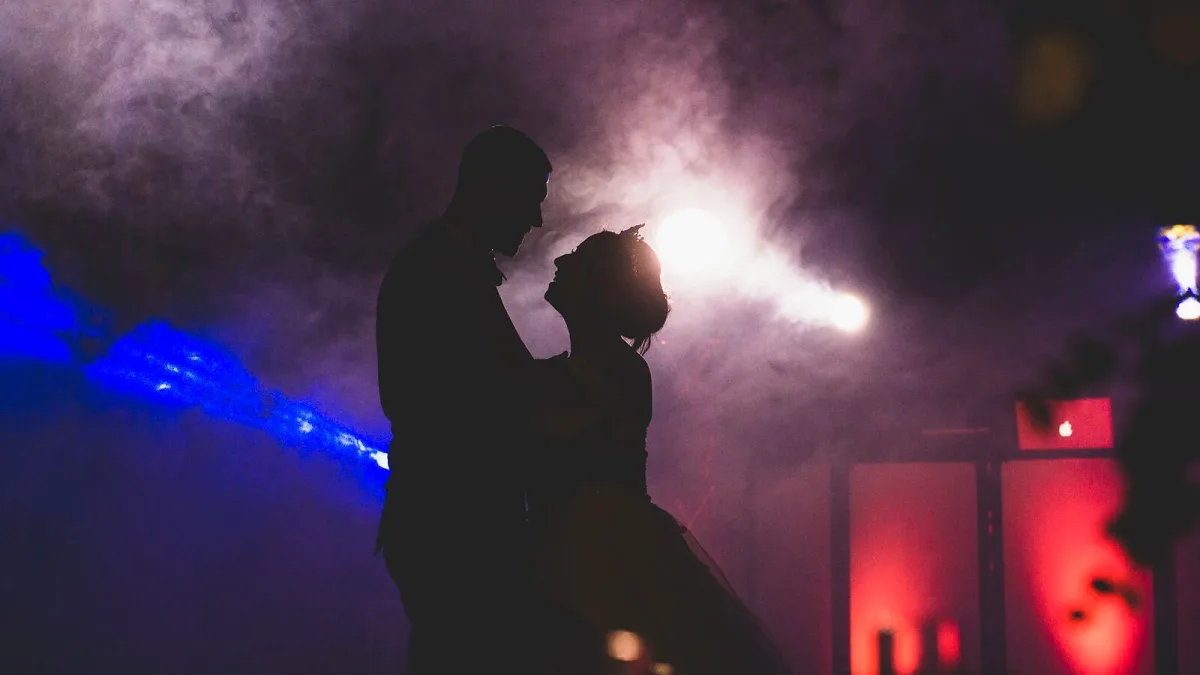
A fog machine creates that visible mist or cloud you see at concerts, clubs and theatres—but it's not actually smoke. The machine heats a specially formulated fluid until it vaporizes, and when the hot vapor hits cooler air, it condenses into tiny droplets you can see. Understanding how they work, what types exist and how to choose the right one for your venue makes all the difference between a professional-looking effect and a disappointing haze that either dissipates instantly or fills the room with unwanted residue.
How a fog machine works
The process is straightforward engineering. A pump draws the fluid from a reservoir and forces it through a heated metal exchanger—usually coils where the temperature climbs well above boiling. The fluid vaporizes into a gas, exits through a nozzle and meets the cooler air in the room. That temperature difference causes instant condensation: the vapor becomes a visible aerosol of microscopic water and glycol droplets. What you're seeing isn't steam, though it looks similar. The exact appearance depends on the heater temperature, the nozzle design, the ambient temperature, and how much the room's air conditioning is running.
The key point: a fog machine requires the right fluid and the right temperature to work reliably. Using the wrong fluid or running it too cold will produce either nothing or a thin wisp that disappears in seconds. That's why manufacturers specify exact fluid types—and why you should always follow their recommendation.
Types of fog machines
Not every fog machine does the same job, and choosing the wrong type for your venue will waste money and frustrate your crew.
Standard fog machines
These produce thick, visible bursts or billowing clouds. Choose them when you want the cloud itself to be part of the show—concert entrances, dramatic club moments, Halloween attractions. A standard machine's output and recovery time matter more than anything else. You need to know how long it takes between bursts and whether the heater will be ready for the next cue in time.
Haze machines
A hazer creates a fine, diffuse mist that hangs in the air, revealing light beams and lasers without substantially obscuring sightlines. It uses the same basic technology but produces much finer droplets in lower concentration, and it may include a fan to distribute the effect evenly. Hazers are essential for concert lighting, laser shows and film or video work where you need the audience to see the light rather than the cloud.
Low-lying fog machines
Standard machines above the floor don't necessarily produce fog that stays low; heat makes it rise. A low-lying machine uses active cooling—either chilled fluid or a separate cooling system—to keep the fog dense and ground-hugging. These are invaluable for theatre, first dances at weddings and dramatic stage entrances where the effect needs to pool at floor level.
Vertical fog machines
Designed for fast, powerful upward bursts, vertical machines are popular at DJ sets and concerts for beat drops and quick cues. They often have integrated LEDs and produce high-impact, short-duration effects. Ceiling clearance and safety around rigging and lighting are important considerations.
Key specifications to compare
When choosing a fog machine, output, warm-up time and control options matter most. Output varies by manufacturer—some list consumption in millilitres per second, others use proprietary ratings—so compare actual consumption figures rather than just wattage. A machine that consumes 30 ml/s will produce denser effects faster than one consuming 15 ml/s.
Warm-up time typically falls in the one-to-five-minute range; allow longer if the room is cold. Recovery time is equally important: a machine's heater may need to stabilize after a long burst before it's ready for the next cue.
Control options range from a simple manual button to full DMX synchronization with your lighting console or show-control software. For live bands, wireless remotes give you flexibility. For theatre productions running precise cues, DMX is invaluable.
Fluid compatibility and maintenance
Use only the fluid your machine's manufacturer recommends. Do not mix brands, do not add water or essential oils, and do not substitute antifreeze or mineral oil. Mixing fluids causes clogging, inconsistent output and permanent damage to the heater and pump.
Keep the machine clean by following the manufacturer's maintenance schedule. Glycol residue can build up inside the nozzle or heater, reducing output and eventually blocking the system entirely. A clogged machine is an expensive paperweight, so prevention is far easier than repair.
Placement and safety
Check that your venue permits fog—some venues have no objection, others ban it outright or restrict it to certain types. Ask the venue about smoke detectors and sprinkler systems; theatrical fog can trigger both. Always test the effect before the audience arrives, in the actual space and at the actual output level you'll use during the show.
Keep the hot nozzle away from curtains, lighting and people. Do not block exits. If spilled fluid reaches electrical connections, it can cause slipping hazards or damage. Wipe up spills immediately because glycol leaves a slippery film.
Monitor how performers and crew react. Theatrical fog is formulated for entertainment use but is not universally harmless. People with respiratory sensitivity or asthma may react even to approved products. Stop use if anyone reports discomfort and review the fluid's Safety Data Sheet. When in doubt, use the minimum practical output and allow good ventilation.
Using fog effectively in live music
Fog works best when paired with lighting. A dense burst emphasizes a musical moment—a drop, an entrance, a transition. A subtle haze throughout a set adds visual depth without overwhelming the stage. Backlighting, narrow-beam moving lights and lasers all benefit from fog because the droplets scatter the light, making the beams visible and three-dimensional.
Start with the lowest output that achieves the look you want. Too much fog obscures the band and irritates the audience; too little does nothing. Allow the machine to reach full temperature rather than repeatedly triggering the output control, which stresses the heater. With thoughtful placement, the right type and careful operation, a fog machine becomes an invisible part of the production—it enhances the show without drawing attention to itself.




Comments