


Floor Monitor article
The Ultimate Guide to Floor Stand for Computer Monitor
Floor monitors deliver personalised audio to performers during live shows. Discover how stage monitoring systems support confident musical performance.

Floor monitors represent essential equipment in live sound reinforcement, enabling performers to hear themselves accurately during live performances. These strategically positioned loudspeakers direct sound towards performers on stage, maintaining vocal and instrumental balance critical to confident performance delivery. This comprehensive guide explores floor monitors, their applications, technical specifications, and how to select appropriate monitors for various live performance scenarios.
Understanding Floor Monitors in Live Sound
Floor monitors, also called stage monitors or wedge monitors, are speaker systems positioned on stage facing performers. Unlike main sound reinforcement systems addressing the audience, floor monitors deliver personalised audio feed to performers—enabling vocalists to hear backing vocals, musicians to monitor rhythm sections, and drummers to lock into tempo references. Professional sound reinforcement systems incorporate sophisticated monitor mixing enabling each performer hearing tailored mixes supporting confident performance delivery.
Concert venues, theatre productions, corporate events, and touring musicians rely on quality floor monitors. Without effective monitoring, performers struggle maintaining vocal intonation, rhythmic precision, and ensemble cohesion—directly degrading performance quality.
Core Components of Floor Monitor Systems
Effective floor monitoring requires several integrated components:
- Powered floor monitor speakers receiving audio signals and amplifying them
- Monitor mixing console enabling independent mix creation for each stage position
- Wireless or wired microphone systems capturing performer voices and instruments
- Audio cables connecting microphones, console, and monitor speakers
- Monitoring headphones enabling sound engineers to hear monitor mixes
- Microphone placement techniques ensuring optimal signal capture
- Monitor speaker positioning directing sound towards performers effectively
These components collectively create the monitoring infrastructure supporting confident live performance.
Floor Monitor Speaker Technology
Quality floor monitors employ multiple driver designs for accurate cross-frequency reproduction. Full-range monitors combine woofers handling bass frequencies with midrange and tweeter drivers reproducing higher frequencies. This multi-driver approach enables performers hearing complete frequency spectrum necessary for confident vocal and instrumental performance.
Speaker enclosure design significantly affects monitoring performance. Wedge-shaped enclosures direct sound effectively towards performers whilst minimising feedback characteristics problematic with poorly designed monitors. Professional monitor design incorporates careful frequency response tuning ensuring vocal intelligibility and instrument clarity essential for performance support.
Powered vs. Unpowered Floor Monitors
| Monitor Type | Configuration | Advantages | Disadvantages | Best Applications |
|---|---|---|---|---|
| Powered Monitors | Built-in amplifier | Simplified setup, integrated amplification | Limited amplification power, less flexibility | Small venues, clubs, touring acts |
| Unpowered Monitors | External amplifier required | Flexible amplifier selection, professional configurations | Additional equipment complexity, higher cost | Professional touring, large venues |
| Wireless In-Ear Monitors | Bodypack transmitters | Freedom of movement, flexible positioning | Additional cost, frequency management | Large stages, festival performances |
Monitor Mixing Console Fundamentals
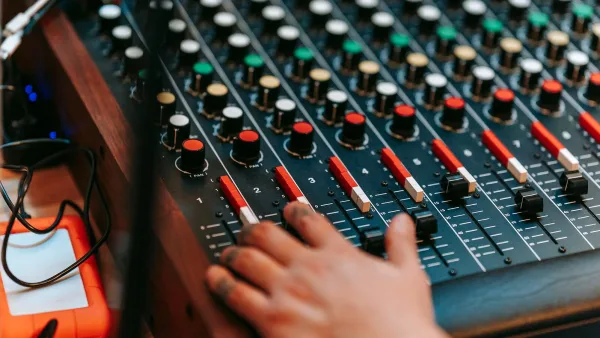
Dedicated monitor mixing consoles enable sound engineers creating independent audio mixes for different stage positions. Each console channel accepts performer inputs—vocals, instruments, drums—whilst faders control each performer's personal monitor level. This flexibility enables vocalists hearing more backing vocals, musicians tracking bass and drums, and drummers synchronising to click tracks.
Professional monitor consoles incorporate multiple auxiliary output channels, each delivering distinct mixes to different stage monitor speakers. This architecture enables sophisticated monitoring supporting complex live performance requirements.
Microphone Placement for Optimal Monitoring
Effective monitor systems require careful microphone placement capturing clean performer signals minimising feedback and extraneous noise. Close microphone placement reduces amplification requirements and feedback risk. Overhead condensers capture drums, large-diaphragm condensers record vocals, and instrument microphones isolate individual performers.
Professional sound engineers develop microphone techniques optimising signal capture enabling effective monitoring even in challenging acoustic environments.
Feedback Prevention and Control
Floor monitor systems face inherent feedback risk—loudspeaker output captured by nearby microphones creates regenerative feedback loops producing piercing whistles. Professional monitor systems employ multiple feedback prevention techniques:
- Careful microphone placement avoiding direct monitor speaker exposure
- Strategic monitor speaker positioning minimising microphone/speaker acoustic coupling
- Graphic equalizers removing problematic frequencies prone to feedback
- Compressors limiting excessive signal levels triggering feedback
- Proper gain structure throughout the audio chain
Experienced sound engineers minimise feedback through technique and equipment configuration rather than reactive correction.
In-Ear Monitoring Systems
Contemporary professional productions increasingly employ wireless in-ear monitoring systems positioning performers using personal earpieces rather than stage floor speakers. In-ear systems provide superior performer isolation, enable discrete mixing for each performer, and eliminate floor space requirements. However, in-ear systems require additional wireless hardware and frequency coordination.
Floor Monitor Selection Criteria
Begin by evaluating venue acoustics and performance requirements. Smaller venues with simple performances benefit from affordable powered monitor systems. Professional touring acts and large venues require sophisticated unpowered monitors enabling flexible amplification and complex mixing setups. Festival and outdoor performances often benefit from in-ear monitoring systems providing superior isolation.
Consider frequency response characteristics—quality monitors reproduce the full audio spectrum enabling performers hearing complete mix information. Avoid monitors with excessive bass response masking vocal clarity or insufficient treble reproduction limiting instrument definition.
Monitor System Setup and Configuration
Professional monitor setup requires systematic cable routing, gain structure optimisation, and feedback prevention configuration. Sound engineers typically establish baseline gain settings, configure monitor console routing, and conduct sound checks confirming adequate mix levels before performance.
Experienced monitor engineers develop rapid configuration routines enabling quick setup in time-constrained touring environments.
Training and Operator Expertise
Effective floor monitoring demands skilled sound operators understanding monitor philosophy and responsive mixing during live performances. Experienced monitor engineers adjust mixes responding to performer feedback, anticipate mix requirements for song changes, and prevent feedback whilst maintaining professional monitoring standards.
Conclusion
Floor monitors represent critical live sound infrastructure enabling confident performer delivery. From intimate club performances through large-scale concert productions, quality monitoring systems provide the acoustic feedback enabling musicians maintaining vocal intonation, rhythmic precision, and ensemble cohesion. Professional floor monitor selection, careful system configuration, and experienced operator technique combine creating the sophisticated monitoring supporting successful live musical performance. Investment in appropriate floor monitoring systems directly supports performance quality, audience experience, and professional presentation standards essential for successful live music events.





Comments