


Conference PA System article
Fender Passport Conference Pa System: A Complete Guide
A conference PA system amplifies speech and presentations for audience clarity. Understand components, setup, operation, and how to choose the right system for your space.

Presenting to an audience in a conference room, training session, or small event requires your voice to reach everyone clearly without distortion. A conference PA system amplifies your voice and presentations through speakers positioned for even coverage. Unlike stage PA systems designed for loud venues, a conference PA system prioritises clarity, intelligibility, and ease of use. Understanding what makes an effective system helps you choose gear that serves your needs without unnecessary complexity or cost.
What Is a Conference PA System?
A conference PA system is a compact sound reinforcement setup designed for indoor spaces—typically conference rooms, meeting halls, lecture theatres, or small performance venues. These systems combine a mixer, amplifier, and speakers into an integrated or semi-integrated package. The goal is simple: make sure everyone in the room hears clearly, without feedback or technical hassle.
Unlike full-scale concert PA systems requiring professional installation and operation, a conference PA system should be approachable for non-technical users. You should be able to unbox it, connect a microphone, and have working audio within minutes. This simplicity and portability are defining characteristics.
Essential Components
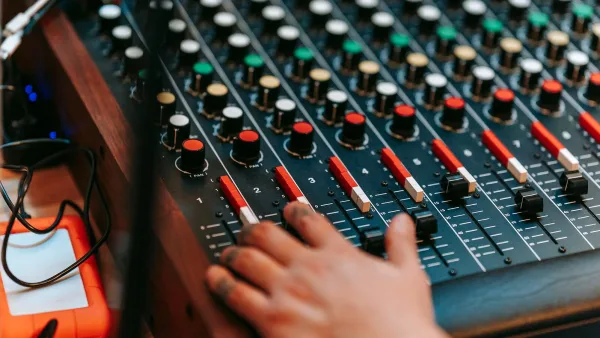
A typical conference PA system includes a small-format mixer with multiple input channels—at minimum, a microphone input and auxiliary inputs for laptops or media players. Two to four channels are common; more is rarely necessary for conference use.
The amplifier provides power to drive the speakers. Most conference PA systems integrate this into a single chassis with the mixer. Output power typically ranges from 50–200 watts—more than sufficient for a 50–300-person room. Doubling power doesn't double volume; you need quadruple power to add just 6 decibels.
Speakers are typically passive—meaning they require power from the amplifier—or occasionally active (powered speakers). Passive systems offer flexibility; active speakers integrate the amplifier and simplify cable runs but offer less flexibility. For most conference settings, one or two powered speakers positioned centrally or symmetrically cover the room adequately.
Microphone Options
A lavalier microphone—clipped to your lapel or collar—lets you present hands-free whilst moving freely around the room. A podium microphone is appropriate when the presenter is stationary. A handheld microphone gives flexible control but requires using one hand. Most conference PA systems accept any of these with appropriate adapters.
Wireless microphones add freedom but introduce complexity: batteries to charge, frequencies to manage if multiple wireless systems operate nearby, and occasional dropouts if RF (radio frequency) interference appears. For small rooms with stationary presenters, wired microphones offer simplicity and reliability.
Dynamic microphones—the typical choice for conference use—reject background noise and are durable. Condenser microphones are more sensitive but require phantom power. Most conference PA systems can supply phantom power, but it's worth confirming if you plan to use a condenser lavalier.
Room Acoustics and Speaker Placement
A conference room's acoustics dramatically affect sound quality. Hard surfaces—glass, concrete, polished wood—create reflections and reverberation that muddy speech. Carpeting, curtains, and soft furnishings absorb sound and improve clarity. If your room is acoustically harsh, a conference PA system struggles; good room acoustics make even modest systems sound excellent.
Speaker placement matters significantly. Ideally, position your main speaker(s) centrally or symmetrically in the room so everyone receives direct sound. Avoid placing speakers in room corners where reflections accumulate. A single well-positioned speaker often outperforms two poorly placed ones.
Distance from the audience affects optimal speaker selection. A small room (up to 100 people) needs gentle coverage; a large room needs more power and coverage area. Most conference PA systems work across a reasonable range, but matching speaker capability to room size prevents either excessive volume or insufficient coverage.
Connectivity and Operation
Modern conference PA systems include multiple input options: traditional XLR microphone inputs, 3.5mm auxiliary inputs for laptops, and sometimes USB or Bluetooth for wireless connectivity from smartphones or tablets. This flexibility lets you integrate multiple audio sources—the presenter's microphone, background music, video playback from a presentation laptop.
The mixer should have simple gain controls for each input and a master volume. You want to set levels once and leave them; complex settings with multiple menus encourage mistakes. An LED meter showing overall level helps operators avoid clipping and distortion.
Some modern systems include built-in Bluetooth so attendees can stream audio wirelessly. This is convenient but can introduce latency (delay) that's problematic for live presentations. Wired connections remain more reliable for live events.
Avoiding Feedback
Feedback—the squeal that erupts when microphone sound loops back into itself through speakers—is the most common PA problem. Prevention is straightforward: keep the microphone away from the speakers (point it at the audience, not toward the speakers), keep microphone level low but adequate, and keep speaker volume only as high as needed.
A basic two-channel mixer lets you set microphone level independently of speaker volume, giving you control over feedback risk. If your system integrates these controls or offers no independent level adjustment, you have less room to manoeuvre.
If feedback occurs, reduce microphone volume immediately, then increase speaker volume to compensate if needed. The feedback is your signal that something's wrong; it's telling you to fix the setup, not just turn things down.
Choosing Your Conference PA System
For small rooms (up to 50 people), a compact portable system—often called a "PA in a box"—works perfectly. These cost £200–600 and include everything needed. They're typically powered (single amplified speaker) and lightweight enough for one person to carry.
For medium rooms (50–150 people), a two-speaker active system with a separate mixer offers better coverage and flexibility. Expect to spend £600–1,500. These systems separate speaker placement from mixing location, improving sound coverage.
For larger venues or demanding applications, consider multi-speaker systems with zone control—different speakers for different areas of the room. This is complex enough that professional installation makes sense, and costs climb accordingly.
Conclusion
A conference PA system lets your voice reach everyone clearly and professionally. Choose one matching your typical room size and audience, ensure it accepts the microphones you prefer, and position speakers thoughtfully. With proper setup, your presentations will sound clear and authoritative. The technology should be invisible; what matters is that people hear you easily and focus on your message, not your audio equipment.





Comments