


Compact Mixer article
Compact Mixer: A Complete Guide
Compact mixers are essential for combining multiple audio sources in portable form. This guide covers types, features and choosing the right compact mixer.

Compact Mixer: A Complete Guide
A compact mixer is an essential piece of equipment for small-scale live performances, podcasting, and home recording. These portable mixing tools allow you to combine multiple audio sources and control levels, creating professional-quality mixes without complex large-format consoles. Whether you're performing live with minimal equipment or running a streaming setup, a compact mixer delivers functionality appropriate for modest productions.
Understanding Compact Mixers
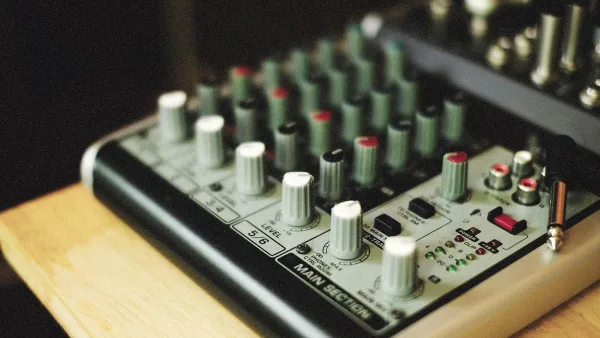
A compact mixer is a small-format mixing console combining multiple audio inputs into a single output with level control on each channel. They're called compact because they're portable and require minimal desk space. Compact mixers range from simple two-channel designs to more complex units offering ten or more channels with built-in effects and advanced routing.
The fundamental concept is straightforward: individual audio sources (microphones, instruments, music playback) connect to the mixer's input channels. The mixer combines these signals and outputs them to amplifiers, recording devices, or direct to audiences through loudspeakers. Each channel has independent volume control (fader), and most include tone shaping (EQ) for basic frequency adjustment.
Compact vs. Full-Size Mixing Consoles
Full-size mixing consoles are designed for permanent installation in recording studios or large live sound systems. They feature dozens of channels, extensive routing options, and professional-grade preamps. Compact mixers sacrifice some of this complexity for portability and affordability.
For small venues, home use, and portable setups, compact mixers offer everything you actually need. A full-size console is unnecessary overkill for a solo performer or a band playing small clubs. Compact mixers deliver quality mixing capability in packages you can carry in one hand.
Types of Compact Mixers
Unpowered compact mixers output audio to external amplifiers. You connect their output to powered speakers or power amplifiers. Powered compact mixers include built-in amplifiers, eliminating the need for external amplification. This all-in-one approach appeals to performers wanting portable complete sound systems.
Hybrid compact mixers combine both powered and unpowered channels, offering flexibility. You might use powered channels for main output to the audience whilst unpowered channels feed into additional systems.
Channel Count and Features
Compact mixers typically range from two to sixteen channels. A two-channel mixer handles basic needs—maybe a microphone and music playback. Four-channel mixers suit small band performances. Six to eight channels work well for podcasting, streaming, or small venue shows. More channels provide flexibility but increase size and cost.
Beyond channel count, consider features. Built-in reverb and effects add value. Phantom power supplies allow condenser microphones to operate. USB connectivity enables computer integration for recording and streaming. Quality preamps affect how clean your microphone audio sounds. These features justify higher prices on quality compact mixers.
Use Cases for Compact Mixers
Solo performers use compact mixers to combine vocals and instrumental backing tracks. Small bands use them to mix their own sound without hiring a sound engineer. Podcasters use compact mixers to handle multiple microphones and background music. Streamers use them to manage audio sources for online broadcasts. Home recordists use compact mixers to combine multiple instruments and microphones for recording sessions.
Any scenario requiring multiple audio sources mixed together benefits from a compact mixer. The portability means you can set up professional sound mixing almost anywhere.
Key Compact Mixer Features
Volume faders control level on each channel. Mute buttons silence channels without adjusting faders. Solo buttons let you hear individual channels in isolation. Pan controls spread audio across stereo field. Auxiliary sends route audio to external effects or monitor systems. Master level controls overall output.
Better compact mixers feature three-band EQ (bass, mid, treble) on every channel for tone shaping. Built-in effects like reverb and compression add production value. USB audio interfaces allow direct connection to computers for recording and streaming.
Choosing Your First Compact Mixer
| Need | Recommended Channels | Budget |
|---|---|---|
| Solo performer | 2-4 | £80-250 |
| Small band | 4-8 | £150-500 |
| Podcast/streaming | 4-6 | £200-400 |
| Live venue | 8-16 | £400-1500 |
Build Quality and Durability
Budget compact mixers use plastic enclosures and basic components. They work but don't survive years of touring and heavy use. Mid-range mixers use metal frames and quality components, surviving professional use. Professional-grade compact mixers use reinforced construction and premium components justifying higher prices.
For occasional use, budget mixers suffice. For regular performance or professional work, invest in better build quality. A mixer that fails mid-performance ruins your night—quality construction prevents this.
Compact Mixer Setup and Operation
Setup is straightforward: connect audio sources to input channels, adjust individual channel volumes to appropriate levels, then set the master volume. Start with all faders down, then bring channels up gradually to establish a good mix.
Most problems result from incorrect gain structure—setting the input level too hot (loud) so it distorts, or too quiet so you don't hear the channel. Learn proper gain staging and most mixing challenges disappear.
USB Audio Interfaces and Compact Mixers
Modern compact mixers often include USB audio interfaces, connecting directly to computers for recording or streaming. This eliminates separate audio interface purchases. You can stream to platforms like Twitch or record multi-track audio directly into your DAW (Digital Audio Workstation).
Troubleshooting Common Issues
Excessive hum typically indicates a grounding problem—check cable connections and ensure proper audio grounding. Feedback (high-pitched squeal) occurs when microphone audio recirculates through speakers. Reduce microphone level or reposition microphones away from speakers. Distorted audio means gain is set too high—reduce input levels.
Conclusion
A compact mixer is essential equipment for anyone mixing audio from multiple sources. Whether you're a performer, streamer, podcaster, or home recordist, a quality compact mixer transforms your production quality. Choose a mixer matching your channel and feature needs, invest in reasonable build quality, and learn proper gain staging and operation. A compact mixer that matches your needs will serve you well for years of performances and recordings.



Comments